
TL;DR
The University of the Philippines Manila has introduced a cadaver-based simulation laboratory to improve medical training. The facility aims to provide realistic surgical practice for students and professionals. This development signals a shift toward more hands-on, practical medical education in the country.
The University of the Philippines Manila has launched a new cadaver-based simulation laboratory, offering medical students and professionals a more realistic environment for surgical training. This development aims to improve practical skills and patient safety, making it a significant step forward for medical education in the Philippines.

Get health and wellness essentials delivered free with Prime
- Fast, free delivery on millions of items
- Prime Video, Amazon Music and more included
- Member-only deals all year
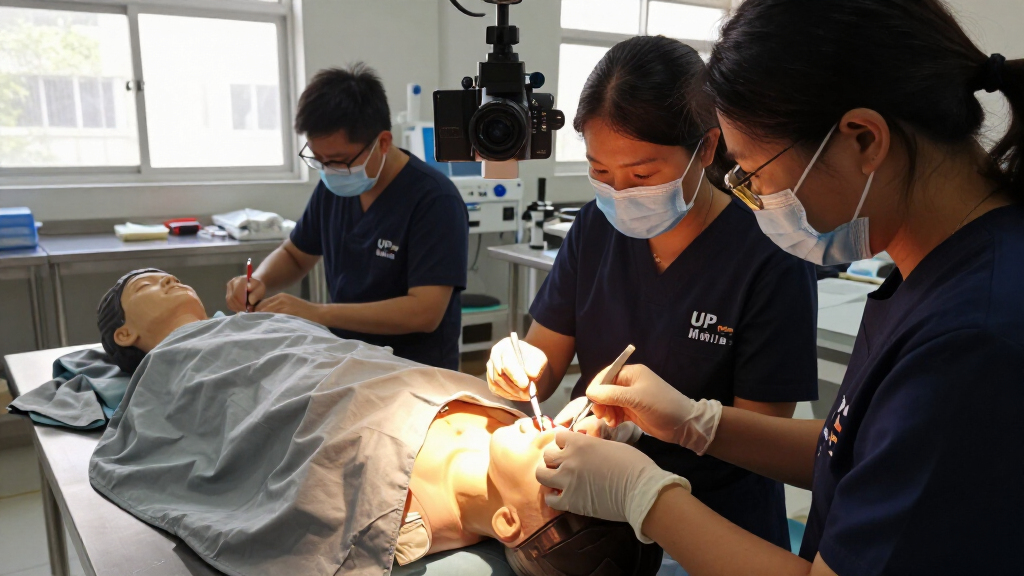
The new facility at UP Manila provides cadaver-based simulation training, allowing students to practice surgical procedures on human cadavers in a controlled environment. According to university officials, this approach offers a closer approximation to real-life surgery compared to traditional mannequin-based simulations.
Sources from UP Manila confirmed that the laboratory was officially opened in late February 2024 and is now operational, with plans to expand its use to include advanced surgical techniques and interdisciplinary training. The facility aims to serve both medical students and practicing surgeons seeking continuous professional development.
Medical educators and students interviewed by Philippine News Agency emphasized that cadaver-based training enhances tactile feedback and anatomical accuracy, which are critical for mastering complex procedures. The initiative aligns with global trends in medical education that prioritize hands-on, realistic training modules.
Impact on Medical Education and Surgical Training
This development is significant because it addresses a longstanding gap in medical training in the Philippines, where access to realistic surgical practice has been limited. By providing cadaver-based simulation, UP Manila is setting a new standard that could influence other institutions to adopt similar methods. Improved training directly correlates with better patient outcomes and increased safety in surgical procedures.
Furthermore, the facility supports the country’s goal of advancing healthcare quality by equipping future doctors with more precise skills before they perform surgeries on live patients. It also offers opportunities for research and innovation in surgical techniques, potentially benefiting the wider medical community.
Products Worth Considering

Garmin Forerunner 165 GPS Running Smartwatch, 43 mm, Black

Oura Ring 5 Smart Ring, Silver, Size 7

Levoit Vital 200S-P Smart Air Purifier for Large Rooms (Up to 1875 sq ft)
As an affiliate, we earn on qualifying purchases.
Growing Interest in Realistic Surgical Simulation in the Philippines
Over recent years, there has been increasing interest in adopting advanced simulation methods in Philippine medical schools, driven by global standards and the need for safer, more effective training. However, access to cadaver-based training has remained limited due to logistical, ethical, and funding challenges.
The opening of the UP Manila cadaver laboratory marks a notable development in this context, reflecting a broader trend toward more immersive and practical medical education. Prior to this, most training relied heavily on mannequins or virtual simulations, which, while useful, do not fully replicate the tactile and anatomical nuances of real human tissue.
The trend has garnered attention from educational authorities and healthcare stakeholders, with some speculating that it could inspire similar initiatives across the country. The trigger for this spike in coverage appears to be the recent announcement of UP Manila’s new facility, though details about the scale and funding are still emerging.
It is important to note that the full impact and accessibility of such facilities nationwide remain uncertain, and ongoing discussions about ethical considerations and resource allocation continue.
Unconfirmed Details About Facility Funding and Capacity
Details regarding the total funding for the cadaver laboratory and the planned capacity of the facility remain unclear. It is also not yet confirmed whether other medical schools in the Philippines will adopt similar setups in the near future.
Additionally, the extent of ethical protocols and donor programs supporting the cadaver use has not been publicly detailed, raising questions about long-term sustainability and regulatory oversight.
Next Steps for UP Manila and Broader Medical Training
UP Manila plans to expand the use of the cadaver laboratory, including advanced surgical techniques and interdisciplinary training modules. The university is also expected to evaluate the impact of the facility on student competencies and patient safety outcomes.
In the broader context, other medical schools and healthcare institutions may explore similar initiatives, especially if UP Manila’s experience demonstrates significant educational benefits. Policymakers and funding agencies are likely to monitor the program’s progress to inform future investments in medical training infrastructure.
Further developments are anticipated as more detailed information about the facility’s capacity, funding, and regulatory framework becomes available.
Key Questions
What is cadaver-based simulation training?
It is a form of medical training where students practice surgical procedures on human cadavers to gain realistic, tactile experience that closely mimics actual surgery.
Why is cadaver-based training important for medical students?
It enhances understanding of human anatomy, improves surgical skills, and increases confidence before performing procedures on live patients, thereby improving patient safety.
Is this type of training common in the Philippines?
Cadaver-based training is still relatively limited in the Philippines due to logistical and ethical challenges, but recent developments like UP Manila’s facility indicate growing interest and adoption.
How is the cadaver laboratory funded?
Details about the funding sources for the UP Manila cadaver lab have not been publicly disclosed. It is likely supported by university funds, government grants, or partnerships, but confirmation is pending.
Will other medical schools follow UP Manila’s example?
It remains to be seen, but the success of UP Manila’s initiative could encourage other institutions to develop similar facilities, especially if positive outcomes are demonstrated.
Source: local