
TL;DR

Get health and wellness essentials delivered free — and shop member deals
- Fast, free delivery on millions of items
- Access to Prime Big Deal Days deals on October 6–7
- Prime Video, Amazon Music and more included
Dietitian Linia Patel says weight regain is common after people stop GLP-1 weight-loss medication, and describes it as a physiological response rather than a personal failure. Her recommendations include building sustainable habits during treatment, following regular meal times and pairing protein with fiber.
Dietitian Linia Patel says people using GLP-1 weight-loss medication can prepare for possible weight regain after stopping by building sustainable habits during treatment, establishing regular meal times and eating meals that include protein and fiber. Her advice matters because, Patel told Fit&Well, weight regain happens to the majority of people who come off anti-obesity drugs.
Patel, a women’s health dietitian and performance nutritionist, told Fit&Well that some people stop taking the medications because they pay for them themselves and find them too expensive, reach a goal weight or do not want to remain on medication long term. The report gives no underlying study or detailed data for her estimate that around 50% do not stay on the drugs; it presents that figure as Patel’s account.
Her first recommendation is to use time on medication to develop behaviors that can continue after treatment. She suggests learning recipes and finding ways to manage stress or other emotions without relying on food. Patel says appetite, digestion and what she calls “food noise” are likely to change after stopping a GLP-1 drug, so planning for maintenance while taking it may help people adapt.
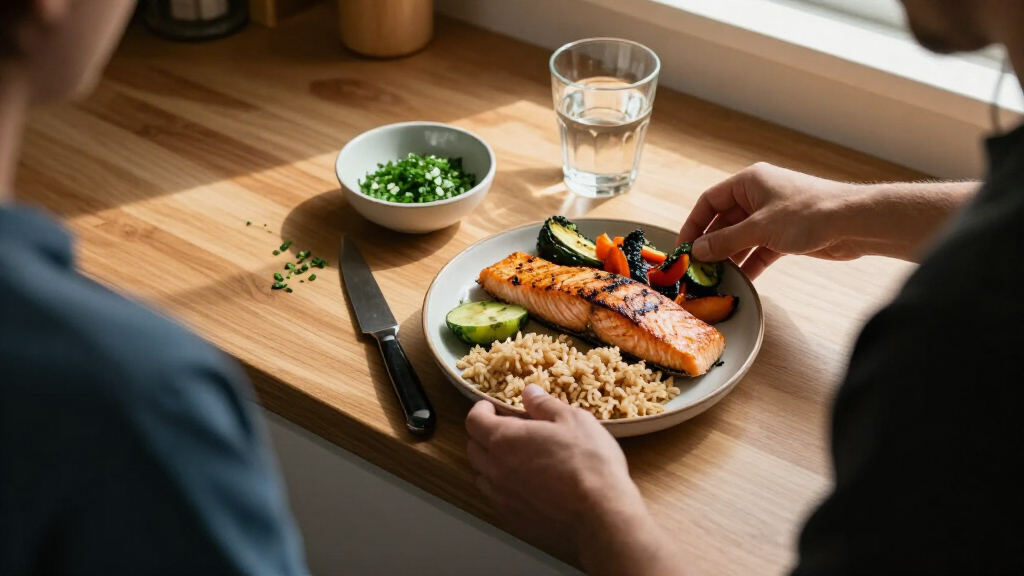
Patel also recommends setting regular times for breakfast, lunch and dinner instead of relying only on hunger cues, which may be reduced while taking the drugs. She calls this “pinned eating” and says soups or smoothies can be options when solid food is hard to manage. For meals, she advises combining protein and fiber, with examples including Greek yogurt with berries and chia seeds, chicken with vegetables and quinoa, and eggs with wholegrain toast and avocado.
Planning for Life After Treatment
The advice addresses a gap between losing weight while taking medication and maintaining that change if treatment ends. Patel says the drugs can reduce appetite, making it harder to eat enough, while stopping can bring changes in appetite and digestion. Building meal routines and food skills during treatment may give people practices to draw on later, although the report does not establish how effective these specific steps are for preventing regain.
Patel also stresses adequate nourishment. She links protein with preserving lean muscle during weight loss, particularly alongside resistance training, and says fiber can support digestion and help with constipation, a side effect she says is common. She warns against excluding whole food groups, citing clients with low iron or hair loss that she attributes to inadequate nourishment. Those examples are her clinical observations, not quantified findings in the report.
Why People Stop GLP-1 Drugs
Patel frames obesity as a chronic condition and says these medications are designed for long-term use. In her account to Fit&Well, however, people may stop because of cost, because they have reached their target weight or because they dislike taking medication over the long term. The report does not specify which GLP-1 drugs she means or provide a breakdown of discontinuation reasons.
The article focuses on practical suggestions from Patel and her book, Life After Weight-Loss Medication, which it says is out now. Its source material does not include clinical trial results comparing people who follow these habits with those who do not.
““Weight regain happens to the majority” of people who come off anti-obesity drugs.”
— Linia Patel, dietitian and performance nutritionist, speaking to Fit&Well
Evidence Behind the Recommendations
The Fit&Well report does not provide research citations for Patel’s estimate that around 50% of people do not stay on the medication, or for her statement that most people regain weight after stopping. It also does not quantify how much weight people may regain or explain how outcomes differ by medication, duration of treatment or individual circumstances. The article presents Patel’s professional advice and observations; it does not show that her three recommendations prevent regain for every person.
It is also unclear from the report how readers should adapt meal timing or nutrition to their own health needs, or what support is available for people who stop treatment because of cost or other barriers.
Maintenance After Medication
Patel’s immediate recommendation is to start building routines and practical food habits while taking GLP-1 medication, rather than waiting until treatment ends. Her book, Life After Weight-Loss Medication, is described by Fit&Well as available now. The report names no upcoming study, policy change or other scheduled development that would clarify how well these strategies work.
Anyone considering stopping or changing prescribed medication should discuss that decision with the clinician who manages their care. Patel’s suggestions are general dietary guidance as reported by Fit&Well; the article does not set out an individualized treatment plan.
Key Questions
What does Patel recommend doing while taking GLP-1 medication?
She recommends using the time to practice sustainable habits, such as learning recipes and developing ways to cope with stress without turning to food.
What is “pinned eating”?
Patel’s term for setting regular times for meals instead of waiting to feel hungry. She suggests three meals a day and says soups or smoothies may be easier options when appetite is low.
Why does Patel recommend protein and fiber?
She says protein can help preserve lean muscle during weight loss and fiber can support digestion. She suggests including both in balanced meals.
Does the report prove these habits prevent weight regain?
No. It reports Patel’s advice but does not provide comparative research showing that these steps prevent regain or work for everyone.
Source: rss
Fall Picks
fall essentials
As an affiliate, we earn on qualifying purchases.