
TL;DR

Get health and wellness essentials delivered free with Prime
- Fast, free delivery on millions of items
- Prime Video, Amazon Music and more included
- Member-only deals all year
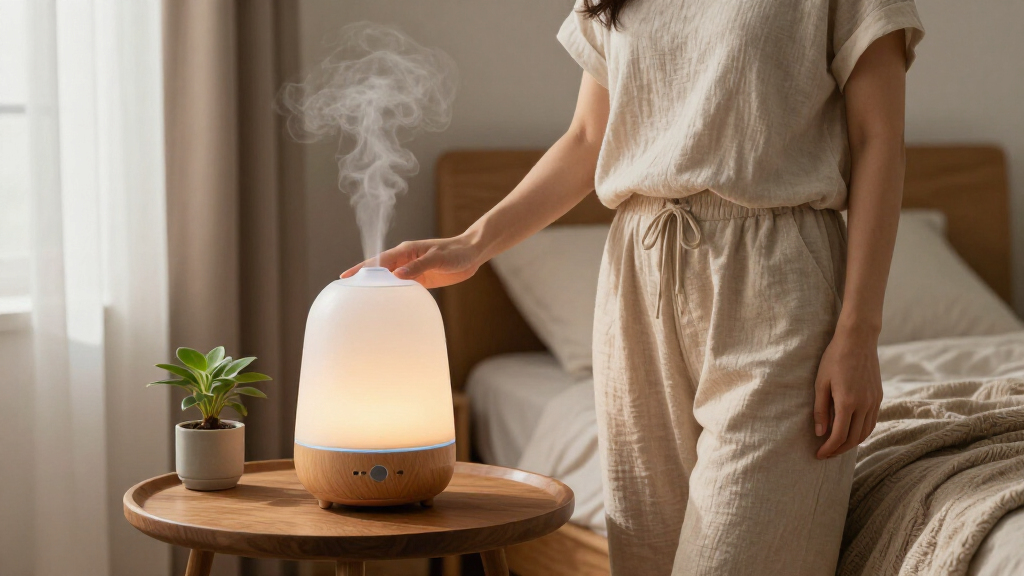
Aromatherapy diffusers disperse essential oils into the air, but different models use water, airflow, or heat and vary in scent strength, cleaning needs, and oil use. Choose a device that suits your room, follow its manual, start with a small amount for a limited time, and treat the scent as an atmosphere choice—not a replacement for medical care.
You turn on a diffuser, and a few minutes later your room smells like a citrus grove—or, if you used too much oil, like you spilled the whole bottle. That difference often comes down to the device, the room, and how you use it.
Aromatherapy diffusers disperse essential oils into the air so you can experience their scent. People commonly use them to create a pleasant atmosphere or support relaxation, but evidence for medical benefits is limited and mixed. In this guide, you’ll learn how the main types differ, what to check before buying, and how to use and clean a diffuser thoughtfully.
You’ll also find practical guidance for homes with children, pets, or people sensitive to fragrance. A diffuser can add a gentle background note to your evening routine; it should not replace medical care or serve as an air disinfectant.
A diffuser’s established function is to disperse scent; evidence does not show that it treats medical conditions.
Ultrasonic models use water and create cool mist; nebulizers use undiluted oil and can produce a stronger scent while using more oil.
Start with a modest amount, use a limited session, and follow the device and oil instructions.
Keep pets able to leave the room, store oils and devices away from children, and stop if anyone reacts to the scent.
Clean and dry a diffuser as its manufacturer directs, and never put oils in a humidifier unless its maker permits them.
What an aromatherapy diffuser does—and what it cannot promise
An aromatherapy diffuser disperses essential oils into the air so you can smell them; it does not automatically provide a proven health treatment. Depending on the model, it uses water and vibration, airflow, or heat to release fragrance. A diffuser’s reliable job is to add scent to a space, not diagnose or treat an illness.
That distinction matters when you see a bottle or device marketed with sweeping claims. Some small studies suggest that particular scents may affect mood or perceived stress, but those findings do not establish that diffusers treat anxiety, insomnia, infections, or other conditions. Research from aromatherapy and health fields varies by scent, study design, and person, so a calming experience for one person may feel overpowering to another.
Take Maya, who switches on a lavender-scented diffuser while reading after work. If the gentle smell helps her enjoy the room, that is a useful personal preference; it does not mean the device treats insomnia. If she has persistent sleep problems, she should talk with a qualified healthcare professional rather than relying on fragrance.
Natural does not mean risk-free. Oils can irritate skin or airways and may trigger headaches or allergic reactions. If a scent makes your throat feel scratchy, brings on a headache, or leaves you coughing, switch the device off, ventilate the room, and avoid further exposure. People with asthma or scent sensitivities may find airborne oils aggravating.
Think of a diffuser as a fragrance tool, not a medical device. A pleasant smell can shape the feel of a room without proving that the air is healthier or that a health condition has improved.
Products Worth Considering

Theragun Mini 3rd Generation Massage Gun – Travel Essential (Black)

BowFlex Results Series SelectTech Dumbbells

Hyperice Normatec Elite Wireless Compression Boots Recovery – Standard Size
As an affiliate, we earn on qualifying purchases.
Compare four diffuser types before you buy
Aromatherapy diffusers come in four common designs, and each creates a different balance of scent strength, oil use, and upkeep. Ultrasonic models mix water and vibrations to make a cool mist, while nebulizing models disperse undiluted oil without water. Evaporative devices move air across an oil-soaked pad, and heat-based models use warmth to release fragrance.
| Type | How it works | What to expect |
|---|---|---|
| Ultrasonic | Water and vibrations create a cool mist. | Adds humidity; the water reservoir needs regular cleaning. |
| Nebulizing | Air breaks undiluted oil into small droplets. | Often a stronger scent and greater oil use. |
| Evaporative | Air passes over a pad or filter holding oil. | Light scent components may fade first, changing the smell over time. |
| Heat-based | Warmth releases fragrance from oil. | Heat can alter some oil components; follow device and oil instructions. |
The differences have practical consequences beyond how each device works. An ultrasonic diffuser dilutes the oil in water and adds some moisture, which can make its scent feel gentler, but the reservoir becomes another surface to empty and clean. A nebulizer sends a more concentrated aroma into the room and avoids a water tank, but that intensity can be too much in a small space and the undiluted oil may run out sooner. Evaporative models are often simpler, though the scent may shift as some components evaporate faster than others. Heat-based designs can be straightforward, but warmth may change the oil’s aroma, so they are not simply a stronger version of a cool-mist device.
Imagine you want a light scent beside your desk for an hour. An ultrasonic model may suit you if you like a visible cool mist and do not mind wiping the reservoir. If you prefer a concentrated fragrance in a larger space, a nebulizer may deliver more intensity—but it can use oil faster, so it may not fit a tight budget or a scent-sensitive household. In either case, room size and ventilation affect how strong the scent feels; a device’s output is not a guarantee that the aroma will stay subtle.
A humidifier and a diffuser are not interchangeable. A humidifier is designed to add moisture; only put essential oils in one if its manufacturer explicitly allows them. For example, adding oil to an appliance that is not built for it can damage parts or interfere with operation. Check the manual before pouring anything into a tank.
Choose a diffuser that fits your room and routine
The right diffuser fits your room, scent preference, and willingness to clean it. Before buying, think about how much fragrance you want, whether you want added humidity, and whether a quiet motor or a timer matters to you. The most elaborate device is not automatically the most useful one; convenience features change how a diffuser operates, not the strength of the evidence for health benefits.
Picture a small bedroom where you read before bed. A compact ultrasonic model with a timer may be easier to live with than a powerful nebulizer, especially if you prefer a faint scent. In a shared living room, you may value adjustable output and an automatic shutoff more than app or voice controls. A portable unit can work for a desk, but check the maker’s directions for the size of space it is designed to serve.
Use this quick buying checklist to compare models before you order:
- Room and scent strength: Does the maker list a suitable room size, and can you adjust the output?
- Oil and water needs: Does the design use undiluted oil, a water reservoir, or replaceable pads?
- Cleaning: Can you reach the reservoir and follow the recommended cleaning routine without hassle?
- Controls: Would a timer, intermittent setting, or automatic shutoff make daily use easier?
- Instructions and labels: Are the device directions and oil ingredients clear?
These questions help expose the tradeoffs that product photos and feature lists can hide. A larger room may need more output, but higher output can make fragrance intense in a nearby seating area. A timer can limit exposure and reduce the chance that a unit runs longer than intended, while adjustable or intermittent settings give you more control than a single on/off mode. On the other hand, more settings do not guarantee a better experience if they make the device harder to operate or clean. Consider where the diffuser will sit, who shares the room, and whether you will realistically maintain it.
Marketing phrases such as “therapeutic grade” are not a universal guarantee of quality or clinical benefit. Read the ingredient list and use instructions instead of treating a label as proof. For instance, if two products make similar claims but only one clearly identifies its contents and gives usable directions, the clearer label gives you more helpful information.
Keep the purchase practical: if you dislike cleaning a water tank, choose a design whose maintenance you will actually do. A quiet, simple diffuser that fits your routine can be a better match than a feature-packed model that stays in its box.
Use essential oils lightly and stop if the scent bothers you
Start with less oil, run the diffuser for a limited time, and follow the device manual. No single number of drops or run time suits every model, room, or person, so treat the maker’s directions as your starting point. More fragrance does not necessarily make the experience better; a heavy scent can quickly feel cloying or irritating.
Try this simple process for a first use:
- Read the manual. Confirm what the device accepts, how to add oil, and how to set any timer.
- Begin modestly. Use a small amount within the maker’s directions instead of filling the room with fragrance at once.
- Run it briefly. Choose a limited session or intermittent setting if the device offers one.
- Check how the room feels. Notice whether the scent seems pleasant or causes a headache, cough, or irritation.
- Switch it off and air the room. Stop use if you or someone nearby reacts to the scent.
For example, if you’re testing a diffuser in a small home office, close the session before the aroma becomes the only thing you can smell. If the room feels stuffy, open a window or turn the unit off rather than adding more oil to “balance” the fragrance. Ventilation and modest use matter, and a pleasant scent does not mean the air has been purified or disinfected.
Using a short session first gives you a chance to notice how the fragrance affects you before it fills the room or lingers. That is especially useful in enclosed spaces, where scent can build up, and in shared rooms, where other people may have different sensitivities. If you want more fragrance, you can reassess later rather than starting at a level that is difficult to dial back once the room smells strongly.
Check the manual before leaving a diffuser on overnight. A timer and automatic shutoff can help, but continuous exposure may bother some people. Turning it off before sleep is a sensible choice if you do not know how you’ll respond or if the scent seems stronger in a closed bedroom.
Protect pets, children, and scent-sensitive people
Use extra care around pets, children, and anyone sensitive to fragrance, because reactions depend on the person or animal, the oil, its concentration, and exposure. Airborne oils are not suitable for every household, and an animal should be able to leave the room rather than being trapped near a running device. Ask a veterinarian about species-specific concerns and a healthcare professional about personal health questions.
Consider a home where a cat naps on the sofa beside an ultrasonic diffuser. Rather than placing the device near the cat or running it in a closed room, the owner can skip the diffuser around the pet, or use it only in a well-ventilated space the cat can leave. If an animal seems uncomfortable, stop the device and seek veterinary guidance rather than guessing at the cause.
For a household with a baby or young child, keep both oils and the diffuser out of reach. A child can spill a reservoir, touch concentrated oil, or become bothered by a fragrance adults barely notice. If you are pregnant, caring for an infant, or deciding whether to use oils around someone with a health condition, ask a qualified healthcare professional for advice specific to that situation.
People can experience fragrance differently. One person may find a citrus smell bright and cheerful, while another develops a headache within minutes. In a shared home, ask before switching on the device, keep sessions brief, and make it easy for anyone to leave the room. A diffuser is optional; nobody should have to stay in a scented space to accommodate it.
Do not rely on a diffuser to kill germs or prevent infection. Smelling fresh does not mean a room has been disinfected, so keep using appropriate cleaning and health practices for your needs.
Clean your diffuser so old oil does not build up
Regular cleaning helps prevent oil and water residue from building up inside a diffuser. The exact routine depends on the model, so follow the manufacturer’s instructions instead of using a one-size-fits-all recipe. This matters especially for ultrasonic devices, which hold water in a reservoir as they create mist.
Imagine you used a sweet orange oil on Monday and want to try a woodsy scent on Friday. If you leave old water and residue in the tank, the next session may smell muddled rather than clean. Empty and dry the reservoir as the manual directs, and clean the device at the interval the maker recommends. Do not mix cleaning products or guess at chemicals that might damage its surfaces.
A few habits can make maintenance easier:
- Check the reservoir after use and empty it as directed rather than letting old water sit.
- Wipe accessible surfaces using only the cleaning method recommended for that model.
- Replace pads or filters when the instructions say they are due.
- Store the unit dry if you will not use it for a while.
Cleaning also gives you a natural moment to check the device for residue or wear. If the mist output changes or the unit behaves differently, consult the manual before trying to repair it. A simple routine can keep the next session smelling like the oil you chose, not last week’s blend.
Frequently Asked Questions
Do aromatherapy diffusers work?
They work to disperse scent into the air. Whether a particular aroma helps you feel relaxed or improves your mood is personal, and research is limited and mixed. Medical benefits are not established, so do not use a diffuser in place of medical care.
Which type of diffuser should I buy?
Choose based on your room, desired scent strength, cleaning preferences, and whether you want added humidity. An ultrasonic model uses water and makes cool mist; a nebulizer uses undiluted oil and may produce a stronger scent. Compare the manufacturer’s directions before buying.
How many drops should I use, and how long should it run?
There is no single amount or run time for every diffuser. Follow your device’s instructions, start with less rather than more, and use a limited or intermittent session if available. Stop if the smell feels overpowering or causes discomfort.
Can I leave a diffuser on overnight?
Check the manual for your model, including its timer and automatic shutoff features. Even if a device can run for a long time, continuous fragrance may bother some people. Consider switching it off before bed, especially while you are still learning how you respond.
Are aromatherapy diffusers safe around pets?
Not always. Sensitivity depends on the animal, the oil, and the level of exposure. Keep the space ventilated and make sure your pet can leave; ask a veterinarian for guidance about your animal and any specific oil.
Can I put essential oils in any humidifier?
No. A humidifier is designed to add moisture, and oils may damage some models or affect their operation. Use essential oils only when the manufacturer explicitly says that the appliance is designed for them.
Do essential oils purify the air or kill germs?
A pleasant smell does not mean the air has been disinfected or purified. Do not rely on a diffuser for air sanitation or infection prevention; use appropriate cleaning and health practices for your needs.
Conclusion
Choose a diffuser for the scent and routine you actually want, then use it modestly. Check the manual, keep the room ventilated, and stop if the fragrance bothers you or anyone nearby. Treat the aroma as a small comfort—not a cure, a disinfectant, or a substitute for professional care.
A good session should leave a room gently scented, not leave you searching for an open window.