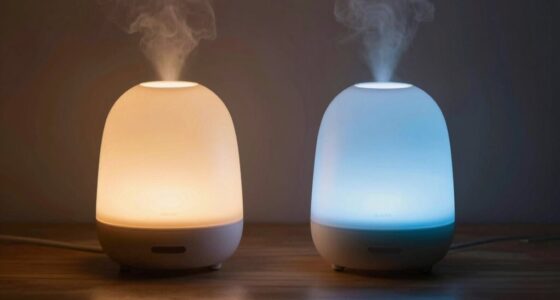

If your eyes feel strained after screen time, it’s vital to improve your night routine. Reduce blue light exposure by using filters or warm hues on devices and limit screen time before bed. Replace screens with relaxing activities like journaling or stretching, and practice the 20-20-20 rule to ease eye fatigue. Keep your environment softly lit and consistent to support better sleep and eye recovery. Keep going to discover more tips to help your eyes and sleep truly improve.

Get health and wellness essentials delivered free with Prime
- Fast, free delivery on millions of items
- Prime Video, Amazon Music and more included
- Member-only deals all year
Key Takeaways
- Implement a calming pre-sleep routine by replacing screen time with relaxing activities like reading or stretching.
- Use blue light filters or glasses and enable night mode to reduce eye strain before bed.
- Dim room lighting with warm, ambient lights to signal your body it’s time to wind down.
- Follow the 20-20-20 rule to give your eyes regular breaks and prevent overexposure.
- Maintain a consistent sleep schedule to support eye recovery and regulate your circadian rhythm.
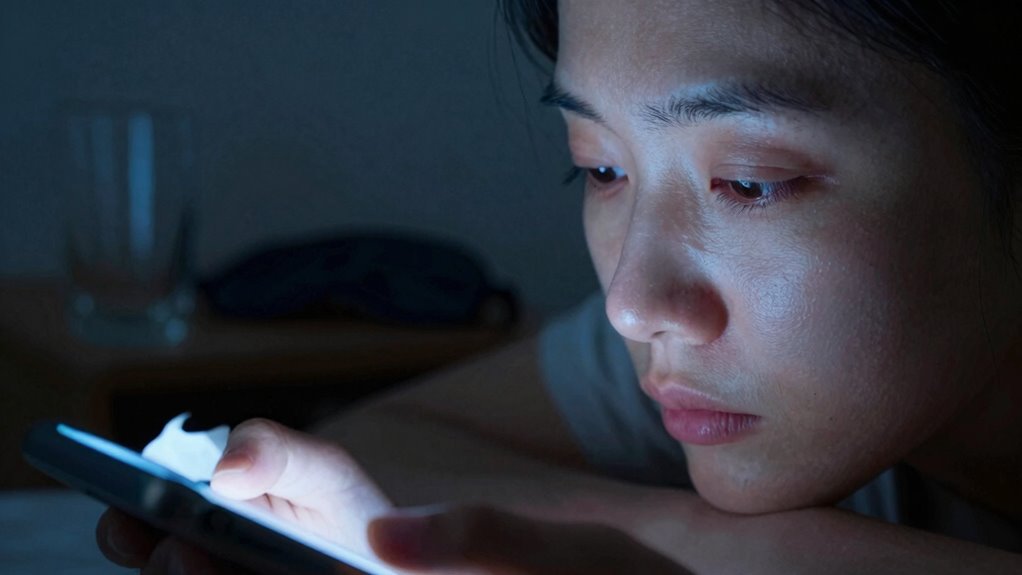
If you spend your evenings glued to screens, your eyes are probably feeling the strain long after you shut them off. That persistent fatigue isn’t just in your head—it’s caused by the constant exposure to blue light emitted by your devices. Blue light penetrates deep into your eyes, disrupting your natural sleep cycle and contributing to eye strain. You might notice headaches, blurred vision, or a gritty feeling in your eyes, all signs of overexposure. Without a proper night routine, you’re only exacerbating these issues, making it harder for your eyes to recover and your mind to unwind.
Blue light from screens causes eye strain, headaches, and disrupted sleep—establish a calming routine to protect your eyes tonight.
To give your eyes a break, start by reducing your exposure to blue light as bedtime approaches. Use blue light filters or glasses designed to block these wavelengths. Many devices now have night mode settings that shift the screen’s hue to warmer tones, which are gentler on your eyes and less likely to interfere with melatonin production. This simple change can significantly decrease eye strain and improve your sleep quality. Remember, the goal isn’t just to turn off screens abruptly but to gradually ease your eyes away from the digital glow.
Creating a calming pre-sleep routine is crucial. Instead of scrolling through social media or binge-watching shows, opt for activities that don’t involve screens. Reading a physical book, journaling, or practicing gentle stretches can help relax your eye muscles and prepare your mind for rest. When you do need to look at screens, do the 20-20-20 rule: every 20 minutes, look at something 20 feet away for at least 20 seconds. This simple habit gives your eye muscles a much-needed break and reduces discomfort caused by continuous focusing on close-up screens. Incorporating proper lighting can also enhance your sleep environment and further reduce eye strain. Additionally, paying attention to ambient lighting can help create a more soothing atmosphere conducive to winding down. Proper lighting not only reduces eye fatigue but can also positively influence your melatonin levels, aiding in better sleep.
Lighting in your environment also plays a role. Keep your room softly lit with warm, ambient light instead of harsh overhead lights or bright LEDs. Dimmer lighting not only reduces eye strain but also signals to your brain that it’s time to wind down. Avoid using screens in a completely dark room, as the contrast between your bright device and dark surroundings heightens eye fatigue. Additionally, microplastics in dust can settle on your screens and other surfaces, further contributing to eye irritation and indoor air quality concerns. Maintaining a clean and dust-free environment can support better eye health over time.
Finally, prioritize consistency in your night routine. Going to bed and waking up at the same time helps regulate your circadian rhythm, making it easier to fall asleep naturally and wake up refreshed. When your eyes aren’t constantly battling blue light and eye strain, you’ll find it easier to relax and get the restorative sleep your body needs. Your eyes will thank you, and so will your overall well-being. Establishing a regular routine can also help in reducing digital eye strain, which is increasingly common in our screen-heavy lifestyles.
As an affiliate, we earn on qualifying purchases.
Frequently Asked Questions
Can Blue Light Glasses Fully Protect My Eyes?
Blue light glasses can help reduce eye strain, but they won’t fully protect your eyes. Blue light filters block some harmful wavelengths, providing better eye protection during screen time. However, they don’t prevent digital eye strain or other issues caused by prolonged exposure. To truly protect your eyes, take regular breaks, follow the 20-20-20 rule, and maintain good screen habits alongside using blue light glasses for added relief.
How Long Before Bed Should I Stop Screen Time?
You should stop screen timing at least 30 to 60 minutes before bedtime to improve your sleep quality. This helps your eyes relax and your brain wind down, making it easier to fall asleep. Incorporate calming bedtime routines, like reading or gentle stretching, to replace screen time. Avoiding screens before bed also reduces blue light exposure, which can interfere with melatonin production and disrupt your sleep cycle.
Are There Specific Foods That Improve Eye Health at Night?
Sure, because your eyes just crave a midnight snack, right? Focus on nutrient-rich foods like carrots, spinach, and eggs, which are packed with eye-healthy nutrients like lutein and omega-3s. Snack on eye-healthy options like nuts or berries before bed to support your vision. These foods help protect your eyes from damage and keep them sharp, even after binge-watching your favorite shows into the early hours.
Does Screen Brightness Affect Eye Strain?
Yes, screen brightness directly affects eye strain. High brightness levels increase screen glare, making it harder to focus and causing your eyes to tire faster. To reduce strain, lower your screen brightness to match ambient lighting and take regular breaks. Additionally, stay hydrated to maintain eye hydration, which helps prevent dryness and discomfort. Adjusting brightness and managing glare are key to protecting your eyes during screen time.
Are There Exercises to Relieve Eye Fatigue After Screens?
Yes, there are exercises to relieve eye fatigue after screens. You can practice eye relaxation techniques like the 20-20-20 rule—look 20 feet away for 20 seconds—while gently blinking and massaging your temples. Incorporate a digital detox by taking breaks, closing your eyes, and focusing on distant objects. These habits refresh your eyes, reduce strain, and help you feel more comfortable after long screen time.
As an affiliate, we earn on qualifying purchases.
Conclusion
Did you know that the average person spends over 7 hours a day staring at screens? That constant exposure can strain your eyes and disrupt your sleep. To give your eyes a true break, establish a calming nighttime routine—like dimming lights and avoiding screens an hour before bed. Small changes can make a big difference in reducing eye fatigue and improving your overall sleep quality. Take care of your eyes tonight for a healthier tomorrow.
As an affiliate, we earn on qualifying purchases.
As an affiliate, we earn on qualifying purchases.
Columbus Day / Indigenous Peoples' Day Picks
long weekend sales
As an affiliate, we earn on qualifying purchases.