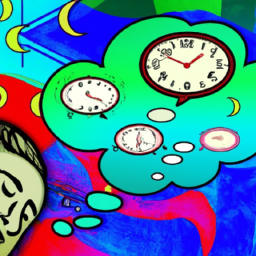

Your falling dreams feel terrifying because they tap into deep fears of losing control, safety, and stability stored in your subconscious. They often show up during times of stress, emotional upheaval, or unresolved worries, acting as symbols of insecurity or failure. These dreams alert you to internal fears you might not fully realize. Understanding why they happen can help you manage them better—stay with us to uncover more about what these dreams reveal.

Get health and wellness essentials delivered free with Prime
- Fast, free delivery on millions of items
- Prime Video, Amazon Music and more included
- Member-only deals all year
Key Takeaways
- Falling dreams often reflect deep-seated fears of losing control or safety, making them inherently terrifying.
- They symbolize subconscious anxieties about failure, insecurity, or instability, triggering intense emotional responses.
- The terror stems from the brain’s alarm system, signaling unresolved emotional issues needing attention.
- Heightened stress and emotional upheaval amplify these dreams, intensifying their frightening nature.
- Understanding their symbolic meaning can help reduce fear by addressing underlying emotional concerns.

Falling dreams can feel terrifying because your mind interprets the sensation of dropping as a threat, triggering a deep-seated fear response. When you wake up startled, it’s often because your subconscious has amplified that feeling of vulnerability. These dreams tend to strike at core fears about losing control or safety, which can be linked to nighttime anxiety that surfaces when you’re most vulnerable in sleep. Your brain, in its effort to process unresolved worries, may bring these fears to the surface through vivid, unsettling dreams. The sensation of falling, in particular, taps into primal instincts about danger and helplessness, making the experience all the more visceral and frightening.
Falling dreams reflect deep fears of losing control and safety, triggered by nighttime anxiety and unresolved worries.
As you drift into sleep, your subconscious fears can intensify, especially if you’re stressed or anxious during the day. Nighttime anxiety doesn’t just stay in the background; it manifests in your dreams, often as a feeling of plummeting or slipping away from stability. This subconscious fear acts like a mirror of your waking worries—fear of failure, insecurity, or losing control in your life—projected onto the dream landscape. When you experience a falling dream, it’s less about the actual act of falling and more about that inner feeling of losing grip. Your mind is using these dreams to confront or release those hidden fears, albeit in a way that feels overwhelmingly real. Recognizing the importance of dream symbolism can help you interpret these intense experiences more effectively.
You might notice that these dreams frequently occur during periods of heightened stress or emotional upheaval. That’s because your subconscious is more active, processing unresolved issues that you might not even be aware of consciously. Additionally, the process of interpreting dreams can help you understand what your subconscious is trying to communicate about your internal fears. The sensation of falling in your dreams becomes a symbol of the anxiety and fears lurking beneath your awareness. It’s your brain’s way of warning you that there’s something in your waking life you’re avoiding or that needs attention. These dreams serve as a reflection of your internal state, revealing how your subconscious fears influence your sleep. Additionally, understanding the role of recycled materials in gardening can help create a more calming environment that reduces nighttime stress. Recognizing the connection between your emotional state and your dreams can facilitate better emotional regulation.
Understanding why falling dreams feel so intense helps you see them as a message rather than just a random nightmare. They’re a reflection of your nighttime anxiety and subconscious fears, urging you to address underlying stressors. Recognizing that these dreams are rooted in deeper emotional issues can be the first step toward easing their frequency. Sometimes, sleep hygiene practices can make a significant difference in reducing the occurrence of these unsettling dreams by promoting a more relaxed sleep environment. When you confront your fears and manage your stress better during the day, you may find that these frightening visions of falling become less frequent and less disturbing. In the end, your dreams are trying to tell you something about what’s unresolved inside—you just need to listen.
dream interpretation book for falling dreams
As an affiliate, we earn on qualifying purchases.
As an affiliate, we earn on qualifying purchases.
Frequently Asked Questions
Can Falling Dreams Predict Future Events?
Falling dreams don’t predict future events, but they often reflect your subconscious fears or anxieties. You might experience lucid dreaming or sleep paralysis, which can make these dreams feel more intense or real. During lucid dreaming, you can control the experience, helping you understand your emotions better. Sleep paralysis, however, can cause terrifying sensations. Focus on calming techniques to reduce these dreams and explore what they reveal about your current mental state.
Do Falling Dreams Occur More in Certain Age Groups?
Ah, the timeless thrill of childhood fears manifesting as falling dreams—because who doesn’t love reliving those moments? You’re more likely to experience these dreams during childhood or adolescence, when sleep quality is often disrupted by growth spurts and curiosity. As you age, these dreams tend to fade, replaced by more sophisticated nightmares. So, the falling dream is simply a nostalgic reminder of innocence lost—or perhaps just poor sleep hygiene.
Are Falling Dreams Linked to Physical Health Issues?
Falling dreams can be linked to physical health issues, especially if you experience frequent episodes. Conditions like sleep paralysis or stress management problems can trigger these dreams, making them feel more intense and frightening. When your body is under stress or your sleep cycle is disrupted, you’re more prone to such dreams. Addressing sleep paralysis and practicing stress management techniques can help reduce the occurrence, making your sleep more peaceful.
How Common Are Falling Dreams Across Different Cultures?
Falling dreams are surprisingly common across many cultures, reflecting their universal symbolism of loss, fear, or insecurity. You’ll find these dreams in diverse societies, with varying interpretations rooted in cultural symbolism and dream interpretation. Whether seen as warnings or subconscious fears, their prevalence shows how your mind processes stress and vulnerability globally. You’re not alone in experiencing these unsettling dreams, which reveal shared human emotions regardless of cultural background.
Can Falling Dreams Be Intentionally Induced?
Yes, you can intentionally induce falling dreams through techniques like lucid dreaming practices. By practicing sleep paralysis awareness and visualization, you might trigger lucid states, allowing you to control your dreams, including falling sensations. Focus on relaxation and mental rehearsal before sleep. Keep in mind, however, that these methods require patience and consistency. With practice, you can explore your dream world and even turn frightening falling dreams into empowering experiences.
nighttime anxiety relief products
As an affiliate, we earn on qualifying purchases.
As an affiliate, we earn on qualifying purchases.
Conclusion
Remember, fear often has a purpose. Falling dreams feel terrifying because they tap into your deepest anxieties, reminding you to stay grounded and face your fears head-on. As the saying goes, “What doesn’t kill you makes you stronger.” Embrace these dreams as an opportunity to understand yourself better. When you confront what scares you in your sleep, you’re better prepared to handle life’s real challenges with courage and resilience.
sleep aid for stress and nightmares
As an affiliate, we earn on qualifying purchases.
As an affiliate, we earn on qualifying purchases.
As an affiliate, we earn on qualifying purchases.
Halloween Picks
halloween
As an affiliate, we earn on qualifying purchases.