Isochronic tones produce rhythmic, pulsating sounds that can help you shift into relaxed and focused states ideal for lucid dreaming. Binaural beats use two different frequencies in each ear to create a calming, immersive experience, subtly influencing your brainwaves. If you prefer a more intense, rhythmic approach, go with isochronic tones. For a gentle, meditative vibe, binaural beats may suit you better. Keep exploring to discover how each method can boost your lucid dreaming journey.
Key Takeaways
- Isochronic tones produce a rhythmic, intense pulse that strongly guides brainwave synchronization for lucid dreaming.
- Binaural beats offer a subtle, immersive experience ideal for calming the mind and enhancing relaxation before sleep.
- Isochronic tones are more effective for direct influence on brain states, while binaural beats promote gentle, sustained mental calmness.
- Preference depends on individual goals: stronger stimulation with isochronic tones or calming focus with binaural beats.
- Combining both techniques with good sleep hygiene can optimize chances of achieving lucid dreams.
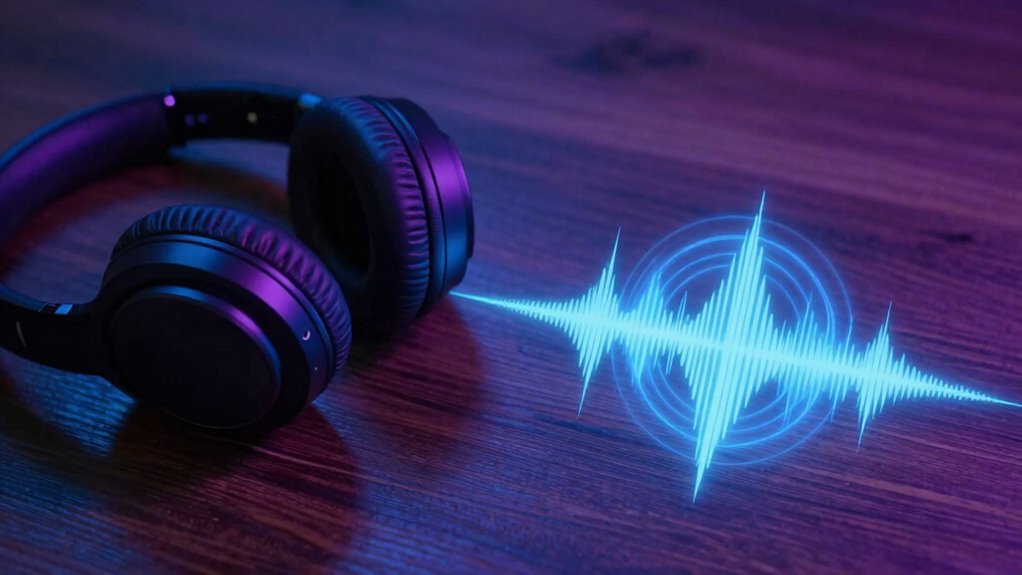
Many dream enthusiasts turn to sound stimulation methods like isochronic tones and binaural beats to enhance lucid dreaming, but understanding their differences can help you choose the right technique. Both approaches use auditory stimuli to influence brain activity, making them popular tools for sleep cycle manipulation and meditation techniques aimed at reaching a lucid state. If you’re trying to boost your chances of becoming aware within your dreams, knowing how these sounds work can make a significant difference.
Sound stimulation methods like isochronic tones and binaural beats can enhance lucid dreaming by influencing brain activity and sleep cycles.
Isochronic tones involve evenly spaced, pulsating sounds that turn on and off at specific frequencies. Because they produce a clear, rhythmic pulse, your brain can more easily synchronize with these beats. This synchronization helps in guiding your brain into particular states, such as the relaxed, focused state needed for lucid dreaming. Many find isochronic tones effective because they are straightforward, with a strong, consistent pattern that’s easy for your brain to latch onto, especially during meditation techniques designed to promote deeper relaxation and heightened awareness. When used consistently, they can also assist in sleep cycle modulation by encouraging *shifts* into REM sleep, where lucid dreaming is most likely to occur.
Binaural beats, on the other hand, require two slightly different sound frequencies played separately in each ear. Your brain perceives a third tone—called a beat—that’s the difference between the two frequencies. This method creates a subtle, immersive experience that can influence your brainwaves gently over time. Binaural beats are often preferred for their calming effect, making them particularly useful for meditation techniques aimed at relaxation and mental focus. When you listen to binaural beats before sleep, they can help slow your brainwaves into a state conducive to lucid dreaming, subtly altering your sleep cycle and increasing the likelihood of becoming conscious during dreaming.
Both sound stimulation techniques are valuable, but your choice depends on your preferences and goals. Isochronic tones are more intense and rhythmic, which might be better if you want a clear, more direct influence on brain activity. Binaural beats offer a more subtle, immersive experience, ideal for gentle relaxation and meditation. Additionally, because these techniques can influence brainwave entrainment, understanding their effects can help you optimize your practice. Whichever you choose, consistent use combined with good sleep hygiene can enhance your ability to manipulate your sleep cycle and enter lucid dreams more frequently. Ultimately, understanding how these sound techniques work empowers you to tailor your approach, making your journey into lucid dreaming more effective and enjoyable.
isochronic tones for lucid dreaming
As an affiliate, we earn on qualifying purchases.
As an affiliate, we earn on qualifying purchases.
Frequently Asked Questions
Can These Audio Techniques Replace Traditional Lucid Dreaming Practices?
These audio techniques can’t fully replace traditional lucid dreaming practices, but they can serve as helpful alternatives or supplements. You might find that listening to isochronic tones or binaural beats enhances your relaxation and focus, making it easier to achieve lucidity. However, traditional methods like dream journaling and reality checks remain essential for developing awareness. Combining both approaches offers a balanced strategy for improving your chances of lucid dreaming.
Are There Any Safety Concerns Using Isochronic Tones or Binaural Beats?
There are minimal health risks when using isochronic tones or binaural beats, but you should prioritize hearing safety. Avoid listening at excessively high volumes, as prolonged exposure can damage your hearing. If you experience headaches, dizziness, or discomfort, stop using the audio immediately. Always use these techniques in a safe environment and follow recommended durations to protect your health and hearing.
How Quickly Can I Expect to See Results From These Methods?
You might start noticing effects within a few days to a couple of weeks, but it varies based on your consistency and patience. Some users experience quicker results, while others need more time to enhance their lucid dreaming skills. The effectiveness timeline depends on how regularly you practice and stay committed. Be patient, as steady use and positive mindset greatly boost your chances of achieving lucid dreams with these methods.
Do Individual Differences Affect Effectiveness of These Audio Techniques?
Your personal susceptibility and auditory sensitivity can substantially influence how effective these audio techniques are for you. If you’re highly sensitive to sound, binaural beats might work better, as they require less intense stimulation. Conversely, if you have a strong personal susceptibility to these methods, you may experience quicker or more vivid results. Remember, individual differences mean you might need to experiment to find what works best for you.
Can These Sounds Help With Other Sleep or Meditation Issues?
Sound therapy can be quite beneficial beyond lucid dreaming, especially for sleep enhancement and meditation. These calming sounds may help you ease into restful states, reduce anxiety, and improve overall sleep quality. Using isochronic tones or binaural beats regularly can create a soothing environment, making it easier to unwind and reach a peaceful state. Incorporating these audio techniques into your routine might just be the gentle nudge your mind needs for better rest and relaxation.
As an affiliate, we earn on qualifying purchases.
Conclusion
Ultimately, whether isochronic tones or binaural beats guide you into lucid dreaming, the choice hinges on your personal preference and response. Like two roads diverging in a wood, each offers a unique journey into your subconscious. Remember, the key isn’t just the method but your consistency and belief. So, pick your path with confidence—because the dreamscape awaits, and it’s yours to explore. The only limit is the one you set for yourself.
brainwave entrainment audio for lucid dreaming
As an affiliate, we earn on qualifying purchases.
As an affiliate, we earn on qualifying purchases.
As an affiliate, we earn on qualifying purchases.