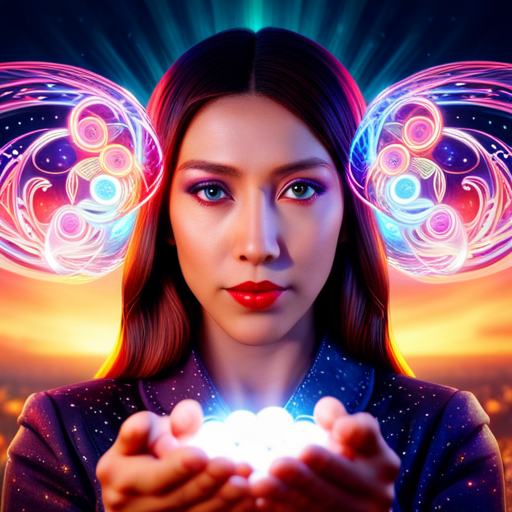

Jungian archetypes like the Shadow, Anima, and other symbols in your dreams reveal universal themes and parts of your unconscious mind. The Shadow shows hidden fears and darker aspects you might deny, while the Anima represents your inner feminine qualities. Recognizing these figures helps you understand yourself better and promotes growth. If you explore these symbols further, you’ll gain deeper insights into your inner world and personal transformation.
Key Takeaways
- Jungian archetypes like the Shadow and Anima represent universal symbols of hidden fears, desires, and inner qualities in dreams.
- The Shadow embodies denied or repressed aspects, often appearing as threatening figures, encouraging self-awareness.
- The Anima and Animus symbolize feminine and masculine qualities within individuals, influencing self-perception and relationships.
- Recognizing common dream symbols helps access the collective unconscious, revealing deeper universal themes and personal growth opportunities.
- Understanding these archetypes guides self-integration, promoting emotional balance and a more authentic, whole self.

Have you ever wondered why certain symbols, characters, or themes recur across different cultures and stories? These universal motifs often appear in dreams and myths, pointing to something deeper within your unconscious mind. When you explore dream interpretation through the lens of Jungian archetypes, you start to see how these recurring symbols reveal shared human experiences. Jung believed that these archetypes are universal symbols stored in the collective unconscious, a part of your mind that transcends individual experience and connects all of humanity. Recognizing these symbols in your dreams can offer profound insights into your inner life, revealing hidden fears, desires, and unresolved conflicts.
Universal symbols in dreams reveal shared human experiences and inner truths through Jungian archetypes.
One of the most common archetypes you might encounter in your dreams is the Shadow. This represents the parts of yourself you tend to deny or hide—those darker, unconscious aspects. When the Shadow appears, it often manifests as threatening figures, villains, or even your own hidden impulses. Dream interpretation of the Shadow can help you confront these suppressed elements, leading to greater self-awareness and integration. Instead of fearing these symbols, see them as guides pointing toward areas of personal growth. The Shadow’s presence in your dreams is a reminder that acknowledging your darker side is essential for wholeness.
Another powerful archetype you’ll often encounter is the Anima or Animus, representing the feminine and masculine aspects within you. In dreams, the Anima might appear as a nurturing woman or a mysterious figure embodying emotion and intuition, while the Animus might manifest as a confident male or a symbol of rationality and strength. Recognizing these symbols helps you understand how your unconscious mind balances different qualities within yourself. Dream interpretation of the Anima and Animus can reveal how you relate to your own inner gender identity and how these aspects influence your interactions and self-perception.
Beyond these, other common dream symbols include the Self, which signifies wholeness and integration, and various mythic figures that embody universal themes of transformation and renewal. When you pay close attention to these symbols in your dreams, you tap into the collective unconscious, gaining insights that are both personal and universal. By understanding the archetypes that appear in your dreams, you can better navigate your inner world, fostering growth and self-discovery. The symbols your unconscious mind presents are not random; they are meaningful messages waiting to be decoded, guiding you toward a more authentic and balanced self.

Bible As Dream: A Jungian Interpretation
As an affiliate, we earn on qualifying purchases.
As an affiliate, we earn on qualifying purchases.
Frequently Asked Questions
How Do I Identify My Personal Archetypes in Dreams?
To identify your personal archetypes in dreams, start a dream journal to track recurring symbols and themes. Pay attention to characters and situations that evoke strong emotions or resonate with certain traits. Notice if these elements mirror archetype traits like vulnerability, nurturing, or rebellion. Over time, you’ll recognize patterns that reveal your dominant archetypes, helping you understand your inner world and personal growth opportunities.
Can Archetypes Change Over a Lifetime?
Yes, archetypes can change over your lifetime. As you experience personal growth and transformation, your understanding of yourself evolves, leading to archetype evolution. You might notice shifts in how certain symbols or themes appear in your dreams or behaviors. This lifetime transformation reflects your changing inner landscape, helping you integrate new aspects of yourself and adapt to life’s phases. Embrace these changes as part of your ongoing journey.
What Is the Significance of Recurring Dream Symbols?
Studies show that 60% of people experience recurring dream symbols, highlighting their significance. Recurring symbols often hold personal importance, revealing ongoing concerns or desires. Their symbolic interpretation can change with your life, influenced by cultural influences and experiences. Recognizing these patterns helps you understand yourself better, offering insight into unresolved conflicts or aspirations. Pay attention to these symbols—they’re your mind’s way of communicating essential messages over time.
How Do Archetypes Influence Everyday Behavior?
Archetypes deeply influence your everyday behavior through archetype symbolism, which shapes how you see yourself and interact with others. These subconscious patterns guide your reactions, choices, and attitudes without you realizing it. By recognizing these influences, you can better understand your instincts and motivations, allowing you to make more conscious decisions. Embracing these archetypal patterns helps you navigate life with greater awareness and authenticity.
Are Some Archetypes Considered More Universal Than Others?
Some archetypes are indeed more universal than others, though cultural variations influence their expressions. You’ll find that certain symbols, like the Hero or Mother, resonate across many societies, suggesting archetype universality. However, cultures shape how these archetypes manifest, making some appear more prominent or different depending on context. This blend of universality and cultural variation shows that while core themes remain consistent, their specific forms adapt worldwide.

The Shadow Work Journal: A Guide to Integrate and Transcend Your Shadows
As an affiliate, we earn on qualifying purchases.
As an affiliate, we earn on qualifying purchases.
Conclusion
Understanding Jungian archetypes like the shadow and anima helps you uncover deeper layers of your subconscious. Did you know that nearly 65% of people report recurring dream symbols tied to these archetypes? By recognizing these symbols, you can gain insight into your inner world and personal growth. Embrace these symbols as guides—your subconscious is speaking, and now you’re better equipped to listen and understand what it’s telling you.

Divine Feminine Energy: Unlocking the Power of the Goddess Within, Connecting with Your Spirit Guides, and Accessing Higher Consciousness through Meditation and Prayer (Spiritual Gods and Goddesses)
As an affiliate, we earn on qualifying purchases.
As an affiliate, we earn on qualifying purchases.

Journey of Something: Dream Tarot Cards – Spiritual & Intuitive, Readers 78-Card Deck, Major & Minor Arcana Illustrations, Self-Discovery & Guidance
INTRICATELY ILLUSTRATED CARDS: Each card is a work of art. Includes 78 beautifully detailed tarot cards covering both…
As an affiliate, we earn on qualifying purchases.
As an affiliate, we earn on qualifying purchases.