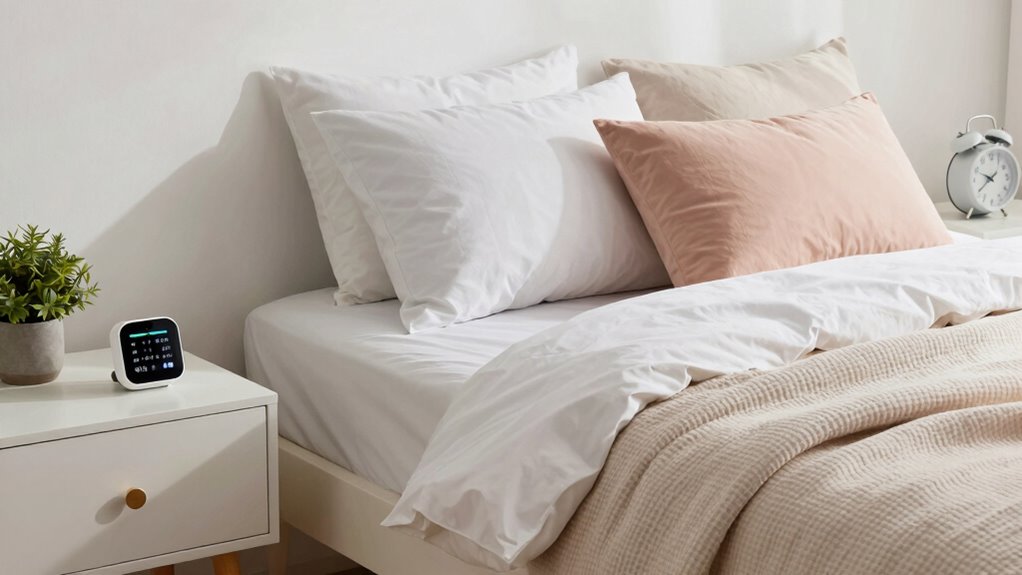

Your sleep products need a replacement schedule to stay supportive, hygienic, and comfortable. Over time, mattresses and pillows degrade, losing their ability to provide proper support, which can cause discomfort and health issues. Memory foam specifically softens and develops indentations, while pillows can trap allergens. Regularly replacing these items keeps your sleep environment clean and guarantees ideal rest. Staying aware of how your sleep products wear out will help you sleep better — explore further to learn more.

Get health and wellness essentials delivered free with Prime
- Fast, free delivery on millions of items
- Prime Video, Amazon Music and more included
- Member-only deals all year
Key Takeaways
- Sleep products degrade over time, reducing support and comfort, so regular replacement is essential for optimal rest.
- Memory foam mattresses and pillows lose shape and responsiveness, impacting alignment and pressure relief.
- Pillows can harbor allergens and dust mites, making timely replacement vital for hygiene and respiratory health.
- Foam can absorb odors and develop mold, indicating the need for replacement to maintain a healthy sleep environment.
- Establishing a replacement schedule prevents discomfort, supports better sleep quality, and reduces health risks from material deterioration.
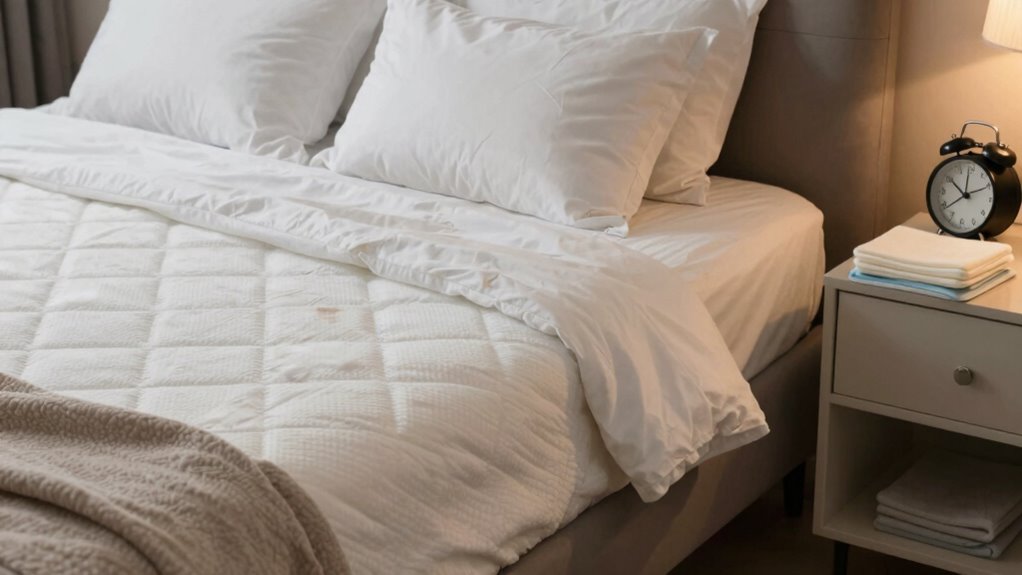
While you might replace your mattress or pillows only when they look worn out, these sleep products actually need a regular replacement schedule to guarantee you get the best rest. Over time, even the most durable sleep essentials lose their ability to support and comfort you. For example, memory foam mattresses and pillows, known for their contouring support, degrade gradually. Memory foam tends to soften and lose its shape, which diminishes its ability to relieve pressure points and maintain proper spinal alignment. If you notice your mattress or pillow sagging or no longer providing the support you need, it’s a sign it’s time for a replacement.
Memory foam beds and pillows soften and lose support over time, signaling it’s time for a replacement.
Pillow hygiene is equally important. Pillows, including those made of memory foam, can harbor dust mites, bacteria, and allergens that accumulate from regular use. Even with regular washing, the inner fill or foam can deteriorate, leading to a less hygienic sleep environment. This buildup not only affects hygiene but can also cause allergies or respiratory issues, disrupting your sleep quality. Replacing pillows periodically ensures you’re not sleeping on a surface that’s become a breeding ground for germs. It’s recommended to replace pillows every one to two years, especially if you notice a persistent odor or if they no longer feel comfortable.
Memory foam, in particular, requires special attention. While it’s resistant to dust mites and allergens, it still suffers from wear and tear. Over time, the foam can develop permanent indentations or become less responsive, which translates into less support for your neck and back. Additionally, memory foam can absorb sweat and oils from your skin, leading to odors and potential mold growth if not replaced or properly cleaned. Regularly replacing memory foam pillows and mattresses not only enhances your comfort but also promotes better pillow hygiene, reducing health risks associated with prolonged exposure to allergens or bacteria. Recognizing signs of material degradation can help you determine when it’s time for a replacement. Implementing a replacement schedule for your sleep products is an effective way to maintain a healthy sleep environment and prevent supportive sleep surfaces from losing their efficacy over time. Staying informed about material wear and tear can further help you identify when it’s time for a replacement and ensure you’re consistently enjoying supportive sleep. Moreover, staying informed about cloud service vulnerabilities can help you better understand the importance of timely replacements and maintenance in various aspects of life.
memory foam mattress replacement
As an affiliate, we earn on qualifying purchases.
As an affiliate, we earn on qualifying purchases.
Frequently Asked Questions
How Often Should I Replace My Mattress?
You should replace your mattress every 7 to 10 years to maintain good sleep hygiene and support proper mattress maintenance. Over time, mattresses lose their shape, comfort, and support, which can lead to poor sleep quality and discomfort. Regularly inspecting your mattress for sagging or stains helps identify when it’s time for a new one. Upgrading guarantees you continue enjoying restful sleep and proper back support.
Can Worn-Out Pillows Affect My Sleep Quality?
Worn-out pillows are like tired guardians failing to cradle your head properly, disrupting your sleep hygiene. They can harbor dust, allergens, and bacteria, affecting pillow hygiene and your overall sleep quality. When your pillow loses its fluff, it’s harder to get restful sleep, leaving you tired and unrested. Replacing old pillows regularly keeps your sleep environment fresh and supportive, ensuring you wake up feeling refreshed and ready for the day.
What Signs Indicate My Sleep Products Need Replacing?
If your sleep products show signs like sagging, persistent stains, or an unpleasant odor, it’s time to replace them. These signs can disrupt your sleep hygiene and compromise bedding maintenance. Worn-out pillows or mattresses no longer support your body properly, leading to discomfort and lower sleep quality. Regularly inspecting your sleep products guarantees you wake up refreshed. Prioritize timely replacements to maintain ideal sleep conditions and overall health.
Are Memory Foam Mattresses More Durable Than Innerspring?
You might be surprised to learn that memory foam mattresses often outlast innerspring ones in durability. While innerspring beds can sag and lose support sooner, memory foam molds to your body, maintaining its shape longer. However, quality matters: high-density memory foam tends to be more durable. So, if you’re seeking longevity, memory foam could be the smarter choice, but always check the construction and materials for lasting support.
How Do I Properly Dispose of Old Sleep Products?
You should eco-friendly dispose of your old sleep products by exploring recycling options in your area. Many mattresses and pillows can be recycled, reducing waste and environmental impact. Check with local recycling centers or mattress retailers who often offer take-back programs. Avoid throwing them in the trash, as this harms the environment. Proper disposal guarantees you’re responsible while giving your sleep products a second life through sustainable methods.
hypoallergenic pillow replacement
As an affiliate, we earn on qualifying purchases.
As an affiliate, we earn on qualifying purchases.
Conclusion
Remember, your sleep products aren’t meant to last forever. If you ignore their wear and tear, it could quietly sabotage your rest and health. Are you noticing more aches or less comfort? It might be time to replace. But wait—what if your perfect sleep setup is just a replacement away? Stay vigilant, because the right upgrade could transform your nights—and your mornings—forever. Don’t wait too long; your best sleep might depend on it.
mold-resistant memory foam pillow
As an affiliate, we earn on qualifying purchases.
As an affiliate, we earn on qualifying purchases.
As an affiliate, we earn on qualifying purchases.
Columbus Day / Indigenous Peoples' Day Picks
long weekend sales
As an affiliate, we earn on qualifying purchases.