TL;DR
Smart home wellness devices connect sensors, controls, and apps to support comfort, health-related routines, and awareness at home. They can help you notice patterns in air, sleep, temperature, or daily activity, but readings and alerts are not medical diagnoses, and their value depends on accuracy, privacy, compatibility, and upkeep.
A sensor on your shelf can tell you the room feels stuffy, but it cannot tell you everything about the air you breathe. That gap captures both the promise and the limits of smart home wellness devices.

Get health and wellness essentials delivered free with Prime
- Fast, free delivery on millions of items
- Prime Video, Amazon Music and more included
- Member-only deals all year
These connected products range from air monitors and smart lights to sleep trackers, medication reminders, and fall alerts. They can help you spot household patterns and make routines easier. In this article, you’ll learn what these devices do, where they may help, what their readings can’t tell you, and how to choose without paying for features you won’t use.
Think of a wellness device as a dashboard for your home: useful for noticing a change, but not a substitute for expert judgment. A family might use a carbon dioxide monitor to decide when to open a window, while someone managing a health concern should discuss measurements and decisions with a qualified professional.
Choose a device around one specific household question and confirm that it measures or controls the factor that matters.
Treat air readings and consumer sleep scores as useful estimates or patterns, not diagnoses or guarantees.
Check total costs for filters, batteries, hubs, subscriptions, and replacement sensors before buying.
For fall alerts and reminders, decide who responds and what happens during a power, Wi-Fi, or service outage.
Review data collection, storage, sharing, deletion, and compatibility before connecting a device.
Know What a Smart Home Wellness Device Can Actually Do
Smart home wellness devices are connected products that support comfort, health-related routines, or awareness of conditions at home. They gather measurements, control household settings, or send reminders and alerts through an app, speaker, or hub. Their practical value depends on whether the output helps someone make a clear decision: a temperature reading may prompt an adjustment, while a trend with no obvious action can add noise.
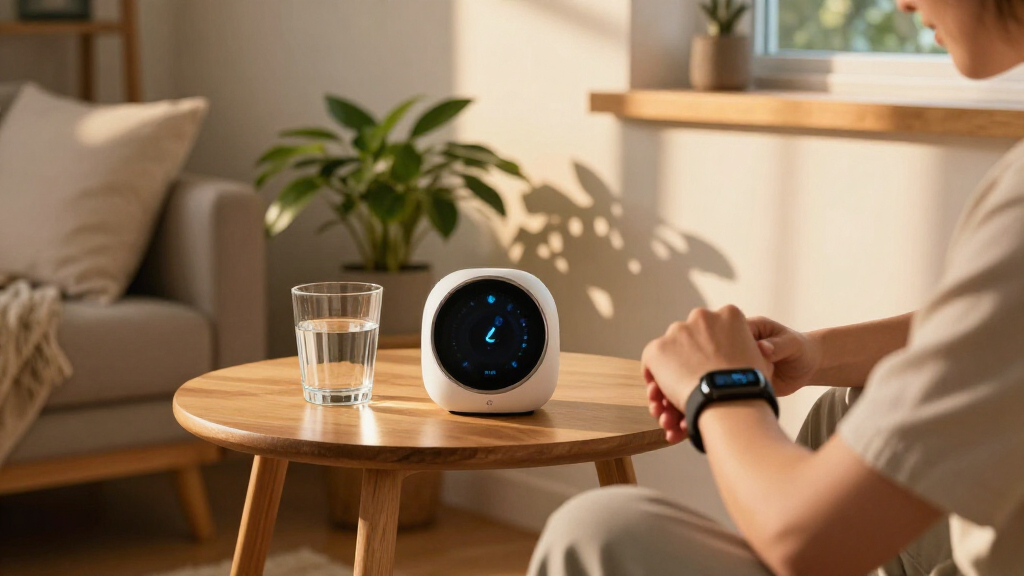
The category is broad. An air-quality monitor may track particles, carbon dioxide, humidity, or volatile organic compounds; a thermostat changes temperature; smart lights follow a schedule; and a connected scale records weight trends. A movement sensor might alert a caregiver if someone’s usual activity pattern changes. These functions are not interchangeable. A sensor measures a defined signal, a control changes a setting, and an alert passes information to someone; each has different limits and failure points. “Wellness” on the box does not tell you what the device can measure.
For example, imagine your bedroom feels dry and stuffy in the morning. A humidity sensor can show whether moisture levels fall overnight, and a thermostat can show the room temperature. If the readings change when you adjust ventilation or heating, that comparison can help identify a household pattern. Neither device tells you whether a particular symptom has a medical cause, because symptoms can have many explanations that the sensor does not assess. A reading is information, not a diagnosis.
That distinction matters because a precise-looking number can seem more authoritative than the measurement warrants. Some products make health-related claims, while many are better understood as general wellness tools. Look for the measurement method, the product’s stated purpose, and independent testing; consider whether its accuracy is adequate for the decision you plan to make. If you’re making a medical decision, ask a qualified professional how, or whether, a consumer reading should factor into it.
Products Worth Considering

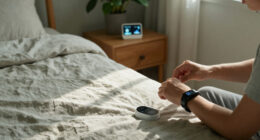
Withings Sleep Tracking Pad
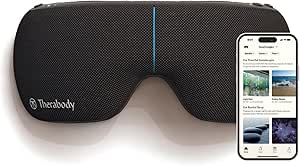
Therabody SmartGoggles 2nd Generation Heated Eye and Temple Massager

Theragun Therabody Relief Massage Gun – 3 Speed, Black
As an affiliate, we earn on qualifying purchases.
Use Air Sensors to Spot Patterns, Not to Declare Your Home Safe
An air-quality monitor can help you see changes in the pollutants its sensors track, but it cannot certify that your whole home is safe. Different monitors measure different things, and the number on the screen only speaks to the device’s sensors, placement, and measurement method. This means a reassuring reading can coexist with a pollutant the device does not detect, and a single spike does not by itself identify its source or health significance.
Suppose you cook a smoky dinner and a particle reading rises in the kitchen. If that rise repeats during cooking and falls after you use the extractor fan, the monitor can help you recognize a pattern and judge whether the ventilation routine changes the reading. A carbon dioxide reading may also help you notice when a crowded room needs more fresh air. These signals support specific actions, but they are not a complete analysis of every gas, allergen, or source in the home; choosing the wrong sensor can leave the original concern unanswered.
Placement changes the story. A monitor beside a sunny window or directly above a stove may show conditions that do not reflect the room where you spend most of your time. Before buying, check which pollutants it measures, how it presents uncertainty, and whether independent testing supports its claims. Also consider whether the device needs calibration or maintenance to keep readings meaningful. A purifier needs the right filter and regular replacement; its running cost and noise may affect whether you actually use it.
Automation helps with comfort, not maintenance. A connected fan or purifier may respond to a sensor, but an automatic response is only as useful as the sensor’s coverage and the control it triggers. It cannot replace ventilation, cleaning, filter changes, or professional advice when a concern persists. Treat the monitor like a weather station indoors: it can help explain trends and prompt a response, but it does not describe every condition in the house.
Build a Better Evening Routine With Lights and Temperature
Smart lights and thermostats can make it easier to keep a steady evening routine, but they cannot promise better sleep or well-being. They change the environment around you; the effect depends on your preferences, schedule, and other factors. The main tradeoff is convenience versus dependence on settings and connectivity: an automated routine can remove small decisions, but it should remain easy to adjust when your needs change.
You might set warm, dim lights to come on at 9:30 p.m. and lower the bedroom temperature a little before bedtime. On a cold winter evening, that routine can spare you a bright ceiling light and a late-night scramble to adjust the thermostat. A sunrise schedule may also help you wake at a consistent time. Whether those changes help is personal, so notice how you feel rather than assuming the schedule itself improves sleep. The useful part is often the routine itself, not a wellness score attached to it.
Sleep trackers need the same caution. They estimate sleep stages or duration using signals such as movement and heart rate, and brands can produce different scores from the same night. Their scores can be useful for noticing broad changes over time, but they may also reflect the device’s algorithm or fit rather than a meaningful change in sleep. A tracker that labels one restless night “poor” may leave you watching the app instead of noticing how you feel across a week. Treat consumer sleep scores as estimates, not clinical assessments.
Start with one small change. Try a dimmer lighting schedule for a week, then decide whether it helps you wind down. If the routine creates more interruptions or anxiety, change it or turn off the tracking. If sleep problems are persistent or affect your health, speak with a qualified professional rather than relying on a wearable’s score.
Compare the Features That Matter Before You Buy
The best device for your home is the one that addresses a specific problem with a measurement or control you can use. Match the product to the question you want answered, then compare the ongoing costs and limits as carefully as the purchase price. This keeps a feature list from standing in for usefulness: more sensors or a polished dashboard do not help if they cannot change a decision you need to make.
For instance, if your main concern is stale air in a home office, a sleep tracker will not help, even if it has an appealing dashboard. An air monitor might help you notice a ventilation pattern, while a connected fan could respond to a schedule or sensor. The monitor gives information, whereas the fan changes conditions; buying both only makes sense if you will use the reading to guide the control. Check the product details before assuming it measures the pollutant or supports the automation you need.
| Household need | Device example | What to check |
|---|---|---|
| Notice air changes | Air-quality monitor | Which pollutants it measures and how it was tested |
| Support an evening routine | Smart lights or thermostat | Schedules, manual controls, and platform compatibility |
| Review sleep patterns | Consumer sleep tracker | How estimates are calculated and how data is stored |
| Support independent living | Motion sensor or alert device | Who receives alerts and what happens if connectivity fails |
Then add the full cost: hubs, replacement filters, batteries, sensor replacements, and cloud subscriptions can change the total. A low initial price may lead to recurring fees or upkeep that outweigh the convenience. Compatibility also affects usefulness. Matter support can improve compatibility for some smart-home products, but it does not make every wellness device work with every platform or guarantee every feature works across them. Check current specifications and support policies before committing.
Choose Fall Alerts and Reminders With a Real Response Plan
Movement sensors, medication reminders, and fall alerts can support daily living when someone is available to respond and the system works as expected. An alert only helps if it reaches a person who knows what to do next. The benefit is added awareness or a prompt; the tradeoff is that false alarms and missed alerts can both affect trust in the system.
Say an older parent lives alone and wants more confidence during the day. A motion sensor might notify a family member when the home has been unusually quiet, while voice controls and automated lights can make routine tasks easier. But “unusually quiet” may reflect a normal change of plans, so the alert should be interpreted in context rather than treated as proof of an emergency. It could also be delayed by a Wi-Fi outage, a dead battery, or a subscription lapse.
Before relying on any alert, find out what triggers it, where the notification goes, whether it depends on internet or power, and who will check in. Test it with the people who will receive alerts so you know how long notification takes and what it looks like on their devices. Agree on a backup plan, such as a scheduled call, in case the app or cloud service is unavailable. This turns an alert from a promise on a product page into a response routine people can follow.
Consent and dignity matter, too. Explain what the system monitors, who can see the information, and when alerts will be sent. Agree together on which alerts are useful and how often to review them. A device designed to support independent living should help the person feel more in control, not watched without their agreement.
Protect Your Household Data Before You Connect Devices
Smart home wellness devices can collect sensitive details about your routines, location, voice, and health-related measurements, so check how the company handles data before setup. Privacy settings are part of the product, not a minor detail to inspect later. The more detailed the data, the more it may reveal when combined over time, even if each individual reading seems ordinary.
Consider a smart speaker that receives voice commands while connected lights record when rooms are occupied. Those features can make a home more convenient, but they can also reveal when you wake, leave, or take a medication reminder. Read what the device collects, where the company stores it, how long it retains it, whether it shares it, and how to delete it. These details help you weigh convenience against how much household activity you are comfortable placing in an account or cloud service.
Use the privacy controls you actually need. You might turn off voice-history storage, limit app access, or keep an activity sensor out of a private room. Where a product offers local processing, check what works without the cloud; local controls may reduce some data sharing, but they can limit remote alerts or app features. Choose based on which functions matter to your household and which data you would rather not share.
Security and everyday reliability belong in the same decision. Choose products with clear update and support policies, use a strong unique password, and find out what continues to work if Wi-Fi or power fails. An offline device may still perform a local routine but lose remote notifications, depending on its design. Understand the fallback before you depend on an alert.
Follow These Five Steps to Pick a Device You’ll Use
A short buying process helps you avoid paying for a feature-rich device that does not answer your actual question. Start with the household need, then check evidence, fit, and upkeep before you place the order.
- Name the problem. Write one clear goal, such as “I want to notice when the bedroom gets too warm overnight.”
- Choose the right measurement or control. A temperature sensor fits that question; a connected scale does not.
- Check the limits. Read what the device measures, how estimates are produced, and whether testing comes from an independent source.
- Check the household fit. Confirm compatibility with your phone, platform, Wi-Fi, and any hub, and check whether someone else needs access.
- Calculate upkeep and make a backup plan. Add filters, batteries, subscriptions, and replacements; for alerts, decide who responds if the app is offline.
Imagine you are choosing a purifier monitor for a small apartment. If it measures particles but not the pollutant you’re concerned about, it may not answer your question. If it needs a costly replacement filter every few months, that recurring expense belongs in your decision too. The right choice weighs whether the reading informs an action, whether you can maintain the device, and whether the total cost fits your budget.
Once you install the device, check whether its readings change in ways you can explain. Keep the settings understandable and easy to override. If alerts prove noisy or the device requires upkeep you cannot sustain, adjust the settings or reconsider whether it is serving the original need. A useful device should make a routine clearer, not turn your home into a stream of confusing notifications.
Frequently Asked Questions
What counts as a smart home wellness device?
It’s a connected product that supports comfort, health-related routines, or awareness at home. Examples include air monitors, smart lights and thermostats, sleep trackers, connected scales, water sensors, and movement or fall-alert devices.
Can an air-quality monitor tell me whether my home is safe?
No single monitor can establish that by itself. It measures only the pollutants its sensors are designed to track, and its readings depend on placement and measurement method. Use results as clues about patterns, and seek qualified help if you have a specific health or environmental concern.
Are consumer sleep trackers accurate?
They estimate sleep patterns from signals such as movement or heart rate; they do not provide a clinical assessment. Different brands may score the same night differently. Look at broad trends, and discuss persistent sleep concerns with a qualified professional.
Can fall-alert devices reliably detect a medical emergency?
No alert system should be assumed to detect every fall or emergency. Performance depends on the device, its settings, connectivity, power, and whether a person receives and responds to the alert. Test the system and agree on a backup response plan.
Will devices from different brands work together?
Sometimes, but compatibility depends on the device, platform, and features you want. Matter support improves compatibility for some device types; it does not guarantee that every wellness product works across every system. Check current product specifications and support policies.
Conclusion
Smart home wellness devices are most useful when they help you notice a pattern or keep a routine without making bigger promises than their sensors can support. Pick one practical need, check what the product really measures, and learn its privacy, upkeep, and reliability limits before you rely on it.
A good device should leave you with clearer choices and a calmer home, like a small lamp lighting the next step—not a dashboard insisting it knows your health.