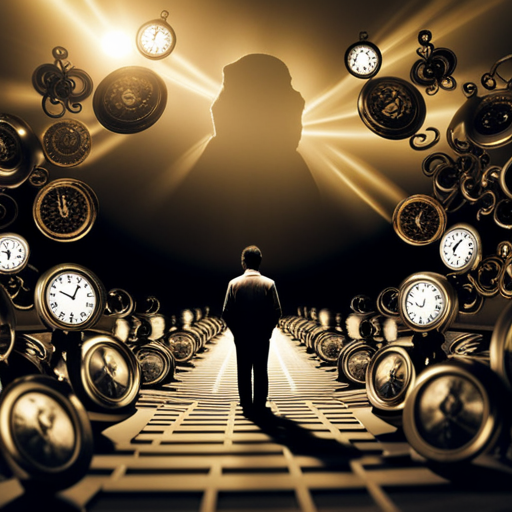

When interpreting symbols in prophetic versus regular dreams, focus on their emotional intensity and sense of urgency. Prophetic dreams often feature symbols that feel meaningful or come with a feeling of knowing, guiding you about future events. Regular dreams usually reflect your daily experiences and emotional states without that sense of immediacy. Recognizing these differences helps you understand their messages better. Keep exploring how your personal and cultural background influences these symbols for more accurate insights.
Key Takeaways
- Prophetic dreams feature symbols with a sense of urgency and emotional intensity, indicating future guidance.
- Regular dreams include familiar objects and scenarios that reflect current thoughts or unresolved issues.
- Cultural and personal backgrounds influence how symbols are interpreted in both prophetic and regular dreams.
- Prophetic symbols often serve as signs or omens, whereas regular dream symbols help process daily emotions.
- Recognizing emotional reactions and context aids in distinguishing between prophetic and regular dream symbolism.
Dream symbols often carry hidden messages from your subconscious, making their interpretation a valuable tool for self-awareness. When you encounter symbols in your dreams, it’s natural to wonder whether they’re just random images or if they hold deeper significance. Understanding the difference between prophetic and regular dreams can help you decipher what your mind is trying to tell you. In particular, exploring dream symbolism and cultural interpretations can shed light on these messages, revealing insights about your future, your current situation, or your inner emotional landscape.
Prophetic dreams tend to feel more urgent or meaningful. They often seem to predict future events or offer guidance about upcoming challenges. When you experience a prophetic dream, you might notice symbols that resonate deeply or evoke a sense of knowing. These symbols can be culturally specific or universal, but their significance is often heightened by the emotional intensity of the dream. For example, in some cultures, dreaming of a specific animal might be seen as a message from spirits or ancestors, giving the dream a cultural interpretation that enhances its prophetic nature. Recognizing these symbols requires awareness of your cultural background and personal beliefs, as certain images may carry different meanings depending on your context. In many traditions, dream symbolism is used to interpret signs or omens, making it a crucial part of spiritual or prophetic practices. Additionally, understanding dream symbolism can enhance your ability to interpret both prophetic and regular dreams more accurately.
Regular dreams, on the other hand, tend to reflect your daily experiences, thoughts, and emotions. They might feature familiar objects, people, or scenarios that seem less predestined and more like processing tools your subconscious uses to help you understand your feelings. While these dreams can contain symbols, their primary purpose is often to work through unresolved issues or emotional conflicts. For example, dreaming of a broken clock might symbolize feelings of lost time or missed opportunities, rather than a future event. The interpretation of these symbols often depends on your personal associations and cultural background, which shape how you perceive their meaning. Recognizing whether a dream is prophetic or regular involves paying attention to your emotional reactions and the context of the symbols within your life.
Ultimately, understanding the distinction between prophetic and regular dreams involves a blend of intuition, cultural awareness, and insight into dream symbolism. By exploring the symbols that appear in your dreams and considering their cultural interpretations, you can access messages that help you navigate your waking life with greater clarity. Whether a dream feels like a glimpse into the future or a reflection of your current struggles, paying close attention to these symbols can deepen your self-awareness and spiritual growth.
Frequently Asked Questions
How Do Cultural Differences Influence Dream Symbol Interpretation?
You should understand that cultural differences greatly influence dream symbol interpretation through cultural symbolism and interpretation diversity. Your background shapes how you perceive symbols, making what’s meaningful in one culture unfamiliar or even confusing in another. This means you need to take into account your cultural context when analyzing your dreams, as symbols can have different meanings, and understanding these variations enriches your overall dream interpretation.
Can Recurring Dreams Change Their Symbolic Meaning Over Time?
You might find it ironic, but recurring dreams can indeed change their symbolic meaning over time. As you experience new life events or personal growth, your dream symbolism evolution shifts, altering the significance of recurring dream patterns. What once symbolized fear may now represent strength, showing that your subconscious adapts. So, stay open to reinterpretation; your dreams are evolving alongside you, revealing fresh insights about your journey.
Are There Specific Symbols Unique to Prophetic Dreams?
Yes, there are specific symbols unique to prophetic dreams that carry particular dream symbolism and prophetic significance. You might notice certain images or themes that seem to convey messages or warnings beyond regular dreams. Pay attention to these symbols, as they often point to future events or divine insights. Recognizing their prophetic significance can help you better understand the guidance or messages your subconscious is trying to communicate.
How Do Personal Experiences Affect Dream Symbolism Understanding?
Your personal experiences act like a lens through which you see dream symbols, shaping their meaning. Personal biases and emotional influences color your interpretation, making some symbols more vivid or confusing. Just as a painter’s strokes are influenced by their feelings, your background and current emotions influence how you understand dream symbols. Being aware of these factors helps you discern whether a symbol reflects your inner world or a prophetic message.
What Role Does Intuition Play in Interpreting Dream Symbols?
Intuition plays a crucial role in interpreting dream symbols by tapping into your subconscious insights, which often reveal hidden meanings. Trusting your intuitive accuracy helps you connect symbols to personal experiences and emotions, making interpretations more meaningful. When you listen to your gut feelings during analysis, you uncover deeper understanding and clarity, allowing you to discern the true message behind your dreams and apply it to your waking life effectively.
Conclusion
So, now you’re armed with the secrets to decoding dream symbols, whether they’re whispering future truths or just telling you to buy more bananas. Remember, these symbols are like cosmic emojis, sending you messages from the universe itself—messages so profound they could shake the foundations of your reality! Never ignore a dream again; it’s your personal prophecy or your subconscious’s way of saying, “Hey, pay attention!” Your dreams are more powerful than you ever imagined.