
After a stressful day, your mind is often busy with racing thoughts and worries, making it hard to unwind. The missing step is a simple mindfulness meditation routine that helps shift your focus from chaos to calm. By taking just a few minutes to breathe deeply and observe your thoughts without judgment, you signal your nervous system to relax. Keep exploring, and you’ll discover how to make this powerful practice part of your nightly routine effortlessly.
Key Takeaways
- Incorporate a dedicated mindfulness meditation session to transition from stress to relaxation before bedtime.
- Dim lights and turn off screens to create a calming environment conducive to winding down.
- Focus on deep, slow breathing to activate the nervous system’s relaxation response.
- Acknowledge and release racing thoughts without judgment to prevent mental clutter.
- Establish a consistent evening routine to signal the body it’s time to relax and prepare for sleep.
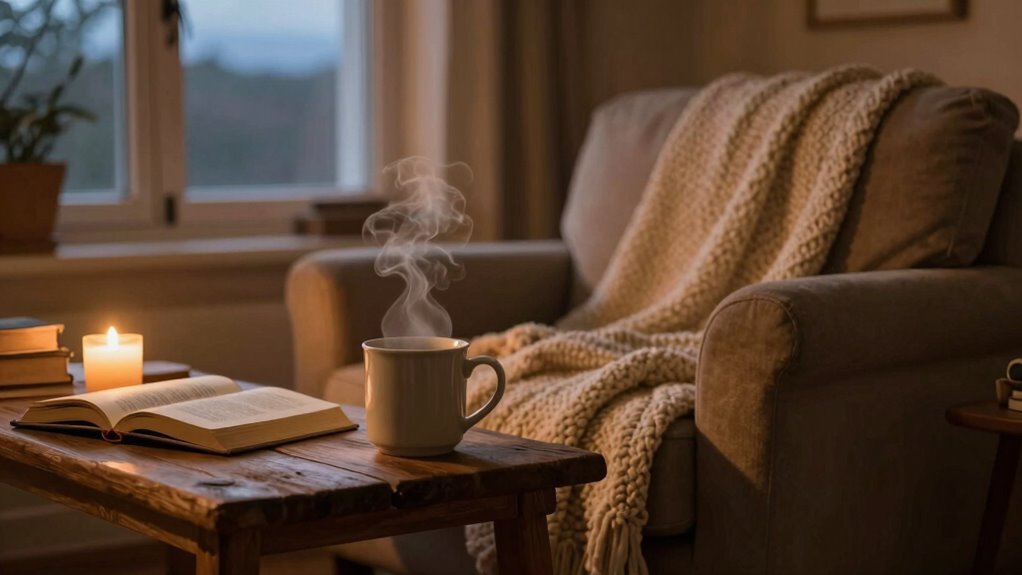
After a long, stressful day, you might find yourself tossing and turning, unable to drift into restful sleep. It’s frustrating to lie in bed, eyes wide open, thoughts racing about tomorrow’s responsibilities or yesterday’s mistakes. That’s where a simple but powerful step can make a real difference: establishing a calming evening routine that includes mindfulness meditation. This practice helps you transition from the chaos of the day into a state of mental tranquility, setting the stage for deep, restorative sleep.
You probably already have an evening routine, whether it’s scrolling through your phone, watching TV, or preparing for the next day. But these habits often keep your mind active, making it harder to unwind. Instead, try dedicating a few minutes to mindfulness meditation. Find a quiet spot, sit comfortably, and focus on your breath. As thoughts come and go, acknowledge them without judgment and gently bring your attention back to your breathing. This simple act of mindfulness trains your mind to stay present, reducing stress and calming the nervous system. Over time, incorporating this practice into your nightly routine makes it easier to let go of the day’s worries.
Making mindfulness meditation a consistent part of your evening routine transforms it from a fleeting attempt into a reliable stress-release tool. You don’t need special equipment or hours of practice; just a few minutes each night can create a noticeable difference in how quickly you relax. As you become more skilled at observing your thoughts and emotions without attachment, you naturally create mental space, allowing sleep to arrive more easily. This approach not only reduces anxiety but also promotes a sense of control over your evening, helping you feel more prepared to rest.
It’s important to set the scene for your mindfulness meditation. Dim the lights, turn off screens, and sit in a comfortable position. Focus on your breath, feeling the rise and fall of your chest or the sensation of air passing through your nostrils. If your mind wanders, gently redirect it without frustration. Consistency is key—doing this every night helps signal to your body that it’s time to relax and wind down. Incorporating calming techniques like mindfulness meditation can also improve your overall sleep quality by reducing hyperarousal, which is often linked to sleep disturbances. Over days and weeks, you’ll notice that this calming ritual becomes a natural part of your evening, making it easier to transition from the stresses of the day into peaceful sleep.

Sleep Tight Cards – 45 Meditation and Mindfulness Cards – Calm Down and Relax & Relief Stress and Anxiety – Self Care, Therapy & Counseling Tool
- Ideal for Sleep Difficulties: Helps with bedtime anxiety and insomnia
- Relax Body and Mind: 45 guided exercises for relaxation
- Stress Relief at Bedtime: Eases mental and physical tension
As an affiliate, we earn on qualifying purchases.
As an affiliate, we earn on qualifying purchases.
Frequently Asked Questions
How Long Should the Calming Routine Last?
Your calming routine should last about 30 to 60 minutes, allowing enough time for effective relaxation. Incorporate bedtime rituals like gentle stretching, calming music, or deep breathing to help wind down. The relaxation duration varies depending on how stressful your day was, but sticking to a consistent routine within this timeframe helps signal your body it’s time to sleep, making it easier to shift from stress to restful sleep.
Are There Specific Foods That Help Reduce Stress?
Sure, because nothing says “stress relief” like a plate of chocolate or greasy fries, right? Actually, in nutritional psychiatry, foods rich in omega-3s, magnesium, and antioxidants truly help reduce stress. Think leafy greens, nuts, and berries. Practice dietary mindfulness by choosing these calming options mindfully. Your body will thank you, and maybe your stress levels will, too—minus the guilt and empty calories.
Can Exercise Replace Relaxation Techniques Before Bed?
Exercise can considerably enhance your sleep hygiene, but it shouldn’t fully replace relaxation techniques. Engaging in physical activity helps reduce stress and promotes better sleep, yet incorporating mindful breathing before bed can calm your mind more effectively. Combining exercise with relaxation practices creates a balanced approach, making it easier to unwind and enjoy restful sleep. Remember, both strategies work best when integrated into your nightly routine.
What if I Can’t Find Time for a Calming Activity?
If you can’t find time for a calming activity, focus on quick stress relief techniques during small breaks. Practice deep breathing, stretch briefly, or do a mental reset to reduce tension. Good time management is key—you can schedule these moments into your day, even if just for a few minutes. Prioritizing small, intentional pauses helps ease stress and sets the stage for better sleep, even on busy days.
How Quickly Can I See Improvements in Sleep Quality?
Think of your sleep as a garden; with consistent care, it blooms. You might notice improvements within a week if you optimize your sleep environment—dim lights, cool temperature—and reduce stress triggers. Small changes act like watering a plant, gradually strengthening your sleep roots. Keep these habits steady, and you’ll see your nights become calmer and more restorative, turning restless weeds into peaceful flowers before you know it.
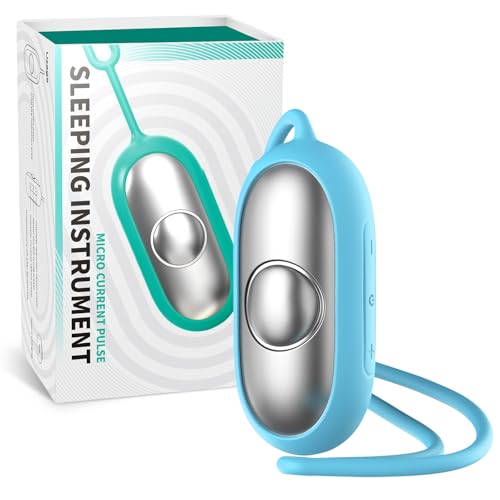
WinkithW Handheld Sleep Aid Device for Adults & Kids – Gentle Calming Device for Stress, Anxious Moments & Better Sleep, NOT Electric Shock, 8 Adjustable Levels, USB-C Rechargeable, Portable (Blue)
- Gentle Pulse, Not Electric Shock: 8 adjustable gentle levels
- Calms Racing Mind: Use for 15-20 minutes to relax
- Suitable for Adults & Kids: Safe for sensitive sleepers and children
As an affiliate, we earn on qualifying purchases.
As an affiliate, we earn on qualifying purchases.
Conclusion
You deserve peace after a stressful day. You deserve to unwind, to relax, to reset. You deserve to let go of worries, to embrace calm, to find rest. By taking that missing step—whether it’s a calming ritual, a mindful moment, or a simple breath—you bridge the gap between stress and sleep. You create a path to peace, a bridge to tranquility, a night of true rest. Make that step, and let your nights be truly restful.

YeeBeny Breathing lamp Guided 3 Color 478s Meditation for Stress Relief
- Breathing Lamp Function: Reduces stress and improves focus
- Material: Made of soft silicone for comfort
- Design: Elegant white appearance for decor
As an affiliate, we earn on qualifying purchases.
As an affiliate, we earn on qualifying purchases.

Sleep Essential Oil Blend for Diffuser – Dream Essential Oils for Diffusers Aromatherapy and Relaxation with Clary Sage Ylang-Ylang Roman Chamomile and Lavender for Sleep Time Support (1 Fl Oz)
- Aromatherapy Diffuser Oils: Lavender, chamomile, sage, ylang-ylang blend
- Supports Better Sleep: Promotes relaxing nighttime aromatherapy
- Premium Essential Oil Blend: Handpicked relaxing oils for diffusers
As an affiliate, we earn on qualifying purchases.
As an affiliate, we earn on qualifying purchases.