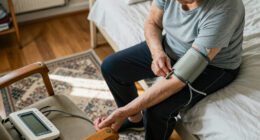
If you have underlying health issues like high blood pressure, glaucoma, or heart problems, you should skip yoga swings and inversion gear, as they can worsen your condition. Pregnant women and those with neck or back injuries should avoid these tools too, without prior professional guidance. Even if you’re experienced, improper use can cause injury. To stay safe, it’s best to understand the risks involved—there’s more to take into account for your safety.

Get health and wellness essentials delivered free with Prime
- Fast, free delivery on millions of items
- Prime Video, Amazon Music and more included
- Member-only deals all year
Key Takeaways
- Individuals with pre-existing health conditions like high blood pressure or glaucoma should avoid inversion gear.
- Pregnant women should skip inversion exercises due to potential blood flow and strain risks.
- Beginners and novices should refrain without proper guidance to prevent injury or overstretching.
- People with neck, back, or spinal injuries need professional consultation before using inversion equipment.
- Unsuspected or improper equipment use increases injury risk, so only use well-maintained, reputable gear.

While yoga swings and inversion gear can enhance your practice and provide unique benefits, they’re not suitable for everyone. If you’re new to yoga or inversion exercises, you should approach this equipment with caution. Recreational use might seem tempting, but without proper guidance, it can lead to injury. If you’re just starting out, it’s better to focus on foundational poses and build strength and flexibility before trying advanced gear. Jumping straight into using a yoga swing or inversion table without proper preparation can risk overstretching muscles or straining joints. Remember, safety always comes first, especially for beginners.
Start with basic poses and build strength before trying advanced inversion gear for safety.
People with pre-existing health conditions should be especially cautious. If you have high blood pressure, glaucoma, or cardiovascular issues, inversion therapy can increase pressure in your head and eyes, potentially worsening your condition. Pregnant women should avoid inversion gear altogether, as it can affect blood flow and put undue strain on the abdomen and pelvis. Similarly, those with neck or back injuries need to consult a healthcare professional before attempting any inversion exercises. These injuries can be aggravated by the inverted positions, leading to more pain or longer recovery times. Additionally, improper use or setup can also lead to injury risks, emphasizing the importance of correct technique. Proper setup and maintenance of the equipment are also crucial to prevent accidents.
Inversion gear is often marketed as a way to decompress the spine and relieve back pain, but it’s not a one-size-fits-all solution. For many, especially beginners, the risks outweigh the benefits. If you’re considering trying an inversion table or yoga swing, it’s vital to start slowly and under supervision. Improper use can cause dizziness, falls, or muscle strains. Many accidents happen because users don’t fully understand how to set up or use the equipment correctly. To stay safe, educate yourself thoroughly or seek guidance from a qualified instructor who can teach you the proper techniques. Additionally, understanding proper equipment setup and regular maintenance can help prevent potential malfunctions and injuries.
Even if you’re an experienced yogi, you should be cautious about using inversion gear without proper preparation. These tools are excellent for advanced practitioners looking to deepen their practice, but they aren’t necessary for everyone. If your goal is recreational use or simply exploring new stretches, you might find traditional yoga poses safer and more accessible. Always listen to your body and avoid pushing into discomfort or pain. If you feel unsure or experience symptoms like dizziness, headaches, or nausea, stop immediately and consult a healthcare professional. Prioritizing safety means knowing your limits and respecting the equipment’s capabilities, especially if you’re a beginner or managing health concerns.
Additionally, understanding the potential risks associated with warp issues and improper use can help prevent injuries and ensure safe practice. Being aware of health conditions that contraindicate inversion exercises will help you make informed decisions about your fitness routine. It’s also worth noting that not all inversion gear is designed with safety features, so choosing reputable brands and regularly inspecting your equipment can help prevent accidents or malfunctions.
As an affiliate, we earn on qualifying purchases.
Frequently Asked Questions
Can Pregnant Women Safely Use Yoga Swings or Inversion Gear?
Pregnant women should avoid using yoga swings or inversion gear due to pregnancy safety concerns. Inversion risks, like losing balance or putting unnecessary pressure on your abdomen, can lead to falls or complications. During pregnancy, your body undergoes changes that make inversion potentially unsafe. Always consult your healthcare provider before trying new exercises or gear, ensuring you prioritize both your safety and your baby’s health.
Are Yoga Swings Suitable for Children or Teenagers?
Yoga swings are generally not suitable for children or teenagers because of safety concerns. Children safety is paramount, and their developing bodies may not handle the inversion or swinging motions well. Teenager flexibility can be impressive, but improper use of these swings could lead to strains or injuries. Always supervise if they try it, and consult a professional to guarantee it’s safe for their age and skill level.
How Should I Choose the Right Inversion Gear for My Needs?
To choose the right inversion gear, start with a thorough risks assessment to understand your health limits and safety concerns. Look for sturdy, high-quality equipment that supports your weight and activity level. Consider ease of equipment maintenance, ensuring it’s simple to clean and inspect regularly. Read reviews and consult with professionals if needed. Prioritizing safety and durability helps you select inversion gear that enhances your practice while minimizing risks.
What Are the Signs of Overusing Yoga Swings or Inversion Equipment?
If you overuse yoga swings or inversion gear, you might notice muscle strain, especially in your shoulders, neck, or back, indicating you’re pushing too hard. Dizziness risks increase if you invert for too long or ascend too quickly, making you feel faint or unsteady. Pay attention to these signs, and stop immediately if you experience discomfort, allowing your body to rest and recover before trying again.
Can People With Certain Back or Neck Injuries Use Inversion Gear Safely?
Think of your spine as a delicate garden trellis that needs careful tending. If you have spinal injuries or neck strains, inversion gear can be risky—like hanging fragile vines too high. You shouldn’t use it without your doctor’s approval, as it could worsen your condition. Always consult a healthcare professional first, ensuring your back and neck are strong enough to handle the gentle ups and downs of inversion.
As an affiliate, we earn on qualifying purchases.
Conclusion
If you have high blood pressure, neck or back issues, or are pregnant, it’s best to skip yoga swings and inversion gear. These tools aren’t suitable for everyone and could worsen your condition. Did you know that nearly 30% of adults experience hypertension, making safe practices essential? Always listen to your body and consult a healthcare professional before trying new poses or equipment. Prioritize safety to enjoy the benefits of yoga without unnecessary risks.
As an affiliate, we earn on qualifying purchases.
As an affiliate, we earn on qualifying purchases.
Halloween Picks
halloween
As an affiliate, we earn on qualifying purchases.