
TL;DR
Young adults from Gen Z and Millennials are increasingly engaging in activities traditionally associated with older generations. Experts cite reasons such as mental health benefits, sustainability, and a search for authentic community. This trend reflects shifting values and lifestyle priorities among younger age groups.
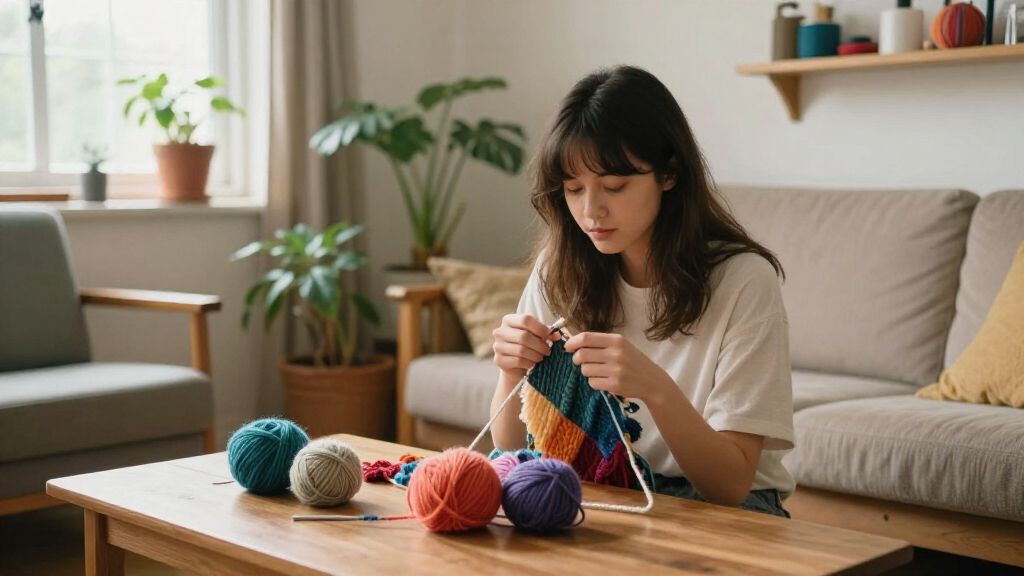
Gen Z and Millennials are increasingly embracing hobbies traditionally associated with older generations, such as knitting, baking, and gardening, according to recent social media trends and surveys. This shift highlights changing lifestyle priorities and a desire for mindfulness and sustainability among younger adults.
Multiple reports indicate a surge in younger individuals engaging in activities like knitting, sewing, and home gardening. Experts suggest that these hobbies offer mental health benefits, foster community, and align with values of sustainability and authenticity. Social media platforms such as TikTok and Instagram have amplified this trend, with many young users sharing their experiences and tutorials.
Market research firms note that sales of knitting supplies, baking ingredients, and gardening tools have increased significantly among the 18-34 age group. Psychologists point out that these hobbies provide a calming effect and a break from digital overload, which has become a concern during the pandemic and post-pandemic periods.
Implications of the ‘Grandma Hobbies’ Revival for Young Adults
This trend signifies a shift in values among younger generations, emphasizing mindfulness, sustainability, and community connection. It also indicates a move away from fast-paced digital entertainment toward more tangible, skill-based activities. For brands and marketers, it presents new opportunities to engage with a demographic seeking authenticity and meaningful experiences.
Complete Knitting Kit for Beginners – Learn to Knit Kit with Knitting Accessories Like Thick Beginner Yarn in Gray, Bamboo Needles for Beginners & More – Includes Video Tutorials & Written Guide
- Educational and Therapeutic: Teaches knitting skills and promotes relaxation
- Complete Kit Contents: Includes yarn, needles, markers, and accessories
- Beginner-Friendly Design: Features thick yarn, bamboo needles, tutorials
As an affiliate, we earn on qualifying purchases.
As an affiliate, we earn on qualifying purchases.
Rise of Traditional Hobbies Among Younger Generations
Historically, hobbies like knitting and gardening were associated with older adults. However, during the COVID-19 pandemic, many young people turned to these activities as a form of stress relief and self-care. Social media has played a key role in popularizing and normalizing these hobbies among Millennials and Gen Z. Market data from 2022 and 2023 shows increased sales of related supplies, reflecting a broader cultural shift toward slow, mindful living.“Engaging in traditional hobbies like knitting or gardening can significantly reduce stress and foster a sense of accomplishment for young adults.”
— Dr. Lisa Chen, Psychologist specializing in youth mental health

Grenebo Heavy Duty Gardening Tools with Handbag, Gardening Gifts for Women
- Sturdy and Rust-Proof Steel: Durable stainless steel construction
- Complete Gardening Kit: Includes 8 tools and storage bag
- Ergonomic Wooden Handles: Comfortable, non-slip grip for all ages
As an affiliate, we earn on qualifying purchases.
As an affiliate, we earn on qualifying purchases.
Unclear Long-Term Impact and Demographic Reach
It is not yet clear whether this trend will sustain long-term or remain primarily a social media-driven fad. Additionally, the extent to which different demographic groups within Millennials and Gen Z are adopting these hobbies varies and requires further study.
Cake Decorating Kits 567 PCS Baking Set with Springform Pans Set, Rotating Turntable, Decorating Tools, Cake Baking Supplies for Beginners and Cake Lovers (567 PCS Cake Decorating Kits)
- Complete 567-Piece Cake Decorating Set: Includes tools, pans, and accessories for baking
- Beginner and Professional Use: Suitable for all skill levels with extensive tools
- High-Quality Food-Grade Materials: Made from safe, durable stainless steel, silicone, and plastic
As an affiliate, we earn on qualifying purchases.
As an affiliate, we earn on qualifying purchases.
Monitoring Sustainability and Cultural Integration of Hobby Trends
Researchers and marketers will track ongoing engagement levels and sales data to determine if the trend persists. Experts also anticipate that traditional hobby stores and online platforms will continue to adapt to meet the growing demand from younger consumers. Further studies may explore how these hobbies influence mental health and social connection over time.
Dreamon Zen Garden for Desk, Mini Veggie Zen Sand Garden for Sandbox with Vegetable, Plants and Gardening Tools, Sand Tray Therapy Kit with 56 Accessories, Fidget Stress Relief Toys Novelty Gift Idea
- Mini Veggie Garden Kit: Includes 56 accessories for desktop gardening
- Relaxing Sand Play: Unwind with tactile sand and pattern raking
- Stress Relief and Mindfulness: Promotes calm and creativity through sensory play
As an affiliate, we earn on qualifying purchases.
As an affiliate, we earn on qualifying purchases.
Key Questions
Why are younger generations interested in ‘grandma hobbies’?
They seek activities that promote mindfulness, sustainability, and community, providing a break from digital stress and fostering a sense of accomplishment.
Are social media platforms responsible for this trend?
Yes, platforms like TikTok and Instagram have played a significant role in popularizing and normalizing these hobbies among young adults.
Will this trend last long-term?
It remains uncertain whether the interest will persist or fade as a fad. Continued engagement and cultural shifts will influence its longevity.
What types of hobbies are most popular among young adults?
Knitting, baking, gardening, sewing, and home canning are among the most popular hobbies currently embraced by Millennials and Gen Z.
How are these hobbies impacting mental health?
Experts suggest that engaging in these activities can reduce stress, improve mood, and foster a sense of community and achievement.
Source: rss