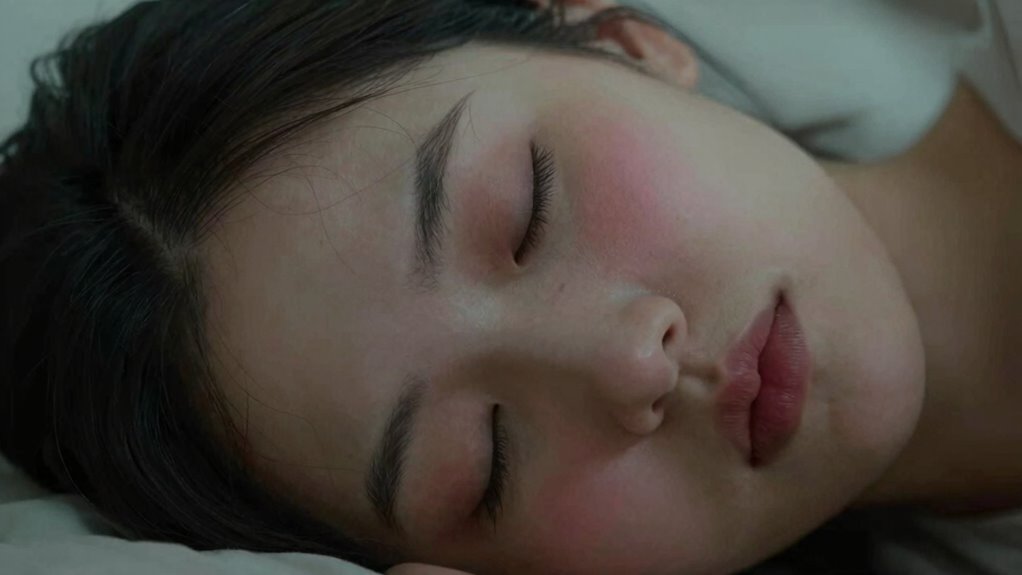

Yes, you can feel pain in a dream, especially during lucid dreaming when your awareness blurs imagination and reality. Your brain can generate vivid sensations that mimic real pain, even though your body stays unharmed. Neural activity involved in pain processing is active, creating convincing but simulated experiences. The science becomes strange because these sensations are real enough to cause discomfort but don’t involve physical damage. If you’re curious, there’s much more to uncover behind this phenomenon.
Key Takeaways
- While dreams can evoke sensations similar to pain, no actual tissue damage occurs during dreaming.
- Neural activity during lucid dreaming can produce vivid, uncomfortable pain sensations, blurring the line between imagination and reality.
- Sleep paralysis can intensify the perception of pain by heightening emotional and sensory experiences in dreams.
- The brain’s neural pathways for pain are active during sleep but generate sensations without physical injury.
- Dream-induced pain is a mental simulation, not a result of real physical harm, despite feeling real to the dreamer.
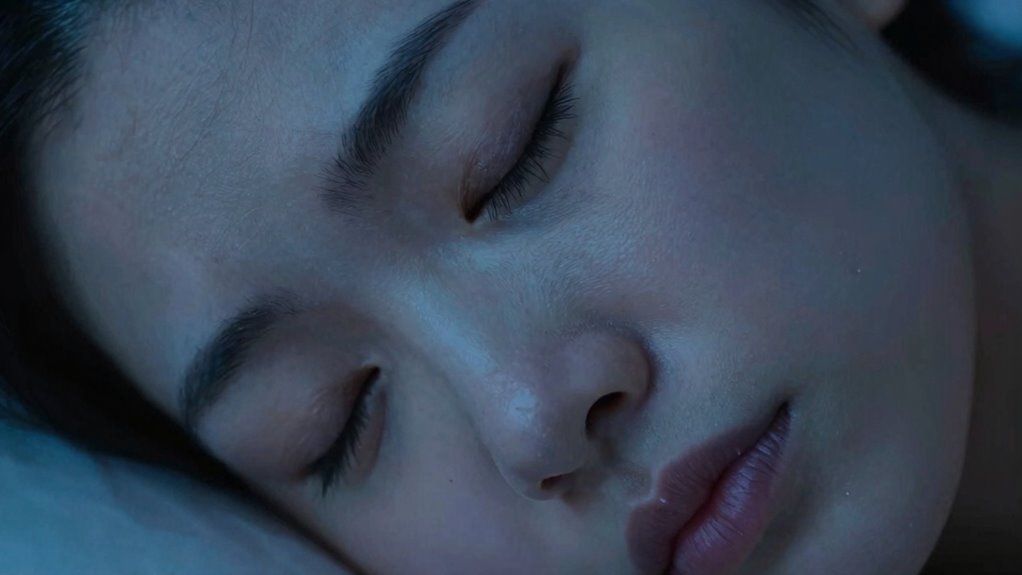
Have you ever woken up from a nightmare feeling real pain or discomfort? It’s a strange experience, and it makes you wonder whether pain can truly exist in dreams. While it’s common to feel scared or distressed during nightmares, the idea that your brain can generate physical sensations like pain is both fascinating and unsettling. In the domain of sleep, especially during lucid dreaming, where you become aware that you’re dreaming, the boundaries between imagination and reality can blur. Some lucid dreamers report experiencing sensations similar to pain, yet science suggests that the brain’s perception of pain in dreams is more complex than it appears. During sleep paralysis, a phenomenon that often accompanies vivid nightmares, your body is temporarily unable to move while your mind awakens. This state can intensify the fear and sensation of helplessness, sometimes accompanied by hallucinations or feelings of pressure. Interestingly, sleep paralysis can also heighten the emotional intensity of a dream, making sensations like pain feel more real. Additionally, the brain’s ability to create phantom sensations demonstrates how neural activity can evoke the feeling of pain without physical stimulus. Despite these intense feelings, most researchers agree that actual physical pain isn’t physically occurring; instead, your brain is fabricating sensations based on memories, emotions, and neural activity. Researchers believe that the neural pathways involved in processing pain are active during these dreams, but they’re operating in a sort of simulated environment, not a physical one. This brain activity highlights how your mind can convincingly simulate pain, yet your body remains untouched. Scientists are still exploring how the brain creates these sensations during REM sleep, but the consensus is that pain in dreams is largely a product of the brain’s neural activity, not actual tissue damage or physical injury. The sensations are real enough to cause discomfort or fear, but they don’t involve the physical pain you’d feel in waking life. Furthermore, understanding how neural pathways operate during dreaming can help scientists develop insights into both sleep and pain perception. So, while dreams might feel incredibly real—especially during intense nightmares—they’re still a mental experience, generated by neural signals that mimic pain without any real harm. That’s what makes the science so weird: your mind can convincingly simulate pain, yet your body remains untouched.

LC-dolida Sleep Headphones, 3D Sleep Mask Bluetooth Wireless Music Eye Mask, Sleeping Headphones for Side Sleepers Sleep Mask with Bluetooth Headphones Ultra-Thin Stereo Speakers Perfect for Sleeping
【Sleep Headphones & Bluetooth Sleep Mask & Sleep Eye Mask 3 in 1】LC-dolida sleep mask with bluetooth headphones…
As an affiliate, we earn on qualifying purchases.
As an affiliate, we earn on qualifying purchases.
Frequently Asked Questions
Can Pain in Dreams Be a Sign of a Sleep Disorder?
Yes, experiencing pain in dreams can indicate a sleep disorder. Dream symbolism often reflects your subconscious concerns, including discomfort or health issues. If pain in your dreams becomes frequent, it might relate to pain localization, signaling actual physical or emotional distress. Consult a healthcare professional to explore underlying causes, especially if these dreams disrupt your sleep or cause ongoing discomfort, as they could be signs of conditions needing attention.
Do Animals Experience Pain in Their Dreams?
You might be surprised, but studies suggest animals do experience pain in their dreams. Around 80% of mammals show rapid eye movement (REM) sleep, during which dream symbolism and emotional processing occur. This indicates they likely process feelings and sensations, including pain, much like humans. So, just as in human dreams, animals’ dreams could involve painful experiences, helping them process emotions and memories.
How Do Scientists Measure Pain Perception in Dreams?
Scientists measure pain perception in dreams using neuroscience insights, mainly through brain imaging techniques like fMRI. During REM sleep, they observe activity in pain-related brain regions, which can indicate whether you might be experiencing pain. In dream therapy, understanding these mechanisms helps address nightmares or traumatic dreams. While direct measurement is challenging, combining subjective reports with neuroscience insights offers valuable clues about how pain feels in dreams.
Are There Psychological Effects From Recurring Painful Dreams?
Recurring painful dreams can have a significant emotional impact, affecting your mental well-being over time. You might feel increased anxiety, fear, or stress, which can spill into your waking life. These dreams often use symbolism to represent unresolved conflicts or trauma, making their emotional effects more profound. Recognizing this pattern helps you address underlying issues, potentially reducing the frequency and emotional toll of these distressing dreams.
Can Dreaming About Pain Help With Pain Management?
Dreaming about pain can actually aid in pain management through dream therapy, helping you process pain memory. Like Freud’s exploration of subconscious fears, facing pain in dreams allows your mind to confront and reduce its emotional grip. This mental rehearsal can diminish real-world pain, giving you a new perspective and control. By intentionally engaging with pain in dreams, you might find relief and better cope with ongoing discomfort.

Kolbs Bed Wedge Pillow for Sleep Apnea, FSA Eligible Acid Reflux, and Back Pain Relief, with Chic Jacquard Cover – Headboard Wedges for Sleeping (Standard Width 7.5" Height)
FSA Eligible. Experience unparalleled comfort with our sleep apnea pillow, designed to elevate your upper body and improve…
As an affiliate, we earn on qualifying purchases.
As an affiliate, we earn on qualifying purchases.
Conclusion
So, next time you dream of a sharp sting or a burning sensation, remember, your mind’s a wild inventor. While science still debates whether you truly feel pain in dreams, it’s clear that your brain can conjure sensations that feel real—like an ancient alchemist brewing mysterious potions. Even if you wake up wondering if you just experienced a medieval torture, just chalk it up to your own mind’s weird, wonderful magic.

Lucid Dreaming Journal: The Ultimate Dream Diary
As an affiliate, we earn on qualifying purchases.
As an affiliate, we earn on qualifying purchases.
nightmare discomfort relief
As an affiliate, we earn on qualifying purchases.
As an affiliate, we earn on qualifying purchases.