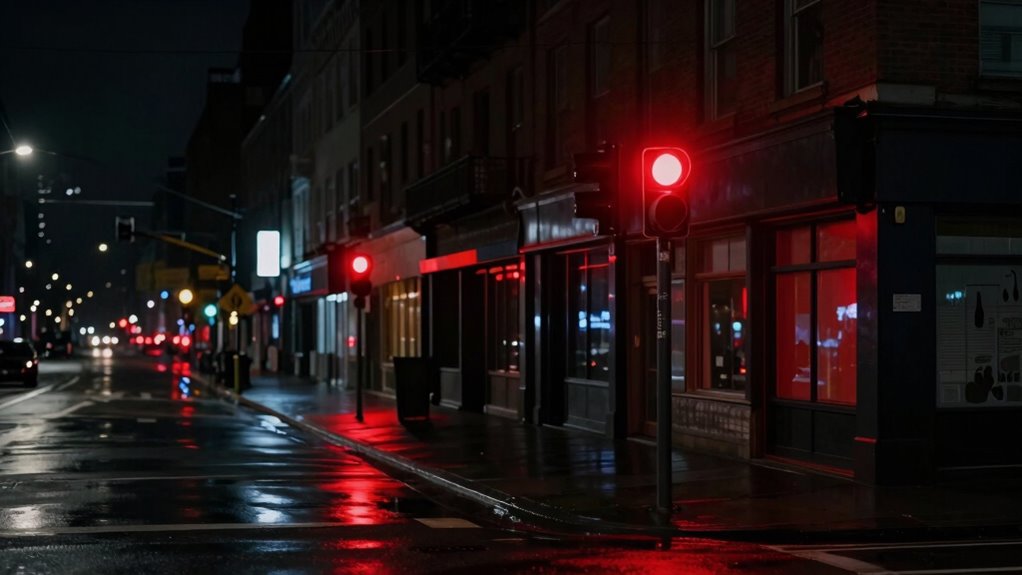

Red light at night feels different because it interacts with your eyes and brain differently than blue or white light, thanks to its longer wavelength. This means it’s less likely to disrupt your sleep or suppress melatonin, helping your body relax naturally. Unlike harsh, bright lights, red light creates a calmer environment and feels gentler on your senses. If you keep exploring, you’ll discover how understanding these effects can improve your sleep and overall health.

Get health and wellness essentials delivered free — and shop member deals
- Fast, free delivery on millions of items
- Access to Prime Big Deal Days deals on October 6–7
- Prime Video, Amazon Music and more included
Key Takeaways
- Red light has a longer wavelength, making it less sensitive to the eyes and less harsh at night.
- It minimally suppresses melatonin, promoting better sleep compared to blue or white light.
- The different perception is due to how our eyes and brain process light in low-light conditions.
- Using red light reduces light pollution, creating a more natural and restful nighttime environment.
- Scientific research links red light exposure at night to healthier sleep and overall well-being.
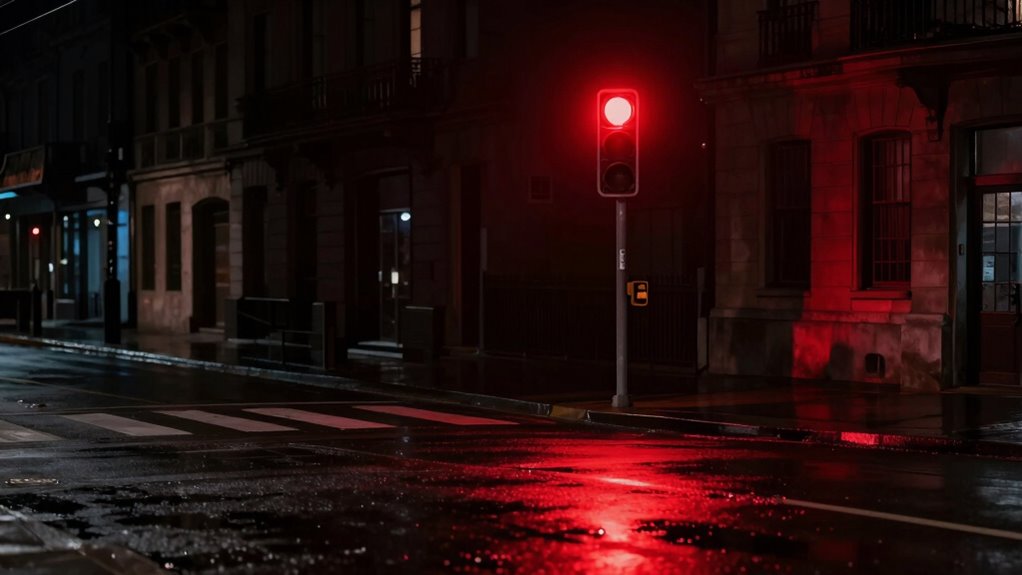
At night, the glow of red lights can evoke a surprisingly different feeling than during the day, and there’s a scientific reason behind it. You might notice that red lights seem less harsh or intrusive compared to brighter, white or blue lighting. This difference isn’t just in your perception—it’s rooted in how your eyes and brain process light during darkness. One key factor is light pollution, which refers to excessive or misdirected artificial light that washes out the darkness of night. While bright lights can disturb your natural circadian rhythms, red light is less likely to cause significant disruption. That’s because red light has a longer wavelength, and your eyes are less sensitive to it in low-light conditions, especially at night. Additionally, some outdoor lighting solutions, like natural pools that utilize minimal artificial lighting, can help reduce overall light pollution in your environment.
When you’re exposed to bright or blue-tinted light at night, it can interfere with your body’s production of melatonin—the hormone responsible for regulating sleep. This interference leads to sleep disruption, making it harder for you to fall asleep or stay asleep. Red light, on the other hand, has minimal impact on melatonin levels, which is why many experts recommend using red lighting when you want to avoid disturbing your sleep cycle. It’s especially helpful if you’re trying to wind down or read without fully waking your brain. But even if red light feels gentler, too much exposure to any artificial light at night can still contribute to light pollution and subtly alter your sleep patterns. Additionally, the use of battery inverter generators with appropriate lighting solutions can help reduce unnecessary light pollution in outdoor or emergency situations. Understanding light wavelengths and their effects can further support your efforts to create a healthier sleep environment.
You might think you’re immune to these effects, but the truth is, your environment plays a significant role in your sleep quality. If you’re living in an area with high light pollution, the ambient glow can make it harder to get restful sleep. This isn’t just about feeling awake; it’s about your overall health. Sleep disruption caused by light pollution has been linked to increased risks of obesity, diabetes, and even cardiovascular issues. That’s why it’s important to be mindful of your lighting choices at night. Using red lights or dimming your environment can help you create a sleep-friendly atmosphere. Understanding light wavelengths can help you make better choices for your health and sleep quality. Recognizing the impact of light pollution on health can motivate individuals to take steps toward reducing unnecessary exposure.
Ultimately, the reason red light feels different at night isn’t just a matter of perception. Science shows that its wavelength and your body’s response to it make a real difference. By understanding how light pollution and sleep disruption are connected, you can make smarter choices to protect your sleep quality. Whether it’s in your home or outside, opting for red lighting in the evening can help preserve your natural rhythms and promote healthier sleep.
As an affiliate, we earn on qualifying purchases.
Frequently Asked Questions
How Does Red Light Affect Night Vision Compared to Other Colors?
Red light affects your night vision less than other colors because of its wavelength sensitivity. Your eyes’ color perception makes red light less likely to cause pupil constriction, preserving your rods’ ability to see in low light. Unlike blue or green lights, red light doesn’t considerably interfere with night vision, making it ideal for nighttime activities. This unique wavelength helps you see better in the dark without disrupting your natural adaptation process.
Can Red Light Exposure at Night Impact Sleep Quality?
Yes, red light exposure at night can impact your sleep quality. It may cause less circadian disruption and melatonin suppression compared to blue or white light. However, prolonged or intense red light exposure can still interfere with your sleep cycle, making it harder to fall asleep or stay asleep. To protect your sleep, try to limit any light exposure before bed, even red light, especially if you’re sensitive to disruptions.
Are There Health Risks Associated With Prolonged Red Light Exposure?
You might think red light is harmless, but prolonged exposure can pose health risks. It can cause circadian disruption and melatonin suppression, throwing off your natural sleep cycle. Ironically, what seems soothing could be quietly harming you over time, increasing risks for metabolic issues and even mood disturbances. So, while red light feels gentle, your body might be silently paying the price, urging you to be mindful of your nightly lighting habits.
How Do Different Wavelengths Within Red Light Influence Perception?
Different wavelengths within red light influence your perception shift by affecting how your eyes process visual information. Wavelength variation determines the specific hue and brightness you see, with longer wavelengths appearing deeper and more intense. This variation can make reds seem more vibrant or subdued depending on the wavelength. Your perception changes because your eyes respond differently to each wavelength, altering how you interpret red light in various environments, especially at night.
Is Red Light More Beneficial Than Traditional Lighting for Nighttime Activities?
Red light is more beneficial than traditional lighting for nighttime activities because it preserves your natural night vision and minimizes disruption to your circadian rhythm. Its color perception is softer, reducing glare, while also being energy-efficient. You’ll notice less eye strain and better focus, making it ideal for tasks like stargazing or relaxing without waking your body’s natural sleep signals. Overall, red lighting enhances comfort and efficiency at night.
As an affiliate, we earn on qualifying purchases.
Conclusion
So, next time you flick on that red nightlight, remember—you’re not just warding off monsters but subtly rewiring your brain’s playlist. Who knew that a simple hue could turn your peaceful night into a clandestine experiment? So go ahead, embrace the crimson conspiracy—after all, what’s a little brainwashing with a side of ambiance? Sleep tight, and don’t let the scientifically proven, mood-altering red light bite.
As an affiliate, we earn on qualifying purchases.
light pollution reducing outdoor lights
As an affiliate, we earn on qualifying purchases.
As an affiliate, we earn on qualifying purchases.
Fall Picks
fall essentials
As an affiliate, we earn on qualifying purchases.