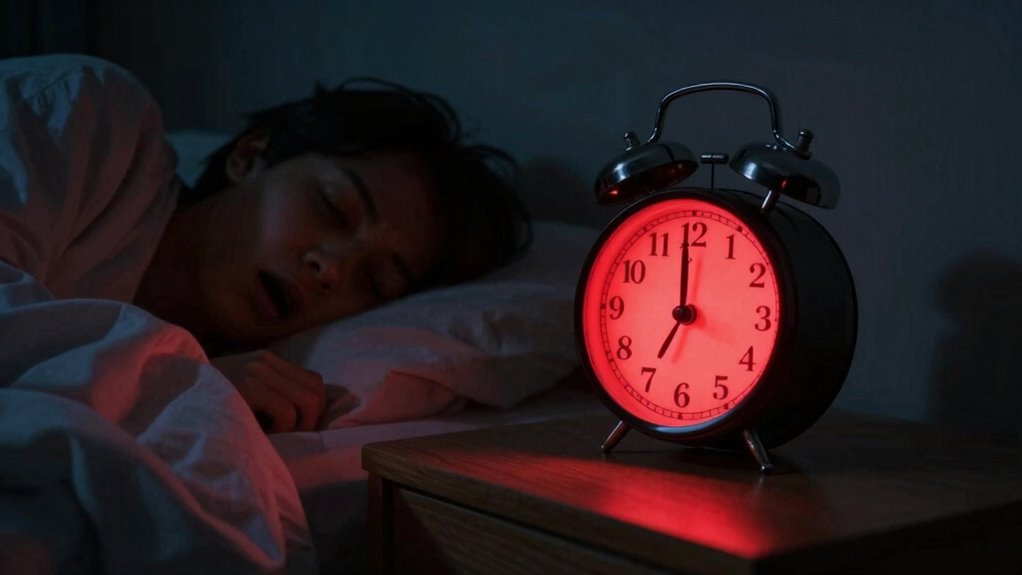

When a loud alarm goes off, it suddenly wakes you up, disrupting your sleep cycle and stopping your brain from processing and storing vivid dreams. This abrupt interruption interferes with neural activity related to dreaming, especially during REM sleep. As your brain shifts quickly to alertness, it can’t properly encode those dream experiences into long-term memory. If you want to understand how sleep stages influence this process, keep exploring what happens during a disrupted night.
Key Takeaways
- Loud alarms cause immediate awakening, disrupting neural processes needed for encoding dreams into long-term memory.
- Sudden noise during REM sleep interrupts vivid dream activity, hindering memory consolidation.
- The abrupt transition from sleep to alertness prevents delicate memory formation for dreams.
- External stimuli during lighter sleep stages impair the brain’s ability to encode dream content.
- Frequent disruptions weaken sleep cycles, leading to poorer dream recall overall.

Have you ever woken up suddenly to a loud alarm and immediately forgotten the details of your dreams? That’s a common experience, and it all ties back to how your sleep cycle operates. When you’re in the deeper stages of sleep, your brain is actively consolidating memories, including those from dreams. But a sudden, jarring noise disrupts this process instantly. Your brain shifts gears from the dreamy, semi-conscious state to full alertness in an instant, making it nearly impossible to retain those fleeting memories once you’ve been jolted awake.
Sudden loud alarms disrupt sleep and erase dream memories instantly.
Loud alarms generate what’s called auditory interference, which is fundamentally a sudden, unexpected noise that interrupts ongoing neural activity. During your sleep cycle, especially in REM sleep—a phase closely linked to vivid dreaming—your brain remains in a delicate balance of neural activity. When this balance is disturbed by a loud sound, the brain’s natural shift from sleep to wakefulness is accelerated. Instead of gently waking up and allowing your mind to process and store your dreams, the alarm forces an abrupt changeover, overriding the subtle processes needed for memory formation. As a result, your brain fails to encode the dream content into long-term memory, leaving you with only a vague sense that you’d been dreaming but no details to recall.
The timing of the alarm plays a significant role too. If it goes off during a deep sleep phase, like slow-wave sleep, the chances of losing dream memory increase. During these stages, your brain is less receptive to external stimuli, but when suddenly disturbed, the changeover is so swift that the chance of retaining dream details diminishes even further. Conversely, if you’re in lighter sleep stages, you might wake more easily, yet the abruptness still hampers memory encoding because your brain is caught in a state of confusion and heightened alertness. Additionally, the sleep cycle itself influences how easily you remember dreams, as different stages affect memory consolidation differently. This disruption can also affect other appliance functions, such as your body’s temperature regulation and heart rate, further impacting your overall sleep quality. Furthermore, research shows that sleep stages play a crucial role in how well dreams are remembered, emphasizing the importance of uninterrupted sleep for memory retention.
In short, the combination of your sleep cycle’s natural rhythms and the auditory interference caused by loud alarms creates a perfect storm for forgetting your dreams. The brain prioritizes immediate wakefulness over the delicate process of memory consolidation, making those vivid visuals and stories vanish almost instantly. That’s why, despite the sometimes startling and memorable nature of dreams, a loud alarm often leaves you with nothing but a fleeting, hazy impression of what you experienced in your sleep.
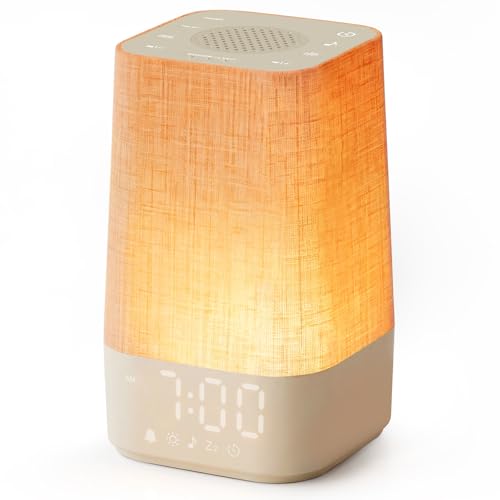
10-60 Mins Simulated Sunrise Alarm Clock: Gentle Wake Up Light with Adjustable Brightness, 32-Level Volume, Bright & Loud Enough for Dark Morning Bedroom – White Noise Machine with 30 Soothing Sounds
10–60 Min Gentle Sunrise Wake-Up: This sunrise alarm clock lets you set a 10–60 minute sunrise simulation, or…
As an affiliate, we earn on qualifying purchases.
As an affiliate, we earn on qualifying purchases.
Frequently Asked Questions
Do Different Alarm Sounds Affect Dream Memory Differently?
Yes, different alarm sounds can affect your dream memory differently. Higher alarm volume and sharp sound frequency are more likely to wake you abruptly, disrupting your dream recall. Softer or more soothing alarm sounds may gently rouse you, allowing you to retain dream details better. You should choose alarm tones with appropriate volume and sound frequency that wake you without fully jolting you, helping preserve your dream memories.
Can Gradual Wake-Up Alarms Reduce Dream Memory Loss?
Think of waking up as gently stepping from a misty dreamscape into daylight. Gradual wake-up alarms, like soft dawn light, help preserve your dream memory by easing your shift into wakefulness. When your morning routines are calm and your sleep environment peaceful, this gentle awakening allows your mind to hold onto dreams longer. You wake more refreshed, with clearer memories, instead of jolted and foggy from abrupt alarms.
How Does Sleep Stage Impact Alarm-Induced Dream Forgetfulness?
Your sleep stage greatly impacts alarm-induced dream forgetfulness. During REM sleep, when most dreaming occurs, loud alarms can abruptly wake you, causing sleep paralysis and disrupting dream incubation. This sudden wake-up prevents your brain from consolidating those dreams into memory. If you wake during lighter sleep stages, you’re more likely to remember dreams. Managing wake-up timing and using gradual alarms may help preserve dream memory, especially when aiming for dream incubation.
Are There Specific Alarm Types That Preserve Dream Recall?
You might find that softer alarms with gentle awakening tones and shorter durations tend to preserve dream recall better. When alarm volume is moderate and duration isn’t overly abrupt, it’s less likely to jolt you out of a delicate dream state. This subtle approach allows your mind to gradually wake, helping you retain those fleeting memories. Experimenting with different alarm types can help you discover which best supports your dream retention.
Does Alarm Timing Influence the Extent of Dream Memory Wipeout?
Yes, alarm timing affects how much dream memory you lose. Waking up during REM sleep, especially close to REM cycles, can disrupt memory consolidation, making it harder to recall dreams. If you set alarms to wake you during lighter sleep stages, you might retain more dream details. For lucid dreaming, timing is essential—waking during REM can help you remember your dreams better, but loud alarms may still interfere with that process.

EMAY Sleep Oxygen Monitor with Built-in Recording Capability | Track Continuous Blood Oxygen Levels & Pulse Rate Overnight | Provides Sleep Report & Raw Data
With a 40 hours' built-in data memory, the EMAY Oxygen Monitor allows you to record O2 & heart…
As an affiliate, we earn on qualifying purchases.
As an affiliate, we earn on qualifying purchases.
Conclusion
So, next time you wake up startled by a loud alarm, remember it’s not just waking you—it’s wiping out your dreams too. Imagine someone who quickly jumps out of bed, only to forget the vivid dream they just had. That sudden noise floods your brain with alertness, disrupting the delicate memory transfer from your dream state to waking memory. To keep your dreams intact, consider gentle alarms or gradual wake-up methods—they might just help you remember more.
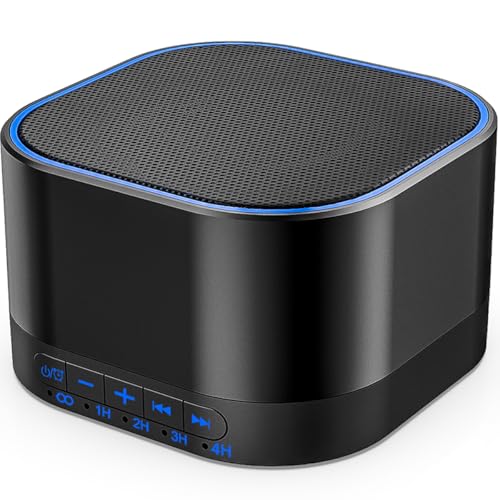
Magicteam Sound White Noise Machine with 20 Non Looping Natural Soothing Sounds and Memory Function 32 Levels of Volume Powered by AC or USB and Sleep Sound Timer Therapy for Baby Kids Adults
❤20 Non-Looping Sleep Sounds: White noise ,Brown noise, pink noise, blue noise, fan,brook, rain, ocean,bird and Bonfire,suitable for…
As an affiliate, we earn on qualifying purchases.
As an affiliate, we earn on qualifying purchases.

Dreamegg Sound Machine for Sleep – D1 Nova White Noise Sound Machine for Baby Adult with Alarm Clock, Soothing Sounds, Dimmable, White Noise Alarm Clocks for Bedrooms Heavy Sleepers Travel, Black
【Upgraded D1 Nova, Based on Your Voice】The new white noise sound machine evolves from the beloved D1 Classic….
As an affiliate, we earn on qualifying purchases.
As an affiliate, we earn on qualifying purchases.