
To solve snoring, light, and temperature battles, you can adjust your sleep environment for better comfort. Sleep on your side to reduce snoring and use supportive pillows to keep your neck aligned. Block out external light with blackout shades and use white noise machines to mask disruptive sounds. Keep your bedroom cool between 60-67°F, and layer bedding for flexibility. Making these simple changes can transform your sleep quality, and discovering more solutions is just a step away.

Get health and wellness essentials delivered free with Prime
- Fast, free delivery on millions of items
- Prime Video, Amazon Music and more included
- Member-only deals all year
Key Takeaways
- Use blackout shades and thick curtains to block external light, promoting a darker sleep environment.
- Maintain room temperature between 60-67°F to prevent discomfort and reduce snoring caused by temperature fluctuations.
- Incorporate white noise machines or earplugs to mask disruptive sounds and enhance sleep continuity.
- Adjust bedding and use supportive pillows to promote proper sleep posture and reduce airway obstruction.
- Establish a consistent bedtime routine and limit screen exposure to reinforce sleep signals and improve overall sleep quality.
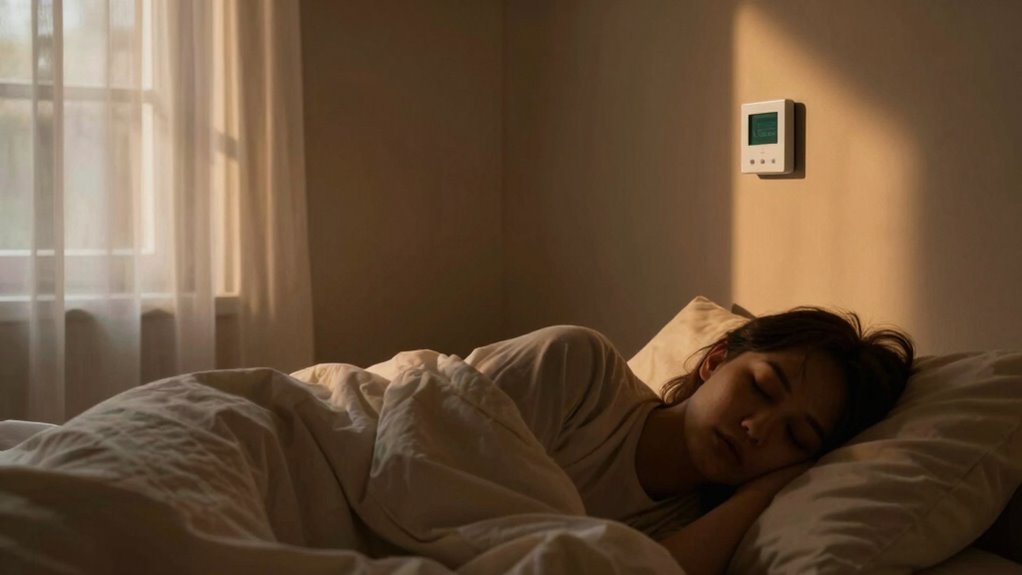
Many people struggle to get a good night’s sleep because of common environmental factors like snoring, light, and temperature. These disruptions can leave you feeling exhausted and unrefreshed in the morning. Addressing these issues requires a proactive approach, especially when it comes to optimizing your sleep posture and noise reduction strategies.
Your sleep posture plays an essential role in reducing snoring and improving overall sleep quality. When you sleep on your back, your tongue and soft palate can fall back into your throat, blocking airways and causing snoring. Instead, try sleeping on your side. This position keeps your airways open, minimizing snoring and allowing for more restful breathing. Using a supportive pillow that aligns your neck can also promote better posture, preventing discomfort that might wake you during the night. Proper sleep posture not only reduces noise from snoring but also alleviates tension in your neck and shoulders, leading to deeper, more restorative sleep. Maintaining a consistent sleep schedule can further enhance your sleep quality and help regulate your circadian rhythms.
Sleeping on your side keeps airways open, reduces snoring, and promotes deeper, more restful sleep.
Noise reduction is another key factor in creating an environment conducive to restful sleep. Even minor sounds like a partner’s breathing or nearby traffic can disturb your sleep cycle. To combat this, consider investing in earplugs or white noise machines that generate constant, soothing sounds to drown out disruptive noises. Thick curtains or blackout shades can block external light and muffled sounds, helping you stay in the lighter stages of sleep longer. Consistency is critical; establishing a bedtime routine that minimizes exposure to noise can signal your brain that it’s time to wind down. If snoring from a partner is a persistent problem, encouraging them to explore solutions like nasal strips or positional therapy can help reduce noise and improve sleep quality for both of you. Additionally, understanding sleep environment factors such as light and temperature can further optimize your rest. Creating a **comfortable sleep environment** by controlling these factors can significantly improve sleep quality and comfort. Furthermore, the use of **soundproofing techniques** can be highly effective in minimizing external disturbances and creating a more peaceful sleep setting.
Temperature control also plays a fundamental role in your sleep environment. A room that’s too hot or cold can interfere with your sleep cycle, causing you to toss and turn. Keep your bedroom cool, ideally between 60 and 67 degrees Fahrenheit (around 15.5 to 19.5°C). Use fans or air conditioning to maintain a comfortable temperature. Layer your bedding so you can adjust based on how warm or cold you feel during the night. Proper sleep posture combined with a comfortable temperature and noise reduction creates a sanctuary where your body can relax fully. Incorporating sleep hygiene practices, such as avoiding screens before bed, can further support your sleep health. Over time, these adjustments help establish healthier sleep habits, reducing snoring and disturbances that keep you awake.
As an affiliate, we earn on qualifying purchases.
Frequently Asked Questions
Can Lifestyle Changes Reduce Snoring Effectively?
Yes, lifestyle changes can effectively reduce snoring. Improving your sleep hygiene, like maintaining a consistent sleep schedule and avoiding alcohol before bed, helps create better sleep quality. Additionally, focusing on respiratory health by quitting smoking and losing excess weight can open airways and decrease snoring. These small adjustments support healthier breathing during sleep, making it easier to enjoy restful nights and reducing disruptions caused by snoring.
Are There Natural Remedies for Light Sensitivity During Sleep?
Yes, natural remedies can help with light sensitivity during sleep. You might try using blackout curtains or an eye mask to block out excess light. Incorporating calming herbs like chamomile or lavender tea before bed can promote relaxation and reduce sensitivity. Additionally, establishing a consistent sleep schedule and reducing screen time before bed helps your body adapt better to darkness, making it easier to sleep undisturbed despite light sensitivity.
How Does Humidity Affect Sleep Temperature Comfort?
Humid air can make your sleep feel uncomfortable, affecting temperature regulation and causing night sweats or dryness. To improve comfort, focus on air quality and choose mattress materials that breathe well. Opt for breathable fabrics, maintain ideal humidity levels, and guarantee good ventilation. These steps help balance moisture, keep your body temperature steady, and create a more comfortable environment, so you wake up refreshed and ready to face the day.
What Role Do Allergies Play in Sleep Disturbances?
Allergies can profoundly disrupt your sleep by triggering allergy triggers like pollen, dust mites, or pet dander, leading to nasal congestion. This congestion makes it harder to breathe comfortably, causing you to wake up frequently or struggle to fall asleep. To improve your sleep, identify and reduce your allergy triggers, keep your sleeping environment clean, and consider using allergy medications or air purifiers. These steps help minimize nasal congestion and promote restful sleep.
Can Sleep Position Influence Light and Temperature Preferences?
Like Icarus soaring too close to the sun, your sleep posture can influence your light exposure and temperature preferences. When you sleep on your back, you’re more exposed to ambient light, affecting melatonin production, while side sleeping can reduce light contact. Your sleep posture also impacts temperature comfort, as certain positions help insulate or dissipate heat. Adjusting your sleep position can help you better control light and temperature for restful sleep.
As an affiliate, we earn on qualifying purchases.
Conclusion
Remember, your bedroom is your sanctuary—where peace and comfort reign. Think of snoring, light, and temperature as unwelcome shadows trying to steal your serenity. By taking control, you hold the keys to banish these dark intruders, restoring harmony. When you create the perfect sleep environment, you illuminate your path to restful nights. Embrace these solutions, and watch as your nights transform from battles into peaceful dawns—your true sanctuary awaits.
supportive neck pillow for side sleepers
As an affiliate, we earn on qualifying purchases.
As an affiliate, we earn on qualifying purchases.
As an affiliate, we earn on qualifying purchases.
Halloween Picks
halloween
As an affiliate, we earn on qualifying purchases.