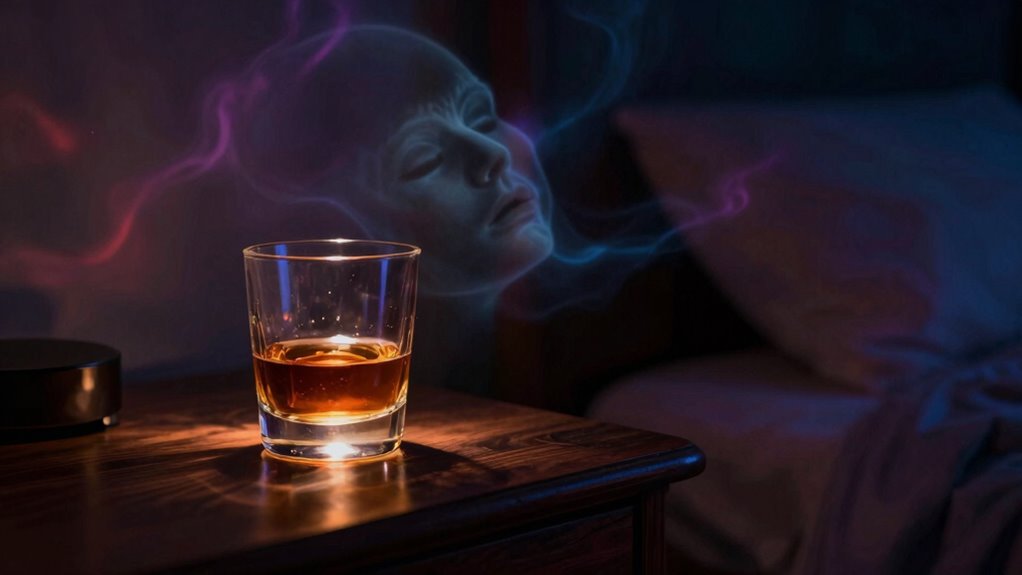

Alcohol can both suppress and intensify your dreams. It acts as a sedative, making you fall asleep faster, but later disrupts your sleep cycle and hinders REM sleep, which can cause forgetfulness of dreams. At the same time, alcohol can make dreams more vivid, bizarre, or emotionally charged, especially during the second half of the night. Your individual response varies, so exploring how alcohol affects your sleep can reveal even more about its influence on your dreams.

Get health and wellness essentials delivered free with Prime
- Fast, free delivery on millions of items
- Prime Video, Amazon Music and more included
- Member-only deals all year
Key Takeaways
- Alcohol initially suppresses REM sleep, reducing dream recall and making dreams seem less vivid.
- Later in the night, alcohol causes REM rebound, leading to more intense, vivid, or bizarre dreams.
- It disrupts sleep architecture, fragmenting sleep and altering the emotional and surreal quality of dreams.
- Alcohol’s influence on neurotransmitters can increase dream emotional intensity and bizarre content.
- Individual differences in metabolism and sleep patterns affect how alcohol impacts dream intensity and strangeness.
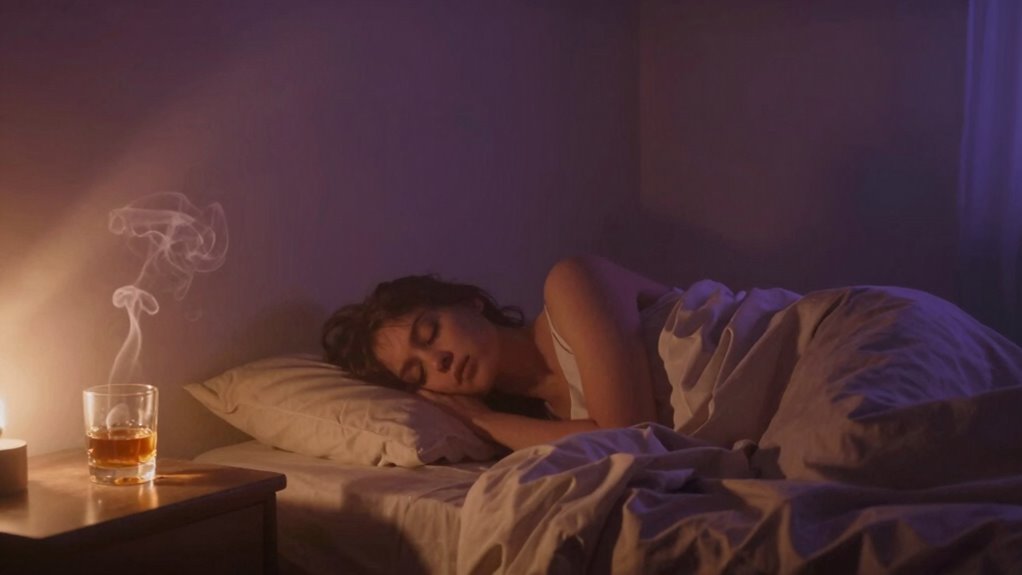
Many people wonder if drinking alcohol affects their dreams, and the answer isn’t as straightforward as a simple yes or no. When you consume alcohol before bed, it can disrupt your sleep cycle in ways that influence the nature and frequency of your dreams. Alcohol initially acts as a sedative, helping you fall asleep faster. But as the night progresses, it often causes sleep cycle disruption—particularly in the REM stage, which is when most dreaming occurs. This disruption can lead to lighter, less restorative sleep, making your dreams less vivid or even causing you to forget them altogether. On the other hand, some people report experiencing stranger or more intense dreams after drinking, especially during the latter part of the night when alcohol’s sedative effects wear off. This shift can result in more vivid or bizarre dreams, partly because your sleep becomes fragmented. Additionally, alcohol’s impact on neurotransmitters can influence the emotional tone and content of your dreams, making them feel more surreal or emotionally charged.
Your memory consolidation effects also play an essential role. During REM sleep, your brain processes and stores information gathered throughout the day. Alcohol’s interference with this process can impair your ability to remember dreams. If you usually recall your dreams clearly, drinking might make you forget them more often, giving the impression that alcohol suppresses dreams altogether. Conversely, the disruption of normal sleep patterns can sometimes lead to longer periods of REM rebound—where your brain attempts to compensate for lost REM sleep—resulting in more intense and memorable dreams when you do finally enter REM stages. This rebound effect can make dreams feel stranger or more vivid than usual. Furthermore, as alcohol affects sleep architecture, it can cause abrupt or irregular entries into REM sleep, which is associated with more emotionally charged or strange dreams. It is also worth noting that alcohol metabolism varies from person to person, which can influence how significantly your dreams are affected. Understanding how alcohol interacts with your unique sleep patterns can help you better grasp its effects on your dreams.
As an affiliate, we earn on qualifying purchases.
Frequently Asked Questions
Can Alcohol-Induced Dreams Predict Future Events?
Alcohol-induced dreams can’t reliably predict future events. While alcohol impacts memory, making dreams more vivid or bizarre, there’s no scientific link between these dreams and upcoming happenings. Dream symbolism often reflects your subconscious thoughts, not real-world forecasts. So, even if alcohol stirs strange dreams, don’t rely on them as clues for what lies ahead. Instead, focus on understanding your emotions and circumstances through more grounded insights.
Do Different Types of Alcohol Affect Dreams Differently?
Different types of alcohol can affect your dreams differently due to variations in alcohol metabolism. For instance, spirits with higher alcohol content may suppress REM sleep more than beer or wine, leading to more vivid or strange dreams afterward. Cultural influences also play a role, shaping your drinking habits and expectations, which can further alter your dream experiences. So, your choice of alcohol and cultural background both impact how your dreams unfold after drinking.
How Does Alcohol Impact REM Sleep Cycles?
You might notice that alcohol impacts your REM sleep cycles, which are essential for dreaming. Studies show that alcohol causes sleep disruption, especially in the later sleep stages, reducing REM duration. This disruption can lead to poorer dream recall and fragmented dreams. When you drink, your REM cycles get suppressed initially, but rebound later, making dreams more vivid or strange. So, alcohol definitely influences your REM sleep and the quality of your dreams.
Are Alcohol-Related Dreams More Vivid or Intense?
Alcohol-related dreams tend to be more vivid and intense, making your dream recall sharper. You might experience more detailed or bizarre dreams, often accompanied by nighttime hallucinations. This heightened dream activity occurs because alcohol disrupts your normal sleep cycles, especially REM sleep. As a result, your brain compensates with more active dreaming when you do get REM, leading to these vivid, sometimes unsettling, nighttime experiences.
Can Alcohol Withdrawal Cause Unusual Dreams?
Did you know that nearly 30% of people experience sleep disturbances during alcohol withdrawal? When you stop drinking, your brain struggles to regulate sleep, leading to unusual dreams and disrupted sleep cycles. This can cause increased dream recall, making your dreams feel vivid or strange. Withdrawal affects your brain’s chemistry, which is why you might notice more intense dreams or difficulty sleeping as your body adjusts.
As an affiliate, we earn on qualifying purchases.
Conclusion
So, next time you reach for a drink before bed, ask yourself: are you truly enhancing your relaxation or just inviting more surreal, fragmented dreams? Alcohol might seem like a quick fix, but it could be altering your sleep and dream patterns in ways you don’t fully understand. While it may suppress or distort dreams temporarily, the true question remains—are you sacrificing restful, vivid sleep for fleeting comfort? Think about what you really want from your nights.
As an affiliate, we earn on qualifying purchases.
As an affiliate, we earn on qualifying purchases.
Halloween Picks
halloween
As an affiliate, we earn on qualifying purchases.