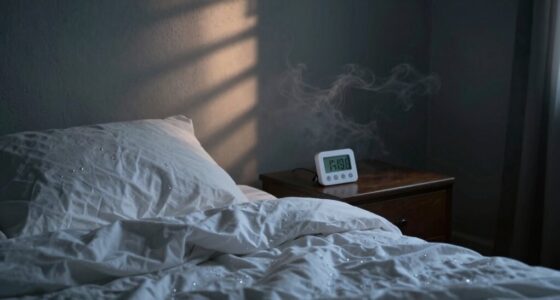
Even if your bedroom gadgets seem helpful, they can still disrupt your rest. Devices like smartphones, tablets, and smart lighting emit blue light that suppresses melatonin and delays sleep. Noise canceling headphones may block noise but can cause discomfort or increase awareness of internal sounds, making it harder to fall asleep. Overusing technology or relying on apps can interfere with your natural sleep rhythms. Keep exploring to discover how to create a sleep-friendly environment and use tech wisely.

Get health and wellness essentials delivered free — and shop member deals
- Fast, free delivery on millions of items
- Access to Prime Big Deal Days deals on October 6–7
- Prime Video, Amazon Music and more included
Key Takeaways
- Devices like smartphones and TVs emit blue light, suppressing melatonin and delaying sleep onset.
- Smart lighting, if misconfigured, can disrupt circadian rhythms and reduce sleep quality.
- Noise canceling devices may create a false sense of quiet, increasing awareness of internal sounds and causing discomfort.
- Excessive or improper use of electronics before bed stimulates the brain, hindering natural winding down.
- An electronics-minimized sleep environment supports healthier sleep rhythms and overall sleep quality.
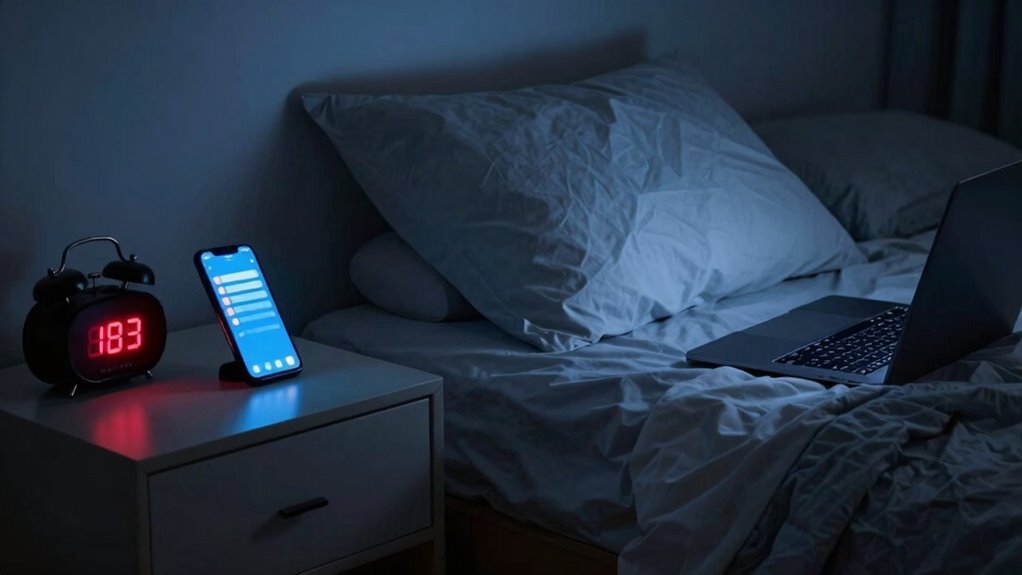
Despite their convenience, bedroom electronics like smartphones, tablets, and TVs are increasingly disrupting your sleep. They often seem helpful, offering comfort and convenience, but their presence can interfere with your body’s natural rhythms. For example, smart lighting might seem like a good idea, allowing you to customize your bedroom environment for relaxation or wake-up routines, but if not used carefully, it can hinder your ability to fall asleep. Bright or improperly timed lighting can suppress melatonin production, making it harder for you to drift off. Even dim, blue-toned lights from screens or smart bulbs can disrupt your circadian rhythm, leading to poorer sleep quality.
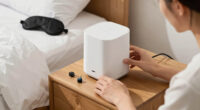
Noise canceling devices are another example of technology that appears beneficial but can sometimes have unintended consequences. While they block out distracting sounds and help you focus or relax, they can also create a misleading sense of quiet that might make you more aware of other noises or your own breathing, which can hinder sleep. Plus, some noise canceling headphones or devices are bulky, which might make it uncomfortable to find a good sleeping position. When used improperly, they can cause discomfort or even increase anxiety, making it harder to settle into restful sleep.
You might think that these devices are helping you manage your environment, but in reality, they often contribute to sleep disruptions if not configured correctly. For example, setting your smart lighting on a schedule that mimics natural sunset and sunrise can promote better sleep, but if the timing is off or the light is too bright, it can do the opposite. Similarly, relying heavily on noise canceling devices to block out external noise might seem like a good solution, but if they are too loud or if you become dependent on them, they could interfere with your natural ability to fall asleep without assistance. Additionally, electronic device usage before bed can negatively impact sleep quality by stimulating your brain and making it harder to wind down. Incorporating sleep hygiene practices such as limiting screen time before bed can significantly improve sleep quality.
It’s also important to recognize that sleep environment plays a crucial role, and technology should complement rather than replace traditional sleep-promoting practices. Creating a calming environment free from excessive electronics can help reinforce your body’s natural signals and rhythms. Moreover, the presence of electronics emitting blue light can delay sleep onset and reduce overall sleep efficiency. The key to avoiding these pitfalls is to use bedroom electronics mindfully. Keep smart lighting dim or off during bedtime, and consider using warm, soft tones if you want some illumination. Limit your dependency on noise canceling devices, especially if they cause discomfort or anxiety. Instead, try creating a calming environment with minimal technology, allowing your body’s natural signals and rhythms to take over. Remember, these gadgets are tools, not sleep solutions. When used thoughtfully, they can enhance your sleep, but if misused or overused, they can just as easily become sources of disturbance.
blue light blocking glasses for sleep
As an affiliate, we earn on qualifying purchases.
As an affiliate, we earn on qualifying purchases.
Frequently Asked Questions
How Do Electronic Devices Affect Sleep Quality Long-Term?
Electronic devices negatively impact your long-term sleep quality by increasing screen time and fostering device addiction. Excessive use before bed exposes you to blue light, which hampers melatonin production, making it harder to fall asleep and stay asleep. Over time, this disruption can lead to chronic sleep issues, affecting your mood, concentration, and overall health. To improve sleep, limit device use at least an hour before bedtime and create tech-free zones.
Can Certain Electronic Settings Improve Sleep Rather Than Disrupt It?
Yes, certain electronic settings can improve your sleep environment. You can adjust device ergonomics by enabling blue light filters or night mode, reducing eye strain and melatonin disruption. Turning off notifications and using sleep modes helps minimize distractions, creating a calmer sleep environment. These small changes support better rest, ensuring your electronics work for you rather than against you, promoting healthier sleep patterns over time.
Are There Safe Levels of Device Usage Before Bed?
Is there a magic number for device use before bed? Not exactly, but you can find a safe zone. Keep screen brightness low and avoid prolonged exposure to blue light. Focus on device ergonomics to prevent strain, and aim to turn off electronics at least 30 minutes before sleep. Creating this boundary helps your brain unwind, improving your rest without sacrificing the convenience of technology.
Do Blue Light Filters Fully Mitigate Sleep Disruption?
Blue light filters can help reduce sleep disruption caused by screens, but they don’t fully eliminate it. Blue light still impacts your circadian rhythm, making it harder to fall asleep even when using filters. To improve your rest, limit screen time before bed and consider other habits like reading or relaxing without electronics. While filters are helpful, they shouldn’t be your only strategy for protecting your sleep.
How Can I Reduce Electronic Disturbance During Sleep?
To reduce electronic disturbance during sleep, you should focus on device placement and your sleep environment. Keep devices outside your bedroom or turn them off an hour before bed. Use a dedicated, calming sleep environment free of screens, and consider unplugging gadgets that emit light or noise. Limiting device exposure helps your body produce melatonin naturally, improving your sleep quality and overall restfulness.
As an affiliate, we earn on qualifying purchases.
Conclusion
Remember, your bedroom should be a sanctuary of silence and serenity, not a battleground of blinking screens and beeping devices. These electronics, while seeming helpful, can sneakily steal your peaceful slumber like mischievous shadows in the night. By shutting them down and creating a tech-free zone, you open the door to restful dreams and rejuvenating sleep. Protect your sleep oasis—let the quiet whisper of darkness cradle you into a night of true rest.
noise canceling sleep headphones
As an affiliate, we earn on qualifying purchases.
As an affiliate, we earn on qualifying purchases.
As an affiliate, we earn on qualifying purchases.
Fall Picks
fall essentials
As an affiliate, we earn on qualifying purchases.