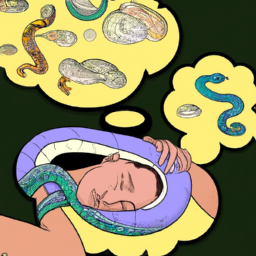
Experiencing a lack of voice in your dreams is common and often happens during vivid states like lucid dreaming or sleep paralysis. During these moments, your brain temporarily suppresses speech or control, making it feel like you can’t talk even when you’re aware of the dream. This sensation reflects how certain sleep states block out parts of consciousness, especially speech, as a natural response. If you want to discover why this happens and how to cope, keep exploring these fascinating processes.
Key Takeaways
- Voiceless dreams often occur during vivid sleep states like lucid dreaming or sleep paralysis, where speech centers are suppressed.
- The brain’s regulation during these states temporarily disconnects speech, creating a feeling of being unable to speak.
- Recognizing the experience as temporary can reduce anxiety and help you consciously attempt to regain your voice.
- During sleep paralysis, focusing on breathing or mental exercises may help restore control and speech.
- These episodes reflect normal brain processes and do not impact your waking ability to speak.

Dreams where you find yourself mute or voiceless can be unsettling, leaving you feeling helpless or unheard. You might want to shout for help or express yourself, but words refuse to come out. This sensation often occurs during vivid dreams, especially in states of lucid dreaming or sleep paralysis. When you’re lucid dreaming, you’re aware that you’re dreaming, but even with that awareness, your ability to speak can still be blocked. It’s as if your mind intentionally keeps your voice silent, perhaps as a way to reflect feelings of powerlessness or fear. Sleep paralysis, on the other hand, is a common cause of feeling voiceless in dreams. During sleep paralysis, your body is temporarily unable to move, often while you’re falling asleep or waking up. This paralysis can extend into your dreams, making you feel trapped, unable to scream or call out, even though you desperately want to.
Understanding why these experiences happen helps you realize they’re often rooted in your brain’s natural processes. When you’re lucid dreaming, your brain is highly active, but the parts responsible for speech might be less engaged, or you may subconsciously suppress your voice. This can create that frustrating feeling of being muted, even though you’re aware of your surroundings. Sleep paralysis adds another layer to this, as your brain remains alert while your body stays immobilized. This disconnection can amplify the sensation of voicelessness, making it seem as if your voice is blocked or shut down completely. It’s not that you can’t speak in waking life; rather, your brain temporarily inhibits speech centers during these episodes. Additionally, these episodes are thought to be connected to the brain’s neurophysiological regulation of sleep and consciousness.
These experiences can be distressing, but they also offer insight into the complex relationship between consciousness and sleep states. In some cases, lucid dreaming allows you to recognize that you’re dreaming and even alter the dream’s course. If you find yourself voiceless in a lucid dream, you might try consciously willing your voice to return or speak through the dream. During sleep paralysis, techniques like focused breathing or mental exercises can sometimes help you regain control and reduce feelings of helplessness. Over time, understanding these phenomena can lessen your anxiety about them, making it easier to navigate these experiences without panic.
In essence, being mute or voiceless in dreams is a common, natural part of the subconscious landscape. Whether it’s a feature of lucid dreaming or sleep paralysis, it reflects how your mind processes the boundaries of consciousness, speech, and control during sleep. Recognizing that these episodes are temporary and not reflective of your waking abilities can help you feel more empowered and less distressed when they occur.
Top picks for "mute voiceles speak"
Open Amazon search results for this keyword.
As an affiliate, we earn on qualifying purchases.
Frequently Asked Questions
Can Dreaming About Being Mute Indicate Emotional Repression?
Dreaming about being mute can indicate emotional repression, as your subconscious fears may be surfacing through this symbol. It suggests you might be suppressing feelings or ideas you find difficult to express. Your dreams serve as a mirror to unresolved emotional suppression, revealing hidden anxieties. Recognizing these signals helps you understand and confront your feelings, ultimately allowing you to open up and communicate more freely in your waking life.
Do Cultural Beliefs Influence Dreams About Being Voiceless?
Ever wonder if cultural beliefs shape your dreams about being voiceless? They definitely do. Your cultural symbolism and belief systems influence how you interpret and experience such dreams. If your culture emphasizes silence or communication barriers, you might be more prone to dream of being mute. These dreams mirror your subconscious perceptions rooted in your cultural background, highlighting how deeply your beliefs can impact even your dream world.
Is There a Link Between Sleep Disorders and Voiceless Dreams?
Yes, there’s a link between sleep disorders and voiceless dreams. Sleep paralysis often causes you to feel trapped and unable to speak during REM cycles, making you feel voiceless. Similarly, REM behavior disorder can disrupt normal muscle atonia, leading to vivid, sometimes silent, dream experiences. These conditions interfere with your ability to voice yourself in dreams, highlighting how sleep disorders impact dream content and your sense of self during sleep.
How Common Are Dreams Where I Cannot Speak?
Imagine trying to shout through a thick fog—that’s how common dreams where you can’t speak are. You might experience these silent struggles frequently, especially if you’re dealing with sleep deprivation, which can heighten nightmare frequency. These dreams aren’t rare; many people face them during stressful times or irregular sleep. Your mind’s way of processing unresolved fears, making silence feel like the only option in your subconscious theater.
Can Recurring Voiceless Dreams Suggest Unresolved Psychological Issues?
Recurring voiceless dreams can suggest unresolved psychological issues, as they often symbolize communication barriers or feelings of helplessness. Your subconscious silence may reflect struggles with expressing yourself or fears of being unheard. These dreams highlight underlying emotional conflicts you might not realize consciously. Paying attention to these signals helps you address unresolved issues, encouraging you to explore your feelings and improve your ability to communicate openly and confidently.
Conclusion
In dreams, being mute or voiceless is surprisingly common—studies show about 82% of people experience it at least once. This suggests your mind might be exploring feelings of powerlessness or fear of expression. Remember, these moments are temporary and part of your subconscious processing. Next time you’re unable to speak in a dream, know you’re not alone—it’s just your mind’s way of working through emotions. Embrace it as a fascinating glimpse into your inner world.