

You might think older adults dream less, but that’s not entirely true. While they often report fewer and less vivid dreams, dreaming still continues. The main reason for less recall is poorer memory and disrupted sleep patterns, not fewer dreams. When sleep quality improves, dreams can become more noticeable. If you want to understand how sleep, memory, and age influence your dreaming, keep exploring—there’s more to discover about how you can reconnect with your dreams.
Key Takeaways
- Older adults often dream as frequently as younger people, but may recall dreams less clearly.
- Changes in sleep quality and fragmentation reduce dream vividness and recall, not necessarily dream occurrence.
- Memory decline with age can make dreams less memorable, giving the impression of fewer dreams.
- Improving sleep hygiene and managing stress can enhance dream recall and vividness in older adults.
- Dream frequency remains relatively stable; perception of fewer dreams is mainly due to decreased recall.

As people age, they often find themselves dreaming less frequently and vividly than they did in their younger years. This change can leave you wondering if it’s just a natural part of aging or if something more is going on. The truth is, your dreams might not be disappearing entirely; instead, they could be changing in ways that make them less noticeable or memorable. Many older adults believe they don’t dream at all anymore, but that’s rarely the case. Instead, it’s often a matter of how well you remember your dreams and how sleep quality shifts with age.
Memory recall plays a significant role here. As you age, your ability to remember dreams, especially upon waking, can diminish. This decline isn’t necessarily because you dream less, but because your brain becomes less efficient at capturing and storing those fleeting images. If you wake up during or just after REM sleep—the stage when most dreaming occurs—you’re more likely to remember your dreams. But if your sleep pattern becomes fragmented or if you wake up during lighter sleep stages, those vivid dreams may slip away before you have a chance to recall them. So, even if your dreams are still happening, they might not be as accessible to your conscious mind. Improving sleep hygiene and maintaining a consistent sleep routine can help reinforce your brain’s ability to retain dream memories, highlighting the importance of good sleep habits.
Sleep quality also influences how often and how vividly you dream. As you grow older, your sleep tends to become lighter, with more awakenings throughout the night. This fragmentation can disrupt the normal cycles of REM sleep, which are essential for dreaming. Poor sleep quality doesn’t just affect how rested you feel; it can also impact your ability to experience and remember dreams. When sleep isn’t restorative, your brain doesn’t spend enough time in the REM stage, making dreams less frequent or less vivid. Recognizing the impact of sleep cycles can be crucial for understanding how dreams are affected as we age. Additionally, maintaining healthy lifestyle habits, such as regular physical activity and managing stress, can also support better sleep quality and dreaming. Furthermore, some research suggests that dream intensity may decrease with age, but this is often linked to overall sleep health rather than a complete cessation of dreaming.
In reality, your dreams may not be as scarce as you think. They might be happening more often than you realize, but factors like memory recall and sleep quality determine whether you remember them. Recognizing this can change how you view aging and dreaming, encouraging you to focus on improving your sleep and mental alertness. So, don’t be quick to assume that dreaming has disappeared; instead, explore ways to improve your sleep and memory, and you might find your dreams returning in ways you hadn’t expected.

Sleepbox Sound White Noise Machine with 25 Soothing Sounds 10 Colors Warm Night Light 4 Brightness Levels 32 Volume Levels 5 Timer and Memory Function Perfect for Kids Adults Seniors Sleeping Black
【25 Soothing Sounds and 32 Adjustable Volume Levels】There are 25 non-looping soothing sounds for you to choose from–White…
As an affiliate, we earn on qualifying purchases.
As an affiliate, we earn on qualifying purchases.
Frequently Asked Questions
Do Dreams in Older Adults Influence Their Overall Mental Health?
Dreams in older adults do influence their overall mental health. When you dream, your brain engages in essential processes like memory consolidation and emotional processing. These functions help you manage stress, retain important information, and process feelings. If dreaming decreases, it might affect your mental well-being by impairing these processes. So, maintaining healthy sleep and dreaming patterns can support your cognitive health and emotional stability as you age.
Can Lifestyle Changes Increase Dreaming Frequency in Seniors?
Yes, lifestyle changes can boost dreaming frequency in seniors. Think of improving sleep hygiene as watering a garden—regular routines, avoiding caffeine, and creating a comfortable sleep environment nurture better dreams. Enhancing dream recall through keeping a dream journal also encourages more vivid dreaming. By prioritizing these habits, you may find yourself dreaming more often, enriching your nights and possibly supporting your overall mental well-being.
Are There Specific Dream Themes Common Among Older Adults?
You often notice older adults dreaming about familiar places or loved ones, reflecting common dream themes. Memory recall plays a significant role, as they frequently revisit past experiences. Emotional themes are also prevalent, with dreams exploring feelings of nostalgia, loss, or contentment. These themes help seniors process emotions and memories, making their dreams rich and meaningful, even if the frequency varies.
How Do Medications Affect Dreaming in Elderly Individuals?
You might notice that medications, especially sleep medications, can profoundly influence your dreams. Sometimes, medication side effects cause vivid or unusual dreams, or even disrupt your sleep cycle altogether. It’s a coincidence how certain drugs, like antidepressants or blood pressure meds, can alter dreaming patterns unexpectedly. If you observe changes in your dreams after starting a new medication, consult your doctor to explore options that minimize these effects while maintaining effective treatment.
Is There a Link Between Dreaming Patterns and Cognitive Decline?
You might notice that changes in dreaming patterns can be linked to cognitive decline. When you dream, your brain engages in memory consolidation and emotional processing, which are essential for mental health. As cognitive functions decline, these dreaming processes may become less vivid or frequent. So, altered dreaming patterns could signal shifts in cognitive health, highlighting the importance of understanding how sleep and dreams relate to overall brain function.

Garmin Index Sleep Monitor, Smart Sleep Band with Advanced Sleep Tracking and Recovery Metrics, S-M
Worn on the upper arm, this lightweight and breathable smart sleep band is available in two sizes for…
As an affiliate, we earn on qualifying purchases.
As an affiliate, we earn on qualifying purchases.
Conclusion
So, as you age, your dreams might not fade away like a distant memory, but rather change in frequency and content. Think of your dreams as a garden that requires different care over time—you might not see as many blooms, but they can still be vibrant and meaningful. Remember, your mind’s ability to dream remains, even if it’s a little quieter now. Embrace the changes, and keep nurturing that inner landscape.

JUBTIC Dream Journal – Hardcover Dream Notebook, Guided Dream Diary to Record and Track Your Dreams, Interpretations and Thoughts before Sleeping. Ideal Gift for Women, Girls, Men(Beige)
Create A Unique Diary Of Your Dreams: JUBTIC dream journal notebook is filled with prompts and tips to…
As an affiliate, we earn on qualifying purchases.
As an affiliate, we earn on qualifying purchases.
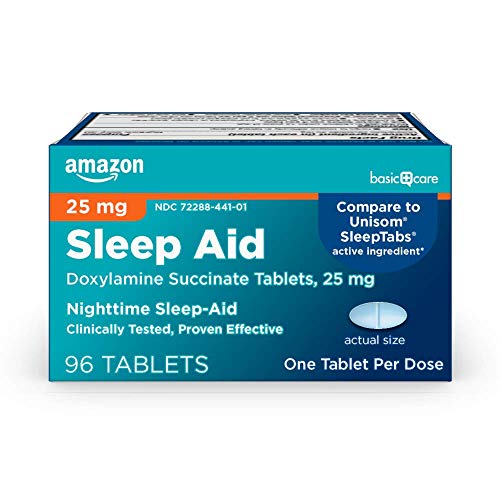
Amazon Basic Care Nighttime Sleep Aid Tablets for Adults, Doxylamine Succinate 25 mg, 96 Count
THE ACTIVE INGREDIENT in Amazon Basic Care Sleep Aid Tablets is doxylamine succinate 25 mg, a nighttime sleep…
As an affiliate, we earn on qualifying purchases.
As an affiliate, we earn on qualifying purchases.