

Outside stimuli like sounds and smells can definitely influence your dreams by being incorporated into their stories. Your brain processes these sensory inputs during sleep, blending them into dream content based on their significance or intensity. For example, a loud siren might turn into a police chase scene, or the smell of bread could evoke a cozy bakery dream. Want to discover how your environment shapes your dreams even more? Keep exploring to uncover the fascinating connection.
Key Takeaways
- External stimuli such as sounds and smells can be incorporated into dreams through sensory modulation.
- The brain evaluates stimulus significance, influencing whether external cues shape dream content.
- Loud or salient sounds are more likely to be woven into dreams, affecting vividness and scenarios.
- Smells can evoke memories and emotions, leading to their inclusion in dream narratives.
- External stimuli actively modify dreams, maintaining a connection between the environment and subconscious mental activity.

Have you ever wondered how outside stimuli shape your dreams? It’s a fascinating question because, during sleep, your brain doesn’t shut out the world entirely. Instead, it processes external cues like sounds, smells, and even tactile sensations, often weaving them into your dream experiences. This phenomenon is known as dream incorporation, where real-world stimuli become part of the dream narrative. Your brain’s ability to integrate these signals depends largely on sensory modulation—the way it filters and responds to incoming sensory information. When you’re deeply asleep, your sensory gates are less active, but certain stimuli can still slip through and influence your dreams.
Imagine hearing a siren outside your window while you sleep. That distant sound might subtly appear in your dream, maybe as a police chase or a fire truck racing through a city scene. The brain takes this external cue and incorporates it into the dream story, blending reality with imagination. This process isn’t random; it’s a dynamic interplay between external stimuli and your internal mental activity. The brain evaluates the significance or intensity of the stimulus, often giving precedence to more salient or loud sounds, which can lead to vivid dream imagery. In this way, sensory modulation plays a vital role—your brain adjusts its responsiveness based on the type and strength of stimuli, determining whether they become part of your dream or are ignored. Additionally, the technology of sensory adaptation influences how external stimuli are processed during sleep, affecting their likelihood of being incorporated into dreams.
External sounds influence dreams by blending reality with imagination through sensory modulation and stimulus evaluation.
Smells can also influence your dreams, although they’re less commonly discussed. A familiar scent, like fresh bread or a floral perfume, might trigger specific memories or emotions, which then find their way into your dreamscape. For instance, waking up to the smell of coffee might lead to a dream set in a cozy café, with the aroma enhancing the scene’s realism. The brain’s ability to modulate sensory input helps decide which external cues are incorporated into dreams and which are filtered out. This process varies from person to person, depending on factors like sleep stage, alertness, and individual sensitivity to sensory stimuli.
In essence, outside stimuli do more than just wake you up or disturb your sleep; they actively shape your dream content through dream incorporation. Your brain’s capacity for sensory modulation determines how much of the external world seeps into your subconscious experience. This ongoing dialogue between external cues and internal processes reveals that your dreams are not isolated mental events but are deeply connected to your environment. Understanding this connection can help you recognize how your surroundings influence your sleeping mind, making your dreams a reflection of both your inner world and the external universe around you.
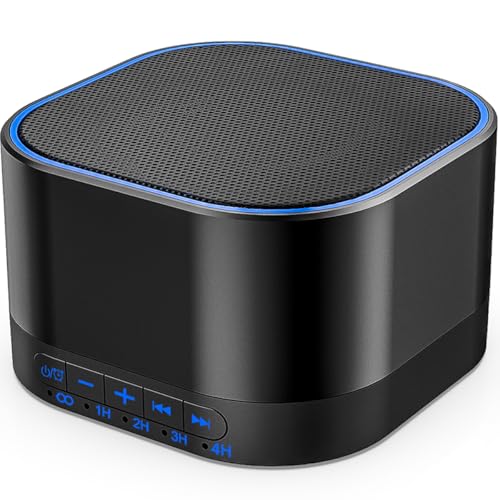
Magicteam Sound White Noise Machine with 20 Non Looping Natural Soothing Sounds and Memory Function 32 Levels of Volume Powered by AC or USB and Sleep Sound Timer Therapy for Baby Kids Adults
❤20 Non-Looping Sleep Sounds: White noise ,Brown noise, pink noise, blue noise, fan,brook, rain, ocean,bird and Bonfire,suitable for…
As an affiliate, we earn on qualifying purchases.
As an affiliate, we earn on qualifying purchases.
Frequently Asked Questions
Can Outside Stimuli Cause Vivid or Disturbing Nightmares?
Yes, outside stimuli like sounds or smells can cause vivid or disturbing nightmares. When your senses pick up these stimuli, your brain may incorporate them into your dreams, making them more intense or unsettling. Sensory adaptation might lessen this effect over time, but if stimuli are strong or persistent, they’re more likely to influence dream content. This can also impact dream recall, making it easier to remember particularly vivid or disturbing dreams.
Do Individual Differences Affect Sensitivity to External Dream Influences?
Your personal sensitivity to outside stimuli varies more than the weather, making you uniquely receptive to external dream influences. Sensory variability means some people are almost immune, while others are deeply affected by sounds or smells during sleep. This individual difference shapes how external stimuli influence your dreams, with heightened sensitivity amplifying vividness or disturbance, whereas lower sensitivity lessens their impact. Embrace your unique sensory makeup to better understand your dream world.
Are There Specific Sounds or Smells More Likely to Alter Dreams?
Certain sounds and smells are more likely to influence your dreams through sensory modulation. Sudden or loud noises can cause dream modulation, making your dreams more vivid or disruptive. Similarly, pleasant or familiar scents might promote positive dream content, while unfamiliar or unpleasant smells could trigger negative or confusing dreams. Your sensitivity to these stimuli varies, but understanding which stimuli impact dreams helps you better manage your sleep environment for more restful, less disturbed sleep.
How Quickly Do External Stimuli Impact Dream Content Upon Exposure?
Your mind is a lightning-fast supercomputer, so external stimuli can influence your dreams almost instantly. As soon as you’re exposed to sounds or smells, sensory integration kicks in, leading to rapid dream modulation. Within seconds, these outside cues can seep into your dreamscape, altering themes or emotions. The brain’s incredible ability to adapt means you might even wake up feeling like your dreams were molded by those very stimuli.
Can External Stimuli Influence Dreams During Different Sleep Stages?
Yes, external stimuli can influence dreams during different sleep stages. Your brain engages in sensory integration, even during REM and non-REM sleep, allowing sounds or smells to subtly shape your dream content. These stimuli interact with your sleep architecture, sometimes causing brief awakenings or shifts in dream themes. So, what you experience outside your body can actively influence your dreams across various sleep stages, blending external cues with internal imagery.

URPOWER 300ml Sleep Diffuser for Bedroom, All-Night Essential Oil Diffuser, Quiet Ultrasonic Cool Mist, Auto-Off & Timer, 7 LED Color Diffusers Humidifier for Home Office & Large Rooms
Elegant Faux-Ceramic Design for Modern Bedrooms: Elegant faux-ceramic body with a high-end, minimalist look that blends into bedroom,…
As an affiliate, we earn on qualifying purchases.
As an affiliate, we earn on qualifying purchases.
Conclusion
So, next time you drift into sleep, remember that outside sounds or scents can softly weave into your dreams, like whispers dancing through a quiet night. They’re the unseen painters adding color and texture to your subconscious canvas. Your environment becomes a silent conductor, guiding the symphony of your dreams. Embrace these subtle influences, for in the domain of sleep, even the faintest stimuli can paint vivid stories that linger long after you wake.
Magicteam Sound White Noise Machine with 20 Non Looping Natural Soothing Sounds and Memory Function 32 Levels of Volume Powered by AC or USB and Sleep Sound Timer Therapy for Baby Kids Adults
❤20 Non-Looping Sleep Sounds: White noise ,Brown noise, pink noise, blue noise, fan,brook, rain, ocean,bird and Bonfire,suitable for…
As an affiliate, we earn on qualifying purchases.
As an affiliate, we earn on qualifying purchases.

MOXĒ Smell Training Kit, Made in USA, 4 Essential Oils, Olfactory Regeneration, Helps Restore Sense of Smell, Natural Therapy for Smell Loss, Lemon, Rose, Clove, Eucalyptus, Guidebook, Personal Log
Made in the USA. This kit includes four essential oil aromas that are recommended by scientists & doctors…
As an affiliate, we earn on qualifying purchases.
As an affiliate, we earn on qualifying purchases.