When you dream about food and drinking, it often symbolizes your emotional needs, personal growth, or social connections. Eating can reflect feelings of satisfaction or emotional nourishment, while drinking may reveal your desire for clarity or escape from stress. The specific foods and how you consume them also carry cultural and personal meanings. To better understand what these symbols say about your subconscious, keep exploring the messages behind your dreams.
Key Takeaways
- Food in dreams often reflects emotional needs, personal growth, or desires for satisfaction and nourishment.
- Eating and drinking symbolize emotional states, such as comfort, fulfillment, or the desire to escape stress.
- Sharing food indicates social bonds and relationship dynamics, while eating alone may suggest loneliness or independence.
- The type and quality of food (sweet, bitter, spoiled) reveal feelings of satisfaction, dissatisfaction, or unresolved issues.
- Drinking in dreams can represent clarity, renewal, or overindulgence, influenced by cultural attitudes toward alcohol and hydration.
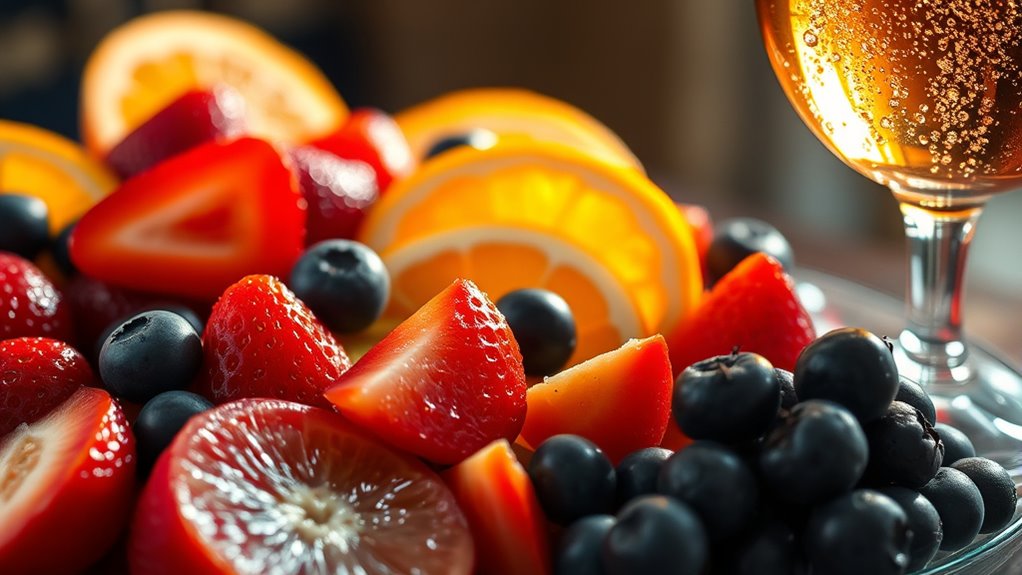
Dreams often feature food, revealing more than just cravings or hunger; they can symbolize nourishment, satisfaction, or even emotional needs. When you see yourself eating in a dream, it’s not just about physical sustenance. Instead, it often reflects your emotional state, personal growth, or desires. Food symbolism in dreams varies widely across cultures, and understanding these cultural interpretations can help you decode what your subconscious is trying to tell you. For example, in some traditions, eating rich or luxurious foods might symbolize abundance and prosperity, while in others, it could suggest overindulgence or greed. Recognizing these cultural nuances allows you to interpret your dreams more accurately, considering your background and personal experiences.
Dreaming of food reflects emotional needs and personal growth across cultures.
If you dream of sharing a meal with others, it often points to your relationships and social connections. Such dreams could be highlighting a need for community, intimacy, or collaboration. Conversely, dreaming of eating alone might symbolize feelings of loneliness or a desire for independence. The type of food you consume also matters; sweet treats might represent pleasure, reward, or emotional comfort, whereas bitter or spoiled foods can indicate dissatisfaction, guilt, or unresolved conflicts. These symbols are not universal, but they carry significant meaning within the context of your life and cultural beliefs. For instance, in some cultures, bread is a deeply spiritual symbol, representing life and sustenance, while in others, it might symbolize stability and security. Additionally, understanding the psychological significance of food in dreams can provide deeper insights into your subconscious motivations.
Drinking in dreams carries its own set of meanings. Sipping water could symbolize clarity, renewal, or emotional refreshment, while excessive drinking might point to escapism or emotional overwhelm. Alcohol in dreams often signifies a desire to relax or escape from stress, but it can also warn of overindulgence or dependency if it appears excessively. Cultural interpretations of drinking vary as well; in some societies, alcohol is associated with celebration and social bonding, while in others, it may carry negative connotations. Recognizing your cultural perspective helps you understand whether these dream symbols reflect your inner desires or external pressures. Ultimately, food in dreams is a powerful language of the subconscious, embodying much more than physical needs. By paying attention to food symbolism and cultural interpretations, you can gain insight into your emotional health, relationships, and personal growth. Your dreams serve as a mirror, revealing hidden aspects of yourself that you might not be consciously aware of. Understanding these symbols allows you to navigate your waking life with greater self-awareness and clarity.

Food Heals: Physical, Emotional & Spiritual Stories to Nourish Your Soul and Transform Your Health
As an affiliate, we earn on qualifying purchases.
As an affiliate, we earn on qualifying purchases.
Frequently Asked Questions
Can Food in Dreams Indicate Upcoming Health Issues?
Food in dreams can sometimes indicate upcoming health issues through dream nourishment and health warnings. If you notice unusual or spoiled food in your dreams, it might be a sign to pay attention to your physical well-being. These dreams could serve as subconscious alerts, prompting you to seek medical advice or adopt healthier habits. Trust your intuition and consider any emotional or physical signs in your waking life.
Do Different Types of Food Have Different Symbolic Meanings?
You might see a juicy apple or a crusty loaf, and each holds unique food symbolism. Different types of food in dreams reflect your emotional and spiritual needs through dietary interpretations. Sweet treats can symbolize pleasure or rewards, while bitter or spoiled food warns of dissatisfaction or unresolved issues. Your subconscious whispers through these symbols, urging you to explore your feelings and desires hidden behind the varied flavors of your dreams.
How Do Cultural Differences Influence Food Symbolism in Dreams?
You’re influenced by cultural culinary traditions and regional food symbolism when interpreting your dreams. Different cultures assign unique meanings to foods, so what you see in your dreams reflects your background and experiences. For example, rice might symbolize prosperity in Asian cultures, while bread could represent sustenance in Western traditions. These cultural nuances shape how you perceive and interpret food-related symbols in your dreams, offering deeper personal insight.
Are Recurring Food Dreams Linked to Specific Emotional States?
Recurring food dreams often link to emotional triggers and subconscious needs. When you repeatedly dream about specific foods, it may reflect unresolved feelings or desires you’re not fully aware of. These dreams act as signals, urging you to address emotional stress or unmet needs. By paying attention to the foods and context, you can better understand your emotional state and work towards fulfilling those subconscious desires.
Does the Context of Eating in a Dream Affect Its Interpretation?
Yes, the context of eating in your dreams can dramatically change their interpretation, like a tiny seed blossoming into a massive tree. Contextual nuances—such as who you’re eating with, what you’re eating, and where you are—shape the emotional significance. These details help reveal your subconscious feelings and concerns, turning a simple act of eating into a complex message about your desires, fears, or needs.

The Gourmet Choice Gift Basket by Wine Country Gift Baskets
MAKE SHARING THE JOY EFFORTLESS: This generous gift basket is brimming with an assortment of delights that will…
As an affiliate, we earn on qualifying purchases.
As an affiliate, we earn on qualifying purchases.
Conclusion
As you wake from your dream, picture the empty plate or the overflowing bowl, each symbol whispering your subconscious cravings. Food in dreams paints a vivid scene—your desires, nourishment, or emotional hunger—like a feast spread out before you in a quiet, flickering candlelit room. Remember, what you eat in dreams reflects what you seek in life—comfort, fulfillment, or connection. Embrace these symbols, and let them guide your waking journey toward satisfaction and understanding.

Sahara Sailor Water Bottle 32oz, Durable and Leakproof Water Bottles Motivational with Time Marker, Tritan, BPA Free, Wide Mouth with Easy Clean Brush for Gym, Travel, Home, School, Office (1 Bottle)
Stay Hydrated Throughout the Day: staying hydrated is often easier said than done. With the Sahara Sailor clear…
As an affiliate, we earn on qualifying purchases.
As an affiliate, we earn on qualifying purchases.

Recess Mood Magnesium & Adaptogen Drink, Relaxation Beverage, 12 Ounce (Variety Pack, 12 Pack)
RELAX AND UNWIND: A magnesium and adaptogen-infused sparkling water to help you unwind.
As an affiliate, we earn on qualifying purchases.
As an affiliate, we earn on qualifying purchases.