TL;DR

Get health and wellness essentials delivered free with Prime
- Fast, free delivery on millions of items
- Prime Video, Amazon Music and more included
- Member-only deals all year
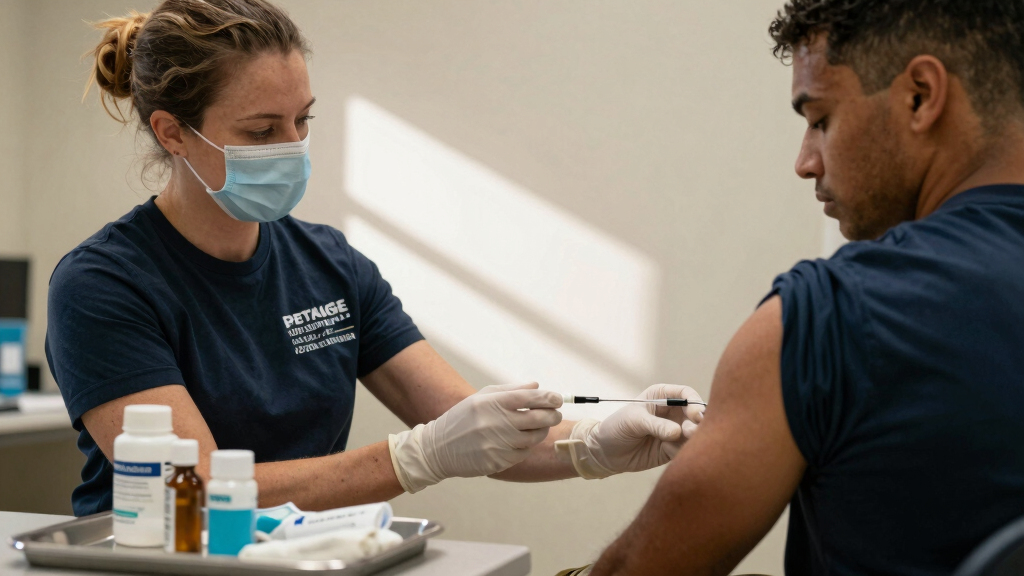
The Pentagon has reinstated mandatory flu shots for all recruits after an outbreak at boot camp. This move aims to control the spread of influenza among new military personnel amid ongoing health concerns.
The Pentagon has reinstated the requirement for all new military recruits to receive flu vaccinations, following a recent outbreak of influenza at a boot camp facility. This decision aims to prevent further spread of illness among recruits and maintain readiness.
The Department of Defense announced on March 2024 that all incoming recruits must now receive the influenza vaccine before beginning basic training. The move comes after reports of a significant flu outbreak at a military boot camp that affected hundreds of recruits. The outbreak prompted health officials to temporarily suspend the vaccination requirement, but the Pentagon has now reversed that decision to bolster health measures. The outbreak was confirmed by military health officials, with no reported fatalities but dozens of hospitalizations. This situation highlights the importance of vaccination policies in the military. The vaccine mandate applies to all new recruits entering basic training facilities across the United States. The decision aligns with recommendations from the Centers for Disease Control and Prevention (CDC), which advocates for annual flu vaccinations for military personnel as a standard health measure.
Implications for Military Readiness and Public Health
Reinstating mandatory flu shots underscores the military’s focus on maintaining operational readiness amid health threats. Learn more about recent military vaccination policies. The outbreak highlights vulnerabilities in disease control within densely populated training environments. This move may influence vaccination policies across other military branches and could set a precedent for future health protocols during infectious disease outbreaks, emphasizing the importance of vaccination in safeguarding troop health and national security.
Products Worth Considering

Garmin Forerunner 170 GPS Running Smartwatch Bundle, Whitestone

Fitbit Sense 2 Health and Fitness Smartwatch, Shadow Grey/Graphite

TheraGun Therabody Relief Massage Gun – 3 Speed, Black
As an affiliate, we earn on qualifying purchases.
Recent Outbreaks and Military Vaccination Policies
Influenza outbreaks periodically affect military populations, particularly in close-quarters environments like boot camps. In 2022, the Pentagon temporarily relaxed vaccination requirements during the COVID-19 pandemic but has since returned to standard health protocols. The recent outbreak at a specific boot camp, which affected over 200 recruits, prompted swift action from military health officials. Historically, the military has maintained high vaccination rates, but recent years have seen debates over mandatory immunizations, especially during pandemic conditions. The CDC recommends annual flu vaccinations for military personnel, and the Pentagon’s recent decision reflects this guidance amid ongoing health concerns.
“Reinstating mandatory flu vaccinations is a necessary step to protect our recruits and ensure readiness across our forces.”
— Pentagon spokesperson
Unresolved Questions About Outbreak Scope and Future Measures
Details about the exact number of infected recruits, the specific strains involved, and the duration of the outbreak are still emerging. This outbreak underscores the need for effective health measures in military settings. It is unclear whether the outbreak was linked to vaccine refusal or other factors. Additionally, it remains uncertain if similar measures will be extended to other military training facilities or if additional health protocols will be implemented.
Next Steps for Military Health Policies and Outbreak Monitoring
The Pentagon will likely monitor the effectiveness of the reinstated vaccination policy and assess whether further health measures are needed. Recruits will be required to receive the flu shot before starting training, with health officials planning ongoing surveillance for influenza cases. Updates on outbreak containment and any adjustments to health protocols are expected in the coming weeks.
Key Questions
Why did the Pentagon temporarily suspend the flu vaccination requirement?
The suspension was part of broader health policy adjustments during the COVID-19 pandemic, but it was not related to the influenza outbreak.
How many recruits were affected by the outbreak?
Over 200 recruits were reported to have contracted influenza during the outbreak, with dozens hospitalized but no fatalities reported.
Will the vaccination requirement apply to existing recruits?
No, the mandate applies only to new recruits entering basic training facilities at this time.
Could this outbreak lead to broader changes in military health policies?
Yes, the outbreak and subsequent response could influence future vaccination policies and health protocols across all branches of the military.
Is the flu vaccine mandatory for civilians in the same way?
No, the flu vaccine is generally recommended but not mandatory for civilians, except in certain healthcare or vulnerable populations.
Source: google-trends