
If you wake up stiff, your pillow might be the cause. An improper pillow firmness or shape can misalign your neck and spine, leading to soreness and stiffness. Soft pillows may not provide enough support, especially if you’re a side or back sleeper, while firm pillows might cause pressure points. Adjusting your pillow to match your sleeping position and ensuring it’s supportive can help reduce morning tension. Keep exploring to discover more ways to improve your sleep comfort and alignment.

Get health and wellness essentials delivered free — and shop member deals
- Fast, free delivery on millions of items
- Access to Prime Big Deal Days deals on October 6–7
- Prime Video, Amazon Music and more included
Key Takeaways
- An improper pillow firmness can cause neck misalignment, leading to morning stiffness.
- Using a pillow that doesn’t match your sleeping position may create unnatural neck angles.
- Soft pillows for side or stomach sleepers can result in insufficient support and stiffness.
- Adjusting pillow firmness and material can improve support and reduce morning discomfort.
- Persistent stiffness may indicate the need to reassess pillow support and ergonomics.
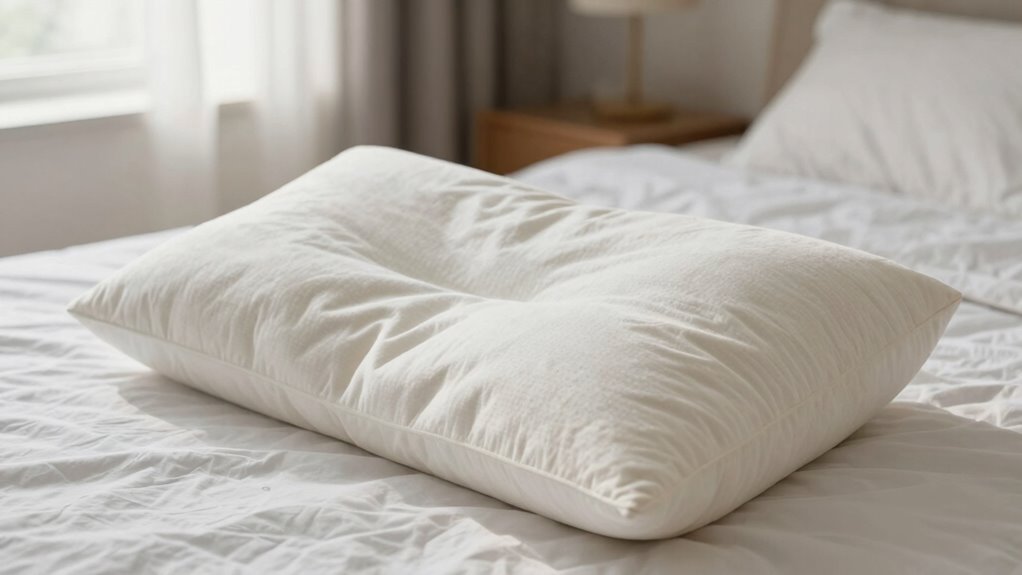
If you wake up feeling stiff and sore, your pillow might be the culprit. The right pillow can make a significant difference in how you feel in the morning, especially when it comes to pillow firmness and your sleeping position. The pillow’s firmness plays a vital role in supporting your neck and spine properly. If it’s too soft, your head might sink too deeply, causing misalignment that leads to stiffness. Conversely, if it’s too firm, it can create pressure points that strain your neck and shoulders. The key is finding a balance that keeps your head supported without forcing it into uncomfortable angles.
Choosing the right pillow firmness supports proper alignment and prevents morning stiffness.
Your sleeping position heavily influences the type of pillow you should choose. If you sleep on your back, you generally need a medium-firm pillow that supports the natural curve of your neck while keeping your head aligned with your spine. Too soft, and your head will tilt backward, causing tension in your neck muscles. Too firm, and it might push your head forward, leading to discomfort. If you sleep on your side, you require a firmer pillow that fills the space between your shoulder and head, maintaining proper spinal alignment. A pillow that’s too soft won’t provide enough support, causing your neck to bend unnaturally, while an overly firm pillow can create pressure points and restrict blood flow.
For stomach sleepers, the goal is to use a very soft, thin pillow, or sometimes no pillow at all, to avoid neck strain. Sleeping in this position with a pillow that’s too thick or firm can cause your neck to bend at an awkward angle, resulting in stiffness and soreness. It’s essential to pay attention to your sleeping position because it guides your choice of pillow firmness. Adjusting your pillow to match your preferred sleeping posture can relieve tension and help you wake up feeling more refreshed. Additionally, cable failures in your sleep setup can contribute to discomfort if your sleep environment isn’t optimized. Recognizing the importance of proper support can help prevent unnecessary discomfort and promote better sleep quality. Moreover, the materials used in your pillow, such as memory foam or latex, can affect how well it conforms to your head and neck, impacting overall comfort. Furthermore, selecting a pillow made of appropriate materials can also impact your comfort and support levels during sleep.
Being aware of sleep ergonomics can guide you in choosing the right pillow and improve overall sleep health. In the end, it’s about listening to your body. If you notice persistent stiffness, it’s worth experimenting with different pillow firmness levels and adjusting your pillow to fit your sleeping position better. Remember, a good pillow isn’t just about comfort; it’s about supporting your body properly during sleep. Taking the time to find the right one will pay off, leaving you less stiff, more energized, and ready to face the day. Your sleep quality and overall comfort depend on it, so don’t overlook the importance of choosing a pillow that aligns with your sleeping habits and needs.
As an affiliate, we earn on qualifying purchases.
Frequently Asked Questions
Can Pillow Materials Affect Sleep Stiffness?
Yes, pillow material can affect your sleep stiffness. Different materials, like memory foam, latex, or down, offer varying support levels and firmness, which influence how your neck and shoulders align overnight. If your pillow’s material doesn’t suit your sleeping position or comfort preference, it can lead to stiffness upon waking. Choosing a pillow with the right material helps promote proper spinal alignment and reduces morning stiffness.
How Often Should I Replace My Pillow?
You should replace your pillow every 1 to 2 years to maintain good pillow maintenance and support your sleep hygiene. Over time, pillows collect dust, allergens, and lose their shape, which can cause morning stiffness. Regularly changing your pillow helps prevent these issues and promotes better sleep quality. Remember, investing in a new pillow periodically guarantees you wake up refreshed and reduces discomfort caused by worn-out materials.
Do Pillow Height and Firmness Matter?
Yes, pillow height and firmness matter because they affect your sleep position preferences and pillow aesthetics. A pillow that’s too high or firm can cause neck pain, while one that’s too soft or flat might lead to discomfort. Choosing the right height and firmness helps keep your spine aligned, improves comfort, and enhances your sleep quality. Consider your sleep position to select a pillow that supports your natural posture effectively.
Can Allergies Contribute to Morning Stiffness?
Absolutely, allergies can turn your mornings into a stiff, achy disaster. Allergy symptoms like congestion and inflammation disrupt your sleep quality, leaving you groggy and sore. Dust mites, pet dander, and pollen sneak into your bedding, making your body work overtime to fight off irritants, which can cause stiffness. So, if mornings feel like a battle, consider allergy triggers—your sleep quality might be paying the price.
Are There Specific Pillows for Neck Pain Relief?
Yes, there are specific pillows designed for neck pain relief. These pillows focus on pillow ergonomics, providing better support for your neck and aligning your spine. They help improve sleep posture by reducing strain and pressure on your neck muscles. Look for pillows with adjustable firmness or contouring features that match your sleep style, ensuring you maintain proper alignment throughout the night. This can notably decrease morning stiffness and discomfort.
medium firmness memory foam pillow
As an affiliate, we earn on qualifying purchases.
As an affiliate, we earn on qualifying purchases.
Conclusion
So, if stiffness snoops in each morning, don’t dismiss your pillow’s part. Pick a pillow that provides perfect support, prevents pain, and promotes peaceful, pain-free mornings. Remember, changing your pillow can be a simple switch that sparks significant, soothing shifts in your sleep and stiffness. Prioritize your pillow, and you’ll progress toward more peaceful, pain-free starts. Sleep soundly, stay supple, and start each day with a smile—your pillow’s power is truly paramount.
As an affiliate, we earn on qualifying purchases.
adjustable firmness pillow for neck pain
As an affiliate, we earn on qualifying purchases.
As an affiliate, we earn on qualifying purchases.
Cold & flu season Picks
humidifiers
As an affiliate, we earn on qualifying purchases.