
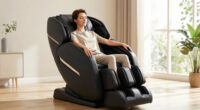
Weighted pressure can help you relax and feel secure, providing calming comfort initially. But if you become overwhelmed or sensory overload happens, that same pressure can feel oppressive or suffocating. Your sensory limits matter, and it’s important to recognize when the feeling shifts from soothing to uncomfortable. Adjusting or stepping away can prevent discomfort. To understand how your body responds and use weighted tools safely, keep exploring how to manage these fluctuating sensations.

Get health and wellness essentials delivered free with Prime
- Fast, free delivery on millions of items
- Prime Video, Amazon Music and more included
- Member-only deals all year
Key Takeaways
- Weighted pressure provides initial comfort and relaxation but can become overwhelming if sensory thresholds are exceeded.
- Overstimulation from constant pressure may lead to feelings of being trapped or overwhelmed.
- Recognizing signs of discomfort allows for timely adjustments to prevent sensory overload.
- Relaxation techniques like mindful breathing help reset the nervous system when pressure feels too intense.
- It’s important to listen to your body and modify or remove pressure to maintain safety and comfort.

Weighted pressure can feel comforting at first, providing a sense of security and deep relaxation. You might notice that the gentle, consistent pressure calms your mind and soothes your body, helping you unwind after a stressful day. It’s easy to feel drawn into this calming sensation, especially if you’re someone who craves tactile comfort. But as much as it can offer relief, there are times when that same pressure starts to feel overwhelming or even oppressive. When your senses become overloaded, that comforting weight can turn into a source of discomfort. Instead of relaxation, you might start to feel trapped, your mind racing as your sensory system struggles to process the constant input.
Weighted pressure offers comfort but can become overwhelming, turning relaxation into feelings of being trapped.
This sensory overload can trigger an emotional release you didn’t anticipate. What begins as a calming experience may suddenly feel suffocating or overwhelming. You could find yourself becoming more anxious or irritable, wishing the pressure would stop. It’s not that weighted pressure is inherently bad; it’s just that your body’s response varies from moment to moment. Sometimes, the sensation is exactly what you need, providing a grounding effect. Other times, it amplifies feelings of claustrophobia or fatigue, especially if your nervous system is already on high alert. Recognizing how sensory input impacts your nervous system can help you manage these fluctuations more effectively. Incorporating relaxation techniques such as mindful breathing or gentle stretching can help reset your sensory balance when needed. Paying attention to your sensory thresholds can help you better gauge when to adjust or remove the pressure.
It’s important to listen to your body’s signals. What initially felt soothing can quickly shift into discomfort if your sensory threshold is exceeded. You may find yourself craving that initial relief, but then feeling trapped by the very tool meant to help. This emotional release can be unsettling, as it reminds you that no matter how effective weighted pressure can be, it’s not a one-size-fits-all solution. Sometimes, the pressure intensifies feelings of vulnerability rather than alleviating them. Understanding how sensory input affects your nervous system can help you better tailor your relaxation strategies for maximum comfort. Additionally, awareness of sensory overload can guide you in creating a more balanced approach to relaxation.
If you start to feel overwhelmed, it’s okay to step away or adjust the weight. Recognizing when the pressure crosses the line from soothing to overstimulating is key. You might need to take a break or switch to a different relaxation technique. Remember, the goal is to support your well-being, not to push through discomfort. Weighted pressure can be a powerful tool for relaxation, but it’s essential to be mindful of how your body responds so that it remains a source of comfort rather than distress. Being aware of your sensory responses and how they influence your emotional state can help you use smart safety solutions more effectively and comfortably.
As an affiliate, we earn on qualifying purchases.
Frequently Asked Questions
How Do I Choose the Right Weight for Pressure Therapy?
To choose the right weight for pressure therapy, start by evaluating your comfort level; if it feels too tight or uncomfortable, reduce the weight. Opt for material choices that feel soft and breathable against your skin to avoid irritation. Gradually increase the weight until you find a balance where you feel supported without discomfort. Remember, the goal is gentle pressure that soothes, not causes pain or restriction.
Can Weighted Pressure Help With Anxiety or Sleep Issues?
You might find weighted pressure helpful for anxiety or sleep issues, as it creates calming sensations and supports sensory integration. While some worry it could be overwhelming, starting with a light weight and gradually increasing can enhance relaxation without overstimulation. This gentle pressure mimics a comforting hug, helping you feel grounded and secure. Just make sure you choose the right weight and monitor your response to avoid discomfort or overstimulation.
Are There Any Risks Associated With Using Weighted Pressure Devices?
Yes, there are risks with using weighted pressure devices if safety considerations aren’t followed. You could experience discomfort, skin irritation, or even restrict circulation if the device is too heavy or improperly fitted. To minimize risks, regularly check the device for wear and tear and maintain it properly. Always follow manufacturer instructions, and consult a healthcare professional if you experience persistent discomfort or adverse effects.
How Long Should I Wear Weighted Pressure Products Daily?
Like a delicate dance, you should limit your use of weighted pressure products to avoid sensory overload. Start with 15-20 minutes daily, gradually increasing if comfortable. Incorporate breathing techniques to stay grounded, ensuring it remains calming rather than overwhelming. Always listen to your body—if you feel discomfort or difficulty breathing, remove the device and rest. Regular breaks help prevent overstimulation and maintain the soothing benefits without risking strain.
What Signs Indicate I Should Stop Using Weighted Pressure Therapy?
You should stop using weighted pressure therapy if you experience increased stress relief, but also signs of sensory overload, such as dizziness, headaches, or feelings of anxiety. If the pressure causes discomfort or worsens your symptoms, it’s time to take a break. Always listen to your body and consult a healthcare professional if you’re unsure. Your well-being is the priority, so don’t ignore warning signs.
As an affiliate, we earn on qualifying purchases.
Conclusion
Just like a heavy coat can keep you warm—until it becomes a burden—you might find weighted pressure comforting at first, but it can eventually weigh you down. Remember, balance is key; what feels like support today can turn into a trap tomorrow. So, listen to your body’s whispers, not just its roars. Sometimes, shedding the weight is the only way to find your true strength, like a bird finally breaking free from its cage.
As an affiliate, we earn on qualifying purchases.
As an affiliate, we earn on qualifying purchases.
Halloween Picks
halloween
As an affiliate, we earn on qualifying purchases.