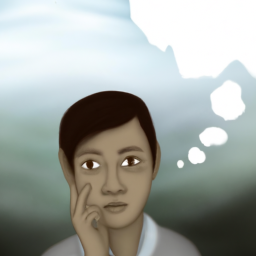
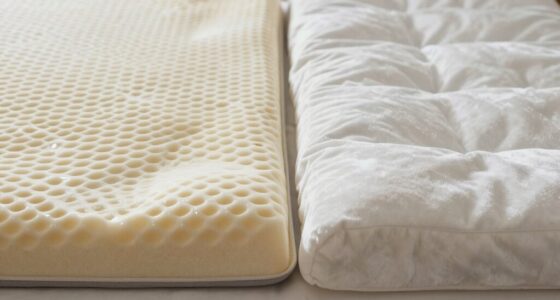
If you’ve recently stopped or reduced sleep medications that suppress REM sleep, you might experience REM rebound, which boosts REM cycles and causes vivid, bizarre dreams. This is your brain catching up on restful REM sleep it’s been missing. While unsettling, these intense dreams usually fade as your sleep patterns normalize. Understanding this process can help you manage the experience better. Keep exploring to learn how to ease this shift and support healthier sleep habits.
Key Takeaways
- REM rebound occurs after stopping sleep medications that suppress REM, leading to more vivid and intense dreams.
- Discontinuing sedative sleep drugs can trigger a temporary surge in REM activity, causing wild or bizarre dreams.
- Gradually tapering medication and maintaining good sleep hygiene can reduce the severity of vivid dreams.
- Recognizing that vivid dreams are a temporary effect of REM rebound helps in coping with them.
- Restoring normal sleep patterns over time diminishes the frequency and intensity of wild dreams.

If you’ve ever experienced a burst of intense, vivid dreams after suddenly stopping or reducing your sleep medication, you’re likely encountering REM rebound. This phenomenon happens when your brain responds to the absence of the medication that was suppressing REM sleep, leading to a temporary increase in REM cycles. As a result, your dreams become more vivid, often bizarre, and sometimes unsettling. Understanding why this occurs requires looking into sleep hygiene and medication effects, both of which influence the quality and patterns of your sleep.
Experiencing vivid, intense dreams after stopping sleep medication signals REM rebound and your brain’s attempt to restore normal sleep cycles.
Sleep hygiene involves habits and routines that promote restful, uninterrupted sleep. When you improve your sleep hygiene—such as maintaining a consistent sleep schedule, avoiding caffeine late in the day, and creating a calming bedtime routine—you can better regulate your sleep cycles. But if you’ve been relying on medication to manage sleep issues, your sleep hygiene might have been affected. Many sleep medications, especially those classified as sedatives or hypnotics, suppress REM sleep or alter normal sleep architecture. When these drugs are discontinued, your brain rebounds by increasing REM duration and intensity. This rebound is often accompanied by those vivid, sometimes surreal dreams you notice more intensely than before. It’s your brain’s way of catching up on REM sleep that was suppressed, but it can be quite startling if you’re not prepared for it.
The key to managing REM rebound and its associated vivid dreams is understanding the medication effects and practicing good sleep hygiene. Gradually tapering off medication under a healthcare provider’s guidance can help lessen the intensity of REM rebound. Additionally, establishing a consistent sleep routine supports your natural sleep cycles, making the transition smoother. Avoiding alcohol and caffeine near bedtime further stabilizes your sleep architecture, reducing the chances of disruptive dreams. Recognizing the importance of sleep architecture can help you better understand how your sleep patterns are affected and how to improve them. Gaining awareness of the impact of medications on your sleep can empower you to make informed choices about managing your sleep health. Being aware of how medications influence your sleep patterns can aid in preventing or managing rebound effects more effectively. Remember that sleep cycles are vital for achieving restorative rest and that disruptions to these cycles can lead to intense dreaming experiences.
In essence, while vivid dreams and REM rebound can be unsettling, they are temporary and signal that your brain is returning to a healthier sleep pattern. Recognizing the role of medication effects and prioritizing good sleep hygiene can help you navigate this phase with less discomfort. Over time, your sleep will normalize, and those wild dreams will become less frequent, giving way to more restful, restorative sleep.

Zen Sleep Essential Oil Roll On 10-ml – Calming Blend for Deep Sleep
- Essential Oil Sleep Blend: Proprietary calming essential oils
- Natural Fragrance: Lavender, rosemary, orange, and grapeseed oils
- Mess-Free Application: Pre-diluted for easy skin use
As an affiliate, we earn on qualifying purchases.
As an affiliate, we earn on qualifying purchases.
Frequently Asked Questions
Can REM Rebound Occur Without Noticeable Changes in Dream Intensity?
Yes, REM rebound can happen without noticeable changes in dream intensity. You might experience subtle shifts in your sleep patterns, which can enhance dream recall even if your dreams don’t seem more vivid. These changes often occur gradually, making it harder to notice. As your sleep cycle adjusts, your brain may become more efficient at recalling dreams, even if the dreams themselves don’t appear more intense.
How Long Does REM Rebound Typically Last After Sleep Deprivation?
REM rebound can last anywhere from a few nights up to a week after sleep deprivation, making your sleep cycles feel like a rollercoaster. During this period, your dream recall often skyrockets, and dreams become more vivid and intense. You might notice more frequent REM sleep stages, especially early in the night. This phase is your brain’s way of catching up, so stay patient as your sleep patterns normalize.
Are Certain Medications More Likely to Cause REM Rebound Dreams?
Certain medications, especially those for sleep disorders like antidepressants or sedatives, are more likely to cause REM rebound dreams. These drugs alter your sleep cycle, and stopping or adjusting them can lead to intense dreams or vivid REM rebound effects. Be aware of potential medication side effects, as they can influence your dreams. Always consult your doctor before changing your medication regimen, especially if you notice unusual or disturbing dreams.
Does REM Rebound Affect Everyone Equally Regardless of Age?
REM rebound doesn’t affect everyone equally; it’s like a roller coaster with unpredictable dips. Your age plays a role—older adults might notice it less, while younger folks often experience intense dream recall and vivid dreams. During REM rebound, sleep quality temporarily shifts, making dreams feel more vivid and memorable. So, your age and sleep patterns influence how strongly REM rebound impacts your dreams, but it’s not a universal effect.
Can Lifestyle Changes Reduce the Intensity of REM Rebound Dreams?
Yes, you can reduce the intensity of REM rebound dreams through lifestyle changes. Focus on improving your sleep hygiene by maintaining a consistent sleep schedule, avoiding caffeine and alcohol before bed, and creating a relaxing bedtime routine. These habits can help regulate your sleep cycles and improve dream recall, making your dreams less intense. Better sleep hygiene promotes balanced REM sleep, which can lessen the vividness of REM rebound dreams over time.
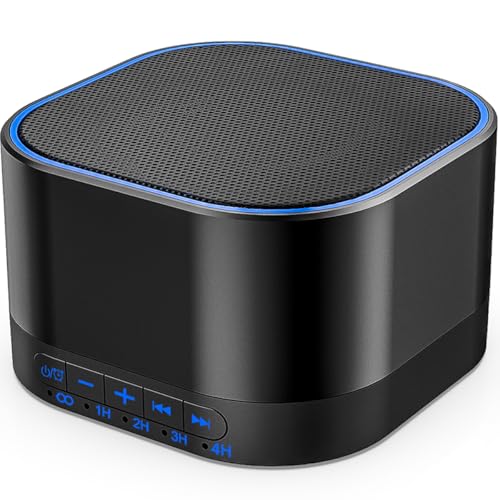
Magicteam Sound White Noise Machine with 20 Non Looping Natural Soothing Sounds and Memory Function 32 Levels of Volume Powered by AC or USB and Sleep Sound Timer Therapy for Baby Kids Adults
- Number of Sounds: 20 non-looping soothing sounds
- Sound Types: White, brown, pink, blue noise, and more
- Volume Levels: 32 adjustable volume levels
As an affiliate, we earn on qualifying purchases.
As an affiliate, we earn on qualifying purchases.
Conclusion
So, next time you wake up from a night full of wild, vivid dreams, remember—your REM rebound might be the culprit. It’s like your brain’s way of throwing a surprise party after a long silence, and honestly, it’s kind of thrilling. Just don’t forget, even in this age of smartphones, some mysteries of the mind are still better left ungoogled. Embrace the chaos, and who knows? Maybe your dreams are your own personal Renaissance Fair, waiting to be explored.

MyHalos® Sleep Mask for Men and Women, 3D Blackout Eye Masks for Sleep
- Complete Blackout Design: Blocks 100% light with contoured shape
- Enhanced Light Blocking: Improved 23mm nose bridge for better coverage
- Zero Eye Pressure: Deep 16mm eye cups prevent eyelid contact
As an affiliate, we earn on qualifying purchases.
As an affiliate, we earn on qualifying purchases.

ASAKUKI Essential Oil Diffuser for Home, 500ML Aromatherapy Humidifier
- Multi-functional Aromatherapy Device: Large 500ml water tank with multiple modes
- Customizable LED Lighting: 7 color options with fixed or cycle modes
- Quiet Operation: Ultra-quiet fan below 23 dB
As an affiliate, we earn on qualifying purchases.
As an affiliate, we earn on qualifying purchases.