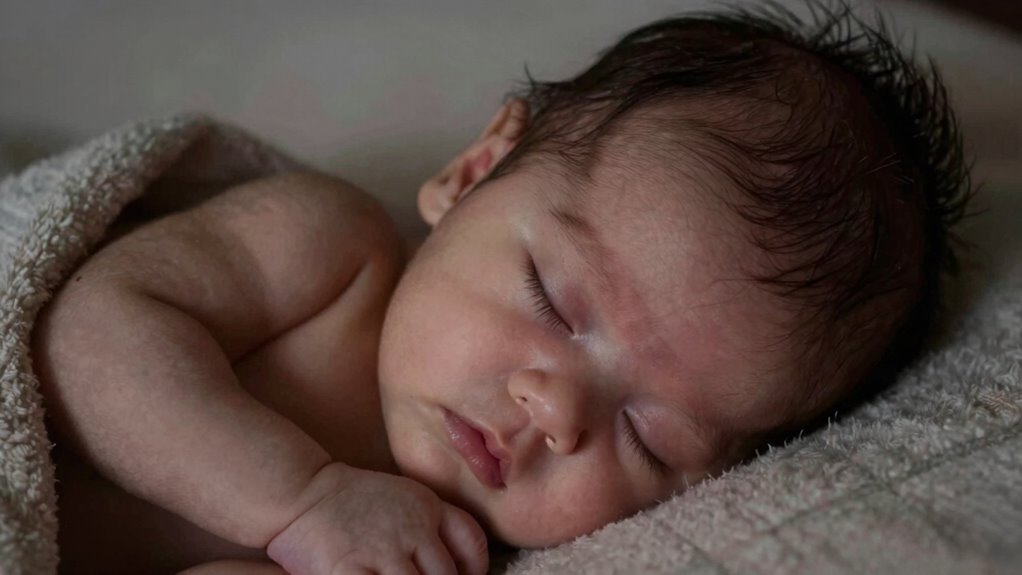

Your baby likely starts experiencing the basics of dreaming around six months old, when their sleep cycles begin to resemble adult patterns. At this stage, longer periods of non-REM sleep develop, and REM sleep continues to be important for brain growth. As their sleep becomes more organized, so does the potential for dreaming. If you’re curious about how sleep evolves further, keep exploring what science says about your baby’s sleep stages.

Get health and wellness essentials delivered free with Prime
- Fast, free delivery on millions of items
- Prime Video, Amazon Music and more included
- Member-only deals all year
Key Takeaways
- Babies spend a high proportion of sleep in REM, especially in the first few months, supporting early brain development.
- REM sleep, associated with dreaming in adults, is prominent in infants, indicating mental activity.
- Around six months, sleep cycles develop into more adult-like patterns, making dreaming more plausible.
- Longer non-REM sleep periods emerge by six months, with REM still present, allowing for more complex sleep experiences.
- The concept of dreaming becomes more relevant as sleep architecture matures, typically after six months of age.

Have you ever wondered when babies begin to dream? It’s a common question for new parents curious about their little one’s developing mind. The answer lies in understanding how the sleep cycle and REM development work in infants. When babies are born, their sleep patterns are quite different from adults. They spend most of their sleep time in a lighter, more active state called REM sleep, which is closely linked to dreaming in older children and adults.
In the early weeks, a newborn’s sleep cycle is short—typically around 50 to 60 minutes—and they cycle rapidly between REM sleep and non-REM sleep. During REM sleep, your baby’s brain activity becomes more intense, resembling the patterns seen during dreaming in older individuals. This suggests that even infants experience some form of mental activity during sleep, though they might not dream in the way adults do. As their brains develop, so does their ability to enter deeper stages of sleep, and their sleep cycle gradually lengthens.
Newborns have short, rapid sleep cycles with intense brain activity during REM, indicating early mental activity and development.
REM development is essential because it signifies that the brain is maturing and learning to process information. In the first few months, babies spend a significant portion of their sleep in REM—sometimes over 50%. This high proportion of REM sleep supports brain development, memory formation, and emotional regulation. Over time, as their sleep cycle matures, the amount of REM sleep decreases slightly, and they begin to experience more organized, longer periods of deep, non-REM sleep. But REM sleep remains an integral part of their sleep architecture, underpinning their cognitive growth.
While we can’t say for sure when babies start dreaming in the way adults understand it, we do know that by around six months, their sleep cycles become more similar to those of older children and adults. They begin to have longer periods of non-REM sleep, with REM sleep still present, indicating ongoing brain development. It’s at this stage that the idea of “dreaming” becomes more relevant to their sleep experience.
Products Worth Considering
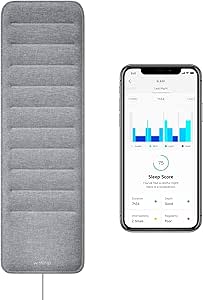
Withings Sleep Under-Mattress Sleep Tracking Pad

OMRON Complete 2-in-1 Upper Arm Blood Pressure Monitor with EKG

OMRON VIVA 360+ Body Composition Monitor and Smart Scale
As an affiliate, we earn on qualifying purchases.
Frequently Asked Questions
Do Babies Dream About Their Caregivers?
Yes, babies likely dream about their caregivers. As they develop, their dream content often includes familiar faces and experiences, which helps with caregiver recognition. You might notice your baby’s dreams feature you or other loved ones, reflecting their early attachment and emotional bonds. While we can’t know for sure, research suggests that even in sleep, babies process important social and sensory experiences related to their caregivers.
How Long Do Baby Dreams Last?
Baby dreams last only seconds, which might surprise you given how intense their sleep patterns seem. During early dream development, these fleeting moments happen during REM sleep, making their dreams brief yet fascinating. Despite their tiny duration, these dreams are vital for brain growth. So, while your little one’s dreams are short, they’re packed with key sleep pattern development, laying the groundwork for more vivid dreams as they grow.
Can Babies Remember Their Dreams?
You might wonder if babies remember their dreams, but their memory development is still in progress. Since their sleep patterns are different from adults, their ability to recall dreams is limited. As they grow, their memory improves, and they may start to remember some dreams. For now, focus on nurturing healthy sleep patterns, which support overall development, including their capacity to remember experiences later in life.
Do Different Sleep Stages Affect Baby Dreaming?
Different sleep stages shape a baby’s dream development like a painter’s palette, blending colors into a vivid picture. During REM sleep, your baby experiences active dreaming, while non-REM stages involve lighter sleep and less vivid dreams. This sleep cycle influences how dreams form and evolve, helping your little one process emotions and memories. Understanding these stages helps you support healthy sleep habits, nurturing their dream development and overall growth.
When Do Babies Start Experiencing REM Sleep?
You’ll notice that babies start experiencing REM sleep, where dreaming occurs, around 3 to 4 months old. During this period, their sleep patterns evolve, and REM sleep becomes more frequent and similar to adult patterns. This stage is essential for dream development, supporting brain growth and cognitive development. As your baby’s sleep cycles mature, their REM sleep increases, laying the foundation for dreaming and overall sleep health.
Conclusion
By now, you see that babies probably start dreaming during REM sleep around their second or third month. It’s a fascinating phase of development, showing how their minds grow even when they’re asleep. Remember, patience is key—you’re laying the foundation for their future dreams and memories. Keep in mind, every milestone is a step forward, so don’t count your chickens before they hatch. Sleep tight, knowing your little one is on the path to dreaming big!