If you use too much fragrance at night, it can quietly sabotage your sleep and overall well-being. Overpowering scents like strong perfumes, candles, or air fresheners can trigger alertness instead of relaxation, making it harder to fall or stay asleep. They may also cause allergies or respiratory issues that wake you up. To create a calm environment, opt for scent-free or natural options. Keep in mind, there’s more to discover about how fragrances impact your sleep and health.

Get health and wellness essentials delivered free with Prime
- Fast, free delivery on millions of items
- Prime Video, Amazon Music and more included
- Member-only deals all year
Key Takeaways
- Excessive fragrances can disrupt sleep by causing alertness and making relaxation difficult.
- Strong scented products may trigger respiratory issues and allergic reactions, leading to sleep fragmentation.
- Chemical residues from fragrances can irritate skin and impair indoor air quality over time.
- Heavy scents can interfere with the body’s natural sleep cycle, resulting in grogginess and unrested feelings.
- Creating a scent-free, well-ventilated sleep environment promotes better rest and overall health.
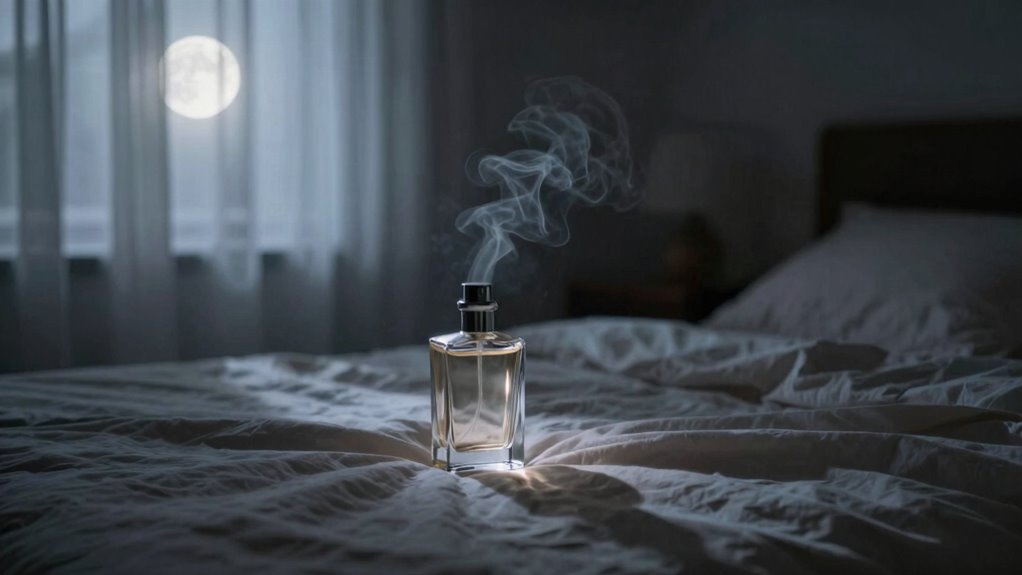
Have you ever noticed how strong fragrances can interfere with your sleep? It’s more common than you might think. When you surround yourself with heavy perfumes, scented candles, or air fresheners, you may believe you’re creating a calming environment. But in reality, these fragrances can quietly backfire, disrupting your sleep instead of promoting it. The problem lies in how your body reacts to overpowering scents. Instead of relaxing, your mind can become alert, making it harder to fall asleep or stay asleep through the night. This sleep disruption can leave you feeling groggy and unrested the next day, even if you don’t realize the cause is linked to your nighttime environment.
One major issue with excessive fragrance in your bedroom is the potential for allergic reactions. Many scented products contain chemicals that can irritate your respiratory system. If you have sensitivities, these fragrances might trigger sneezing, coughing, or congestion. Over time, these allergic reactions can worsen, leading to more persistent breathing issues that interfere with restful sleep. You might wake up multiple times during the night, trying to clear your throat or breathe more easily, which fragments your sleep cycle. This constant disruption prevents your body from entering the deeper, restorative stages of sleep that are essential for feeling refreshed in the morning.
Excessive fragrances can trigger allergies, disrupt breathing, and fragment sleep, preventing deep, restorative rest.
Moreover, the chemicals in heavily scented products can also cause sleep disturbances through other mechanisms. They can irritate your skin if you’re sensitive, leading to discomfort that distracts you from falling asleep. Some fragrances contain volatile organic compounds (VOCs) that can affect your nervous system, making it harder for your brain to relax. The more you expose yourself to these strong scents, the more your body gets accustomed to heightened alertness, defeating the purpose of creating a peaceful sleep environment. Additionally, microplastics in dust can carry chemical residues from scented products, further impacting indoor air quality and your health. Incorporating awareness of indoor air quality can help you better manage your sleep environment. It’s important to be mindful of how chemical residues from scented products can accumulate over time, subtly affecting your overall health and sleep quality. Being mindful of airborne chemicals in your home can contribute to a healthier sleep environment and better overall well-being. Recognizing the impact of indoor pollutants is essential for creating a truly relaxing space conducive to restful sleep.
To avoid these pitfalls, you should consider reducing or eliminating the use of heavily fragrant products before bed. Opt for unscented or naturally scented items, like pure lavender essential oil in a diffuser—used sparingly, as even natural scents can be overwhelming for some. Keeping your bedroom well-ventilated can also help diminish lingering odors and reduce the risk of sleep disruption caused by chemical sensitivities. Remember, what’s intended to soothe might actually do the opposite if you’re overly exposed. Prioritizing a calm, scent-free zone can improve your sleep quality and help you wake up feeling truly rested and refreshed.
As an affiliate, we earn on qualifying purchases.
Frequently Asked Questions
Can Fragrance Allergies Worsen With Nighttime Use?
Yes, fragrance allergies can worsen with nighttime use. When you use scented products at night, your fragrance sensitivity might increase due to prolonged exposure, making allergy triggers more reactive. This can lead to heightened symptoms like congestion or skin irritation. If you notice your allergies intensify after nighttime fragrance use, consider reducing or eliminating scented products before bed to help manage your allergy triggers effectively.
Are There Natural Alternatives to Synthetic Night Fragrances?
You can avoid synthetic scents by trying herbal infusions or aromatherapy blends. These natural options soothe your senses without the synthetic scent’s sting. Herbal infusions like chamomile or lavender tea can relax your mind, while aromatherapy blends with essential oils like eucalyptus or frankincense offer calming comforts. These natural alternatives promote peaceful sleep, helping you drift into dreams without the potential allergies or sensitivities often caused by artificial fragrances.
How Does Fragrance Interfere With Sleep Hormones?
Fragrance can interfere with your sleep hormones by disrupting your sleep cycle. When you breathe in strong scents, especially synthetic ones, they may trigger hormone disruption, making it harder for your body to produce melatonin—the hormone that signals sleep. This disturbance can delay sleep onset and reduce sleep quality. To promote better rest, opt for natural, scent-free environments or calming, natural fragrances that don’t interfere with your hormone balance.
Is There an Ideal Amount of Fragrance for Nighttime?
You should aim for a subtle fragrance, like a lightly scented lavender pillow spray, to optimize your sleep environment. In a case study, a person used a fragrance with moderate potency, which promoted relaxation without overstimulation. Too much fragrance, especially with high potency, can disrupt your sleep hormones. The ideal amount enhances your sleep environment without overwhelming your senses, helping you drift off peacefully and wake refreshed.
Can Fragrance Cause Respiratory Issues During Sleep?
Yes, fragrance can cause respiratory issues during sleep, especially if you have scent sensitivity. Aromatherapy effects are beneficial for relaxation, but strong scents or overuse can irritate your airways. If you notice coughing, congestion, or difficulty breathing, it’s best to reduce or eliminate fragrances in your bedroom. Pay attention to how your body reacts, and opt for gentle, natural scents to enjoy aromatherapy benefits safely during sleep.
As an affiliate, we earn on qualifying purchases.
Conclusion
If you love spritzing your favorite scent before bed, remember: overdoing it can backfire. Studies show that 60% of people experience headaches or disrupted sleep from overpowering fragrances. So, next time, opt for a subtle touch rather than a heavy spray. You’ll enjoy a more restful night and wake up refreshed. Sometimes, less truly is more—especially when it comes to fragrance. Keep it light, and let your natural scent shine through.
As an affiliate, we earn on qualifying purchases.
As an affiliate, we earn on qualifying purchases.
Columbus Day / Indigenous Peoples' Day Picks
long weekend sales
As an affiliate, we earn on qualifying purchases.